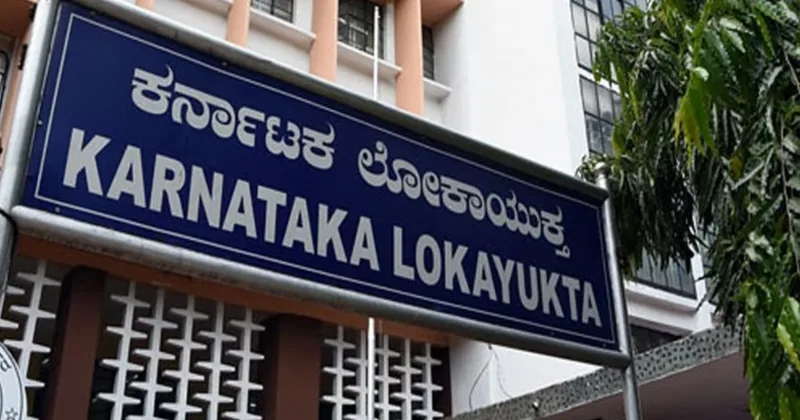
Bengaluru: The Karnataka government’s handling of corruption-related complaints against senior bureaucrats has come under sharp criticism after it emerged that sanction requests sought by the Lokayukta Police in dozens of cases have remained pending for years without a decision.
Documents available with the Lokayukta indicate that prior sanction to investigate as many as 84 officials in 22 separate cases is yet to be granted by various government departments. The list reportedly includes serving and retired IAS officers, KAS officers, BBMP officials, engineers, revenue department personnel, sub-registrars and other public servants facing allegations ranging from corruption and abuse of office to dereliction of duty and irregular land transactions.
The delay has raised serious concerns about the state’s commitment to fighting corruption. Anti-corruption activists argue that while governments frequently promise transparency and accountability, the prolonged pendency of sanction requests sends a completely different message. They contend that withholding approval for investigations effectively shields accused officials from scrutiny and weakens public confidence in governance.
Under Section 17A of the Prevention of Corruption Act, investigating agencies are required to obtain prior approval before proceeding against public servants for decisions taken in the course of official duties. While the provision was introduced as a safeguard against frivolous complaints, critics say it is increasingly being used as a bureaucratic shield that delays or stalls legitimate investigations.
What has particularly attracted criticism is the length of the delays. In several cases, Lokayukta Police reportedly submitted proposals seeking sanction as far back as 2020, 2021 and 2022. Despite repeated reminders, many files continue to remain pending before the competent authorities.
Among the cases awaiting approval are complaints involving former deputy commissioners, special deputy commissioners, tahsildars, BBMP officials, registration department officers and engineers. Records indicate that reminders were repeatedly sent to departments such as Revenue, Urban Development, Personnel and Administrative Reforms, Registration and other government agencies. Yet, decisions have remained elusive.
The situation has prompted questions about whether the government machinery is genuinely interested in allowing anti-corruption institutions to function independently. If allegations are baseless, critics argue, investigations would clear the names of the officers concerned. If there is substance to the complaints, the law should be allowed to take its course. In either case, indefinite delays serve neither justice nor administrative efficiency.
Observers point out that anti-corruption agencies can only be effective when they are allowed to complete investigations without undue administrative hurdles. When sanction requests remain buried in files for years, the very objective of creating institutions such as the Lokayukta comes into question.
The controversy has also put the spotlight on departmental accountability. Several reminders reportedly sent by the Lokayukta Registry and Lokayukta Police appear to have gone unanswered. Critics say this reflects a broader culture of bureaucratic indifference where files concerning allegations of misconduct are allowed to gather dust instead of being processed within a reasonable timeframe.
The issue assumes greater significance because many of the complaints involve matters related to public land, revenue administration, registration of properties and civic governance—areas that directly affect ordinary citizens. Delays in investigating such allegations can create an impression that powerful officials enjoy a different standard of accountability than the public.
Transparency advocates have repeatedly argued that sanction provisions should not become tools for protecting public servants from scrutiny. They maintain that governments have a responsibility to take timely decisions on requests received from investigating agencies. A sanction request can either be approved or rejected with reasons but keeping it pending indefinitely undermines the rule of law.
The Lokayukta itself has reportedly expressed concern over the delays and has written to senior government authorities highlighting the issue. The institution is understood to have warned that repeated inaction by competent authorities could encourage administrative misuse and weaken oversight mechanisms intended to curb corruption.
The developments have intensified criticism of the state’s anti-corruption record. Despite repeated claims of clean governance and zero tolerance for corruption, the government’s failure to dispose of long-pending sanction requests has provided ammunition to critics who accuse the administration of protecting influential officials.
With a new political leadership now taking charge of the state, there is growing demand for a comprehensive review of all pending sanction files. Civil society groups and anti-corruption campaigners are urging the government to take prompt decisions and ensure that investigations are not obstructed through procedural delays.