Expanding healthcare access in West Bengal, Chief Minister Suvendu Adhikari on May 30, announced that 1.36 crore families in the state will be brought under the Ayushman Bharat Pradhan Mantri Jan Arogya Yojana (PM-JAY), the Centre’s flagship health assurance scheme.
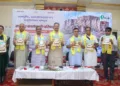
The announcement was made during the virtual inauguration of a newly constructed 100-bed ward at Kolkata’s SSKM Hospital, one of eastern India’s most prominent government medical institutions. The event marked not only an expansion of hospital infrastructure but also the beginning of a broader healthcare initiative aimed at improving medical facilities and reducing the financial burden of treatment on ordinary families.
Addressing healthcare professionals and officials, the Chief Minister said the state government is committed to strengthening public healthcare and ensuring that quality medical treatment reaches every section of society.
“We are going to implement the National Health Mission. We are bringing 1 crore 36 lakh families under Ayushman Bharat. We will recruit more doctors, nurses, technical and non-technical staff,” he said.
New 100-bed ward to improve patient care
The newly inaugurated ward at SSKM Hospital is expected to provide much-needed relief to patients seeking treatment at the busy healthcare facility.
SSKM Hospital, officially known as the Institute of Post Graduate Medical Education and Research (IPGMER), caters to thousands of patients every day from different districts of West Bengal as well as neighbouring states. Over the years, rising patient numbers have increased pressure on available beds and hospital resources.
The addition of 100 new beds is expected to ease congestion and improve patient accommodation, especially for those requiring specialised treatment. It is also expected to help reduce referral-related challenges that often arise when hospitals struggle with capacity constraints.
The Chief Minister said a dedicated team has already been formed to address referral issues and improve coordination among healthcare institutions.
For patients travelling long distances to Kolkata in search of treatment, the expansion is expected to make access to healthcare more convenient and efficient.
Ayushman Bharat coverage to benefit Millions
The biggest announcement of the day was the decision to extend Ayushman Bharat coverage to 1.36 crore families across West Bengal.
For many families, serious illness often results in significant financial hardship. The cost of surgeries, prolonged hospitalisation, cancer treatment and other specialised medical procedures can place enormous strain on household finances.
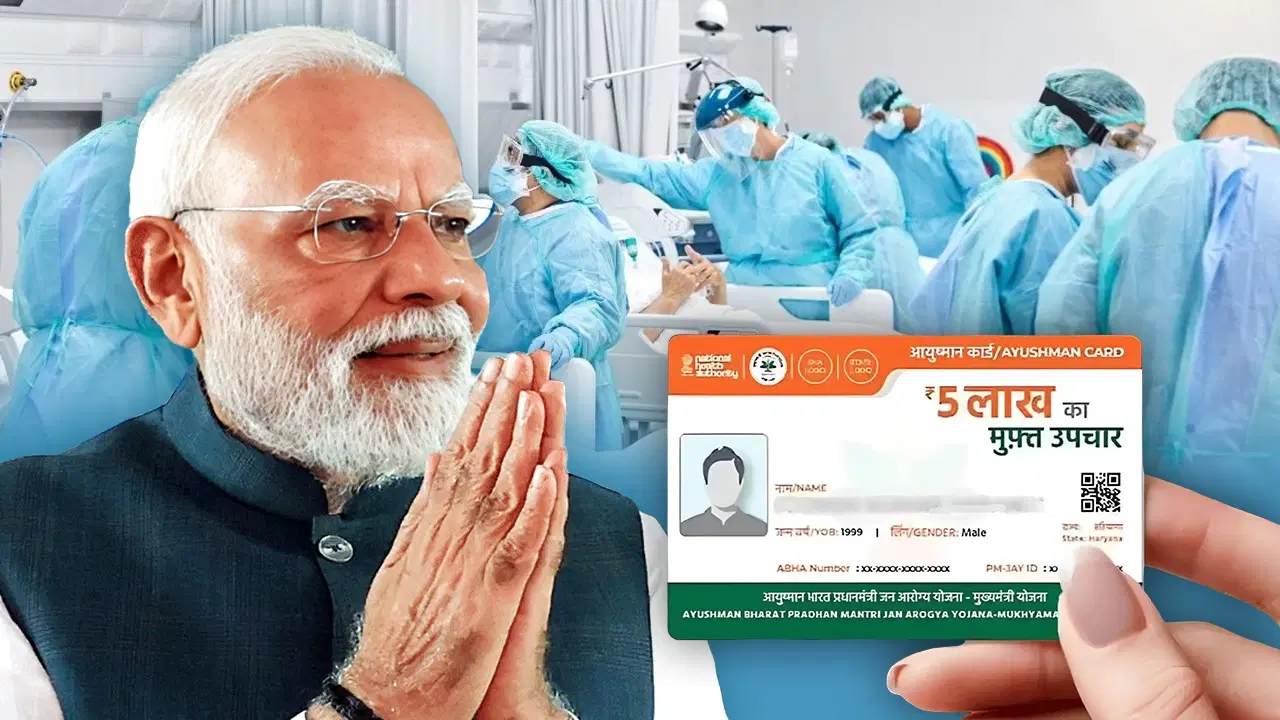
Ayushman Bharat seeks to address this challenge by providing health coverage of up to ₹5 lakh per family annually for secondary and tertiary healthcare services.
The scheme allows beneficiaries to receive cashless treatment at empanelled government and private hospitals, removing the need for families to arrange large sums of money during medical emergencies.
The expansion of the scheme in West Bengal is expected to provide financial security to millions of families who might otherwise struggle to afford advanced healthcare services.
Understanding the Ayushman Bharat scheme
Launched in September 2018, Ayushman Bharat Pradhan Mantri Jan Arogya Yojana is regarded as one of the world’s largest publicly funded healthcare programmes.
The scheme was designed to protect economically vulnerable families from catastrophic healthcare expenses. It covers a wide range of medical procedures and treatments, including surgeries, critical illnesses and specialised care.
One of the most important features of the scheme is that beneficiaries can avail treatment anywhere in the country at empanelled hospitals. This portability allows patients to seek care outside their home state whenever required.
The scheme also covers pre-existing diseases from the very first day of enrolment, ensuring that beneficiaries do not have to wait for coverage to begin.
In addition to hospitalisation costs, the programme includes certain pre-hospitalisation and post-hospitalisation expenses, helping families manage the overall cost of treatment.
Over the years, Ayushman Bharat has helped millions of Indians access medical care that would otherwise have been beyond their financial reach.
Strengthening healthcare infrastructure
The Chief Minister used the occasion to outline a wider roadmap for improving healthcare services in West Bengal.
Apart from expanding insurance coverage, the government plans to recruit additional doctors, nurses, technicians and support staff to strengthen healthcare delivery across the state.
Shortages of medical personnel have long been a challenge for many healthcare institutions. Additional recruitment is expected to improve patient care and reduce the workload on existing staff.
The government also intends to improve healthcare facilities at district hospitals, block-level health centres and rural medical institutions so that people can access quality treatment closer to their homes.
Officials believe that investments in both infrastructure and human resources will be essential for creating a stronger healthcare system capable of meeting the needs of a growing population.
Vaccination drive completed in three weeks
During the programme, Adhikari also highlighted the successful completion of a recent vaccination drive conducted across the state.
According to the Chief Minister, the Union Health Ministry supplied 7,72,750 vaccine doses for the campaign. The vaccination effort was carried out across 235 healthcare institutions, including hospitals, health centres, block hospitals and rural healthcare facilities.
He said the entire exercise was completed within three weeks, demonstrating effective coordination among healthcare workers and administrators.
The campaign was presented as an example of the state’s ability to implement large-scale public health initiatives efficiently and within a limited timeframe.
Private hospitals to reserve beds for poor patients
The Chief Minister also announced measures aimed at improving access to healthcare for economically weaker sections.
He said private hospitals that received government land at highly concessional rates would be required to reserve 15 per cent of their beds for poor patients.
The decision is intended to ensure that public resources used to support private healthcare institutions ultimately benefit vulnerable sections of society.
For many patients who require specialised treatment available only in private hospitals, such a provision could improve access to quality healthcare without imposing heavy financial burdens.
Hospitals to be rebranded as ‘Ayushman Mandir’
As part of the broader healthcare initiative, the government plans to introduce a new identity for state-run healthcare facilities under the name “Ayushman Mandir.”
The initiative seeks to create a common healthcare identity across the state while reinforcing the focus on accessible and affordable medical services.
Officials believe the new branding will reflect the government’s commitment to healthcare as a public service dedicated to healing and patient welfare.
Looking beyond immediate healthcare reforms, the Chief Minister also announced plans for an AIIMS-like medical institution in North Bengal.
Residents of North Bengal often have to travel long distances for highly specialised treatment available only in major urban centres. A world-class medical institution in the region could significantly improve access to advanced healthcare services.
The government has begun identifying suitable land for the proposed project, which is expected to strengthen medical education, research and specialised healthcare services in the region.
If realised, the institution could become a major healthcare hub for North Bengal and neighbouring areas.
Why West Bengal stayed out of Ayushman Bharat for years
One of the most important aspects of the Ayushman Bharat rollout in West Bengal is that the state remained outside the scheme for nearly seven years under the previous government led by Chief Minister Mamata Banerjee.
In 2019, the state government withdrew from the Ayushman Bharat Pradhan Mantri Jan Arogya Yojana and continued with its own health insurance programme, Swasthya Sathi. At the time, the state government argued that Swasthya Sathi offered broader coverage and allowed West Bengal to retain control over beneficiary databases, hospital empanelment and scheme administration.
The state government also objected to the branding of the central scheme and maintained that its own healthcare programme was better suited to Bengal’s requirements.
As a result, millions of eligible families in West Bengal could not avail the benefits of Ayushman Bharat that were available to beneficiaries in most other states. This meant that patients in Bengal were unable to access the scheme’s nationwide network of empanelled hospitals and its portability benefits, which allow beneficiaries to receive cashless treatment outside their home state.
With the new government deciding to implement Ayushman Bharat, 1.36 crore families are now expected to receive coverage under the national health assurance programme. The move marks a major policy shift and aligns West Bengal with the healthcare scheme already operating across most of the country.
A new direction for healthcare in Bengal
The inauguration of the new ward at SSKM Hospital and the announcement of Ayushman Bharat coverage for 1.36 crore families signal an ambitious effort to expand healthcare access across West Bengal.
For ordinary families, especially those facing financial difficulties, affordable healthcare can make a life-changing difference. Medical emergencies often arrive without warning, and access to quality treatment can determine both health outcomes and financial stability.
By expanding insurance coverage, increasing hospital capacity, recruiting healthcare workers and planning new medical institutions, the state government aims to build a stronger healthcare system capable of serving people across urban and rural areas alike.
As these initiatives move from announcement to implementation, millions of families across West Bengal are expected to benefit from improved access to healthcare, greater financial protection and a more robust public health infrastructure.