Printing and circulating counterfeit currency notes is not only a criminal offence but also a serious anti-national activity. The recent counterfeit currency racket busted in Coimbatore has once again drawn attention to the city’s long history of fake currency operations and its past links with extremist and terror-related cases.
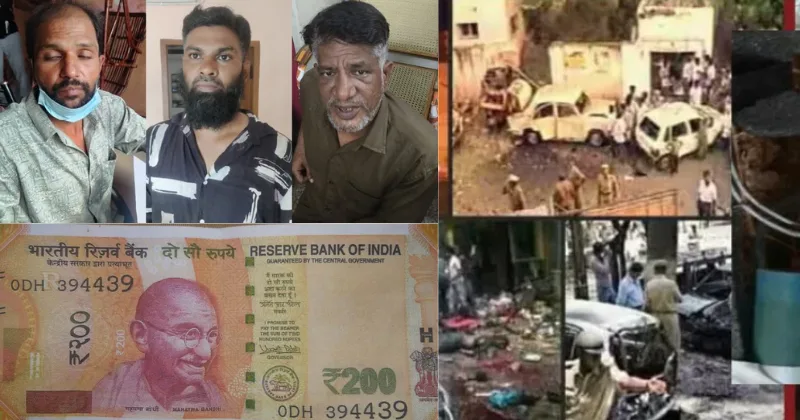
Significantly, one of the accused arrested in the present case, Hakkim of Karumbukkadai Bismi Nagar, was an accused in the 1998 Coimbatore serial bomb blasts case and had been convicted in connection with the conspiracy aimed at assassinating former Deputy Prime Minister LK Advani.
Investigators suspect that he played a key role in the counterfeit currency network, raising fresh concerns over the continued involvement of former terror accused in organised criminal activities linked to fake currency and narcotics circulation.
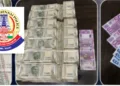
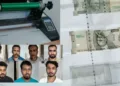
On May 17, the Tamil Nadu Police busted a four-member gang in Coimbatore involved in printing and circulating counterfeit currency notes. The police seized fake notes with a face value of Rs. 36,000, along with printing equipment and illegal narcotic substances from the accused.
According to reports, acting on a tip-off and suspicion, a police team conducted a surprise check at the residence of Saddam Hussain (28) in the Kurichi Housing Board area of Sundarapuram, Coimbatore.
During the operation, his associate Faisel (37) was also detained. The police recovered counterfeit currency notes worth Rs. 36,000 and illegal drugs from their possession.
Further interrogation revealed that another accused, Hakkim (51), had allegedly helped the duo procure a printing machine used for producing the fake notes. He was subsequently arrested by the police.
During raids led by Deputy Commissioner of Police (South) K. Karthikeyan, the police also recovered potent drug pills, methamphetamine, and counterfeit Rs. 200 currency notes from Saddam Hussain’s residence, where he reportedly operated a plant nursery business.
The prime suspect, Sahabudeen, is currently absconding, and police have launched efforts to trace and arrest him.
Sadham Hussain and Faisal were arrested for printing and circulating fake 200 rupee notes in Coimbatore, Tamil Nadu.
Kaja Mohideen (Coimbatore bomb blast convict) supplied the printer to them.
Police seized notes worth Rs 36,800; case registered. pic.twitter.com/LwsTAqe5MF
— Angry Saffron (@AngrySaffron) May 19, 2026
It is pertinent to mention that Karumbukkadai Bismi Nagar resident Hakkim was the 64th accused in the 1998 Coimbatore serial blasts case and was convicted in connection with the offence. It has now come to light that Hakkim was allegedly the mastermind behind the counterfeit currency network and its operations. After coming out of jail, Hakkim allegedly continued to engage in anti-social activities. Police are probing whether the gang had any links with terrorist outfits or whether the counterfeit notes were intended to increase circulation during Assembly elections to meet poll-related expenses.
Reacting to the arrests, Hindu Munnani, in a statement, said that Hakkim, one of the accused in the Coimbatore serial blasts case, was involved in counterfeit currency printing and circulation, as well as drug smuggling and peddling activities. The organisation urged the police and intelligence agencies to maintain close surveillance on the movements and activities of serial bomb blast accused who have been released after completing their sentences or enlarged on bail.
கோவையில் கள்ள நோட்டு புழக்கம்!
குண்டு வெடிப்பு கைதிகளின் விபரீதம்!!கோவை – சுந்தராபுரத்தில் கள்ள நோட்டு அச்சடித்ததாக சதாம் உசேன் பைசல் ஹக்கீம் ஆகிய மூவரை காவல்துறை கைது செய்துள்ளது. மேலும் காஜா மொய்தின் என்பவர் அச்சு இயந்திரம் வாங்கி கொடுத்ததாக அவரிடமும் விசாரணை நடைபெற்று… pic.twitter.com/ApaxWcUzZb
— Hindu Munnani (@hindumunnani_tn) May 18, 2026
This is not the first time counterfeit currency gangs have been arrested in Tamil Nadu.
In June 2025, police busted a major fake currency racket operating from Sarathambal Nagar near Karumathampatti, on the outskirts of Sulur in Coimbatore district. One person was arrested, while four others, including the alleged mastermind, remained absconding. During raids at their rented house, police recovered four large bundles of fake currency notes, scanners, laptops, note-counting machines, and stacks of Aadhaar cards and documents linked to multiple states, including Tamil Nadu and Karnataka.
Earlier, five individuals were arrested by the Town Police for circulating counterfeit Rs. 500 notes across multiple towns, including Walajah and Arcot.
In another incident, five men were intercepted on the Dindigul-Madurai National Highway with counterfeit Rs. 100 notes worth Rs. 26,000 and a colour Xerox machine.
In a separate operation, three men from Tirunelveli were arrested in Bengaluru while allegedly running a scam to cheat traders by offering fake currency in exchange for genuine money.
In June 2018, a counterfeit currency printing unit was unearthed in Coimbatore, and 6,000 fake notes with a face value of Rs. 1 crore were seized. One person was arrested in connection with the case. Police had intercepted a youth carrying a large number of Rs. 2,000 notes on his two-wheeler during a vehicle inspection, and the seized notes were valued at around Rs. 83 lakh.
According to The Madras Police Journal, in the 1960s, R.N. Krishnaswamy (DSP-CID) investigated a counterfeit currency racket that originated in Coimbatore and succeeded in securing the arrest and conviction of the accused with watertight evidence. A Special Sessions Judge appointed by the government completed the trial in less than 80 days after the exhibits were filed. The depositions recorded in open court reportedly ran to more than 3,000 typed pages.
On July 27, 1960, the Special Judge convicted eight principal accused, including textile mill magnate Krishnan and Sub-Inspector Padmanabhan, sentencing them to ten years of rigorous imprisonment. On appeal in August 1962, the Madras High Court upheld the judgement but reduced the sentences to seven years of rigorous imprisonment.
Coimbatore has long been notorious for counterfeit currency printing, circulation, and money-doubling racket scams since the late 1950s.