New Delhi: As vast parts of India continue to battle severe heatwave conditions, the country’s electricity consumption has surged to unprecedented levels this summer, driven by massive use of air conditioners, coolers, fans and other cooling appliances. Despite the extraordinary rise in demand, India successfully met a record peak power demand of 260.45 GW on May 19, marking a new milestone for the national power grid.
The Ministry of Power confirmed the achievement in a statement posted on X, stating that the peak power demand of 260.45 GW during solar hours was successfully met at 3:40 pm. The ministry noted that the figure surpassed the previous day’s record peak demand of 257.37 GW, which had also been successfully handled without major disruptions.
The sharp rise in electricity demand comes as temperatures continue soaring across northern, central and western India, with mercury levels crossing 45 degrees Celsius in several states. The intense heat has significantly increased daytime cooling requirements, resulting in a steep jump in electricity consumption.
Delhi too recorded its highest power demand of the ongoing summer season on Tuesday. According to data from the State Load Dispatch Centre (SLDC), the national capital’s peak electricity demand touched 7,776 MW at around 3:30 pm, reflecting the growing pressure on urban power infrastructure amid the heatwave.
India’s current peak demand is substantially higher than the combined electricity requirement of many neighbouring South Asian countries. Pakistan’s peak load stands at approximately 28.3 GW, Bangladesh at 16.5 GW, Sri Lanka at 3 GW, Nepal at 2.2 GW, Bhutan at 1.2 GW and Afghanistan at 0.8 GW. Collectively, these countries account for nearly 52 GW of peak electricity demand, meaning India’s grid is currently managing more than five times the instantaneous load of its regional neighbours combined.
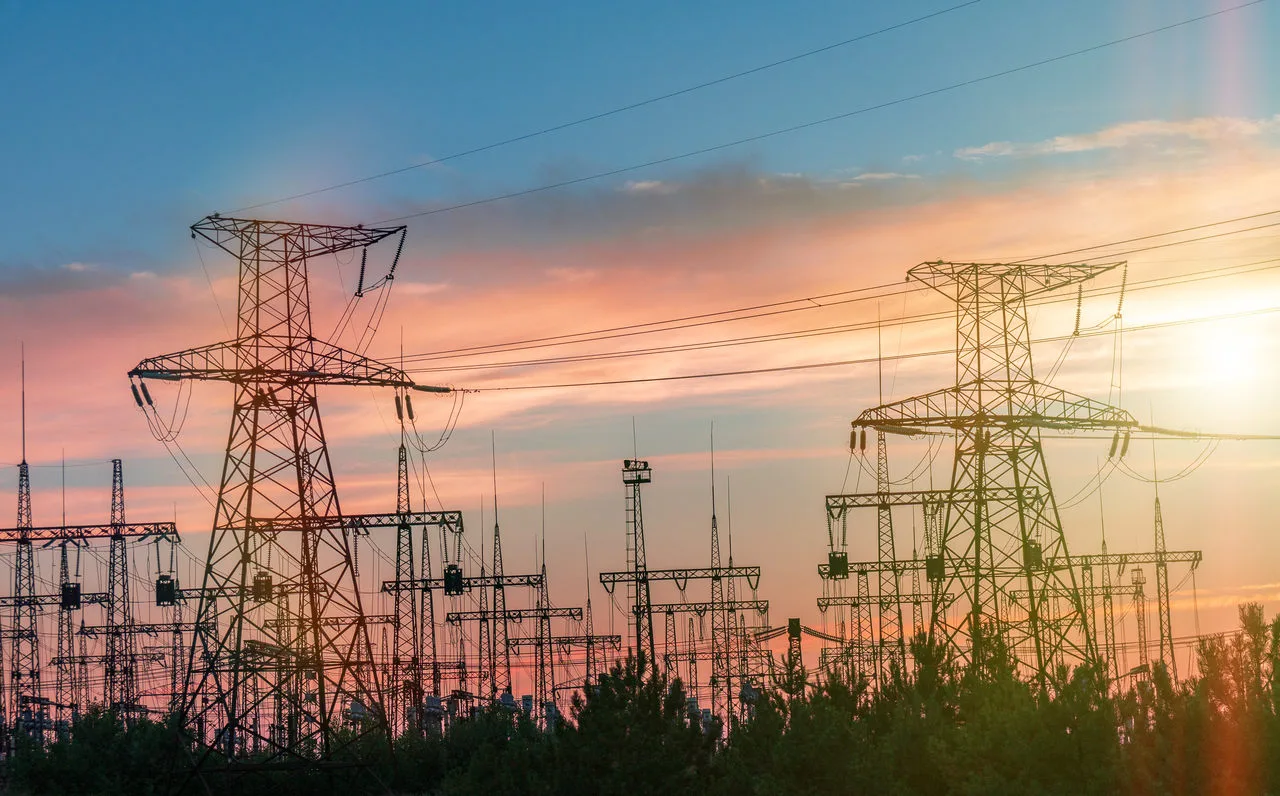
Officials attributed the successful management of record demand to extensive advance planning, coordinated grid operations and optimal utilisation of available generation resources. The government said the surge was managed through resource adequacy planning, efficient scheduling and real-time coordination among the National Load Dispatch Centre (NLDC), Regional Load Dispatch Centres (RLDCs), State Load Dispatch Centres (SLDCs), power generation companies and transmission operators.
Efficient utilisation of transmission corridors and seamless grid coordination reportedly ensured uninterrupted supply despite rising stress on the electricity network.
At the time of peak demand, India relied on a diversified energy mix including thermal, hydro, nuclear, gas, wind, solar and storage-based generation to maintain grid stability. Thermal power remained the backbone of electricity supply during high-demand periods.
When India earlier recorded its then all-time highest peak demand of 256.1 GW on April 25, 2026, thermal power contributed nearly 174,565 MW, accounting for around 67 per cent of total electricity generation. Solar energy emerged as the second-largest contributor, generating 56,204 MW and contributing more than 21 per cent of the national supply during peak hours.
Hydropower added 11,422 MW to the grid, while wind energy contributed 4,897 MW. Nuclear power plants supplied 6,293 MW, accounting for around 2.4 per cent of the electricity mix, while gas-based power plants generated 5,205 MW.
Storage systems, including Pumped Storage Projects (PSP) and Battery Energy Storage Systems (BESS), also played a supporting role by supplying 201 MW during peak conditions. Other generation sources together added 2,110 MW to the national grid.
Power sector officials said India’s diversified generation portfolio, expanding renewable energy capacity and improved grid management systems helped the country successfully meet record electricity demand without major outages during one of the harshest summer seasons in recent years.