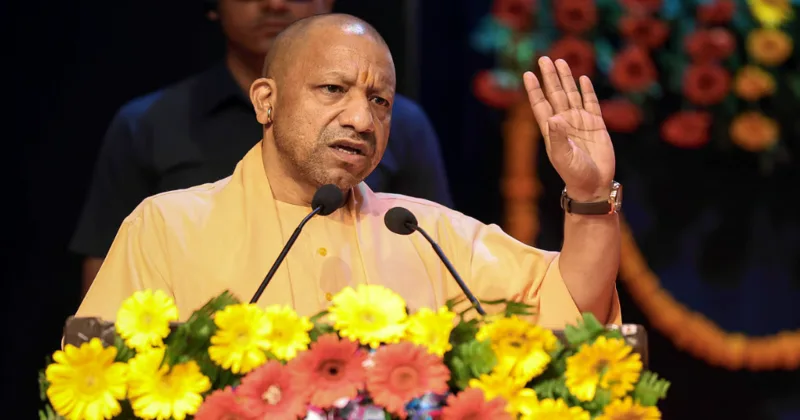
In order to accelerate Uttar Pradesh’s infrastructure and industrial growth, Chief Minister Yogi Adityanath has directed the officials to expedite key development projects in “mission mode.” Chairing a meeting of the State Transformation Commission (STC), the Chief Minister laid emphasis on the need for the timely execution of expressways, industrial parks, logistics hubs, and urban infrastructure projects, and called them critical pillars of UP’s economic transformation. The meeting, held in Lucknow, focused on reviewing the progress of major ongoing infrastructure initiatives across Uttar Pradesh. CM Yogi made it extremely clear that any procedural bottlenecks that are hindering project timelines must be removed immediately. He instructed the departments to adopt a proactive and solution-oriented approach and ensure that all projects do not suffer merely due to administrative delays or coordination gaps.
One of the central themes of the meeting was the rapid development of Uttar Pradesh’s expanding expressway network, which is increasingly being seen as a backbone for economic connectivity and regional development. Reviewing projects such as the Chitrakoot Link, Farrukhabad Link, and Jewar Link Expressways, Chief Minister Yogi asked for the detailed updates from district magistrates regarding land acquisition and progress on the ground.
He set a clear deadline, directing officials to ensure at least 90 per cent land availability for these expressway projects by May 31. This directive shows the urgency with which the government is approaching infrastructure expansion, particularly in regions that are expected to benefit from improved connectivity.
The Chief Minister also stressed the importance of fair and transparent land acquisition practices. He directed the officials to maintain direct communication with landowners and ensure that compensation is provided promptly and at appropriate rates. CM Yogi also instructed that any proposals for revising compensation rates should be submitted without delay. In addition to the ongoing projects, the Chief Minister Yogi called for expediting work on other key expressways, including the Agra-Lucknow-Purvanchal Link, Jhansi Link, and the proposed Meerut-Haridwar Expressway. These projects are expected to enhance connectivity not just within Uttar Pradesh but also with neighbouring states, which will indirectly strengthen UP’s position as a major logistics and transportation hub.
A key announcement in the meeting was that a unit of Bharat Electronics Limited will soon be set up in the Chitrakoot node of the Defence Corridor. This is expected to boost defence manufacturing in the state, bring in investment, and create jobs in the Bundelkhand region.
UP CM Yogi gave instructions that the financial tendering process for the Chitrakoot Link Expressway be completed before the foundation stone of the Bharat Electronics unit is laid. The Defence Corridor is expected to boost industrial growth and make Uttar Pradesh a strong player in defence production. The upcoming unit of Bharat Electronics Limited will further support this by bringing advanced manufacturing to the region.
The meeting also highlighted the progress of logistics infrastructure projects, particularly the Multi-Modal Logistic Hub and Multi-Modal Transport Hub being developed in Greater Noida. The Chief Minister described these projects as “game-changers” that will integrate Uttar Pradesh with national and global supply chains.
Officials informed that out of the 323 hectares required for the Multi-Modal Logistic Hub, 301 hectares have already been acquired. This progress shows that the project is on track and is likely to play a transformative role in streamlining logistics operations in Uttar Pradesh. By facilitating seamless movement of goods across different modes of transport: road, rail, and air, these hubs are expected to reduce logistics costs, improve efficiency, and attract investments from both domestic and international players.
Urban development projects also received attention during the meeting. The Uttar Pradesh Chief Minister was informed that the Letter of Award (LoA) for the construction of a proposed world-class convention centre in Lucknow has been issued. He directed officials to begin preparations for the foundation-laying ceremony, indicating that the project will soon move to the execution phase. The convention centre is expected to elevate Lucknow’s profile as a destination for international events, conferences, and exhibitions. It will also contribute to the city’s economic growth by boosting the tourism and hospitality sectors.
To accelerate industrial development, the Chief Minister emphasised the need for early implementation of Model Building Bylaws, making them more investment-friendly. Officials informed that the draft bylaws have already been released for public suggestions, ensuring transparency and stakeholder participation in the policy-making process.
The Chief Minister stressed that industries must be established on allotted land within the stipulated time frame. He called for regular dialogue with investors to address their concerns and ensure that projects move forward without unnecessary delays.
The meeting also reviewed the progress of the proposed Seed Park and Textile Park projects in Lucknow, which are expected to emerge as major centres of agricultural and industrial development. Officials informed that the process of selecting developers for these projects is being expedited. These parks are envisioned as integrated hubs that will support value addition, innovation, and employment generation.
Another key initiative discussed during the meeting was the Green Road Infrastructure Development Scheme. The Chief Minister highlighted the importance of this scheme in modernising urban roads and making them smoother and more sustainable. The scheme is aligned with the broader vision of developing environmentally friendly infrastructure that enhances urban mobility while minimising ecological impact. By focusing on quality and sustainability, the government aims to improve the overall quality of life in urban areas.
By setting deadlines, emphasising accountability, and prioritising coordination among departments, the UP government is aiming to ensure that projects are completed on time and deliver the intended benefits. The Chief Minister’s focus on removing procedural obstacles and maintaining direct communication with stakeholders indicates a hands-on approach to governance. This is particularly important in large-scale infrastructure projects, where delays can significantly impact costs and outcomes.