





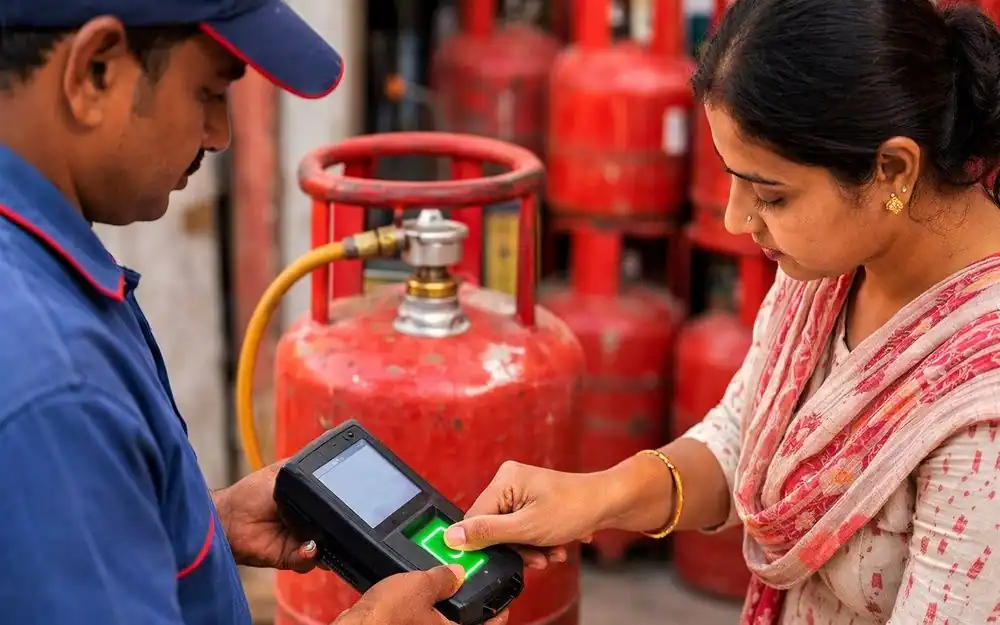
A reform aimed at tightening India’s domestic cooking gas distribution system, a new set of LPG rules has come into effect from May 1, 2026. Introduced by the Ministry of Petroleum and Natural Gas, these changes are expected to directly impact millions of households across the country, altering how LPG cylinders are booked, delivered and monitored.
The government has positioned these reforms as a step towards enhancing transparency, preventing misuse and ensuring that subsidies and benefits reach the intended beneficiaries. The move also comes against the backdrop of global energy uncertainties, particularly due to ongoing geopolitical tensions in West Asia, which have prompted a reassessment of supply chains and resource management.
For consumers, however, the changes mark a shift towards stricter compliance and verification processes in day-to-day LPG usage.
Booking interval increased for urban and rural consumers
One of the most noticeable changes is the extension of the minimum gap between two LPG cylinder bookings. Consumers in urban areas will now have to wait at least 25 days before booking their next cylinder, compared to the earlier limit of 21 days. In rural areas, this waiting period can stretch up to 45 days, depending on local supply conditions and distribution patterns.
Officials say that this step is designed to prevent overbooking and hoarding, ensuring a more equitable distribution of cylinders. The system has been automated to block any booking requests made before the completion of the mandated waiting period.
While the government argues that the change will improve efficiency and fairness, some consumers may find the longer waiting period inconvenient, especially in larger households where gas consumption is higher.
OTP-based delivery system now mandatory
In a major push towards digitisation and accountability, the government has made OTP-based delivery verification compulsory for all LPG cylinder deliveries. Known as the Delivery Authentication Code (DAC) system, this process requires consumers to share a one-time password received on their registered mobile number with the delivery agent at the time of receiving the cylinder.
This effectively eliminates the earlier practice of verifying delivery through physical documents such as the blue consumer booklet or paper receipts. The new system ensures that cylinders are delivered only to the registered consumer, reducing the chances of diversion, fraud or unauthorised deliveries.
Authorities believe that this move will significantly enhance transparency in the last-mile delivery process. However, it also places greater responsibility on consumers to ensure that their mobile numbers are updated and accessible at the time of delivery.
Aadhaar-based e-KYC made essential for Ujjwala beneficiaries
The government has also tightened compliance requirements under the Pradhan Mantri Ujjwala Yojana, which provides subsidised LPG connections to economically weaker households. Under the new rules, Aadhaar-based e-KYC has been made mandatory for all beneficiaries who have not yet completed the process.
Officials have clarified that those who have already submitted their e-KYC details will not be affected. However, beneficiaries who fail to complete the verification may face disruptions in service or suspension of benefits.
The move is aimed at eliminating duplicate or ineligible beneficiaries from the system, ensuring that subsidies are directed only to genuine users. It also aligns with the broader push for Aadhaar-linked service delivery across government schemes.
Dual LPG and PNG connections no longer allowed
To curb misuse, the government has banned households from holding both LPG and piped natural gas (PNG) connections simultaneously. Consumers who currently have access to PNG will be required to surrender their LPG connections.
Oil marketing companies and distributors have been instructed to enforce this rule strictly, and no further LPG cylinders will be supplied to households found violating the directive.
The rationale behind this decision is to prevent unnecessary duplication of resources and to ensure that LPG cylinders are available for households that do not have access to alternative fuel sources. By eliminating dual connections, the government aims to optimise supply and reduce wastage.
Taken together, these measures reflect a broader attempt by the government to streamline the LPG distribution system and plug existing loopholes. By introducing digital verification, restricting excessive usage and tightening eligibility criteria, the authorities are seeking to create a more efficient and accountable framework.
The reforms also indicate a shift towards data-driven governance, where consumer behaviour is monitored and regulated through automated systems. This is expected to reduce leakages and improve the overall reliability of LPG supply across the country.
Impact on consumers and way forward
For consumers, the new rules will require a period of adjustment. Ensuring timely bookings, maintaining updated mobile records and completing e-KYC formalities will become essential to avoid disruptions.
While the measures may initially appear restrictive, the government maintains that they are necessary to safeguard resources and maintain fairness in distribution. In the long run, these changes could lead to a more robust and transparent LPG ecosystem.
As the new rules begin to take effect, their success will largely depend on smooth implementation and consumer awareness. Whether they achieve the intended balance between efficiency and convenience remains to be seen, but there is little doubt that India’s LPG landscape is entering a more regulated and digitised phase.









