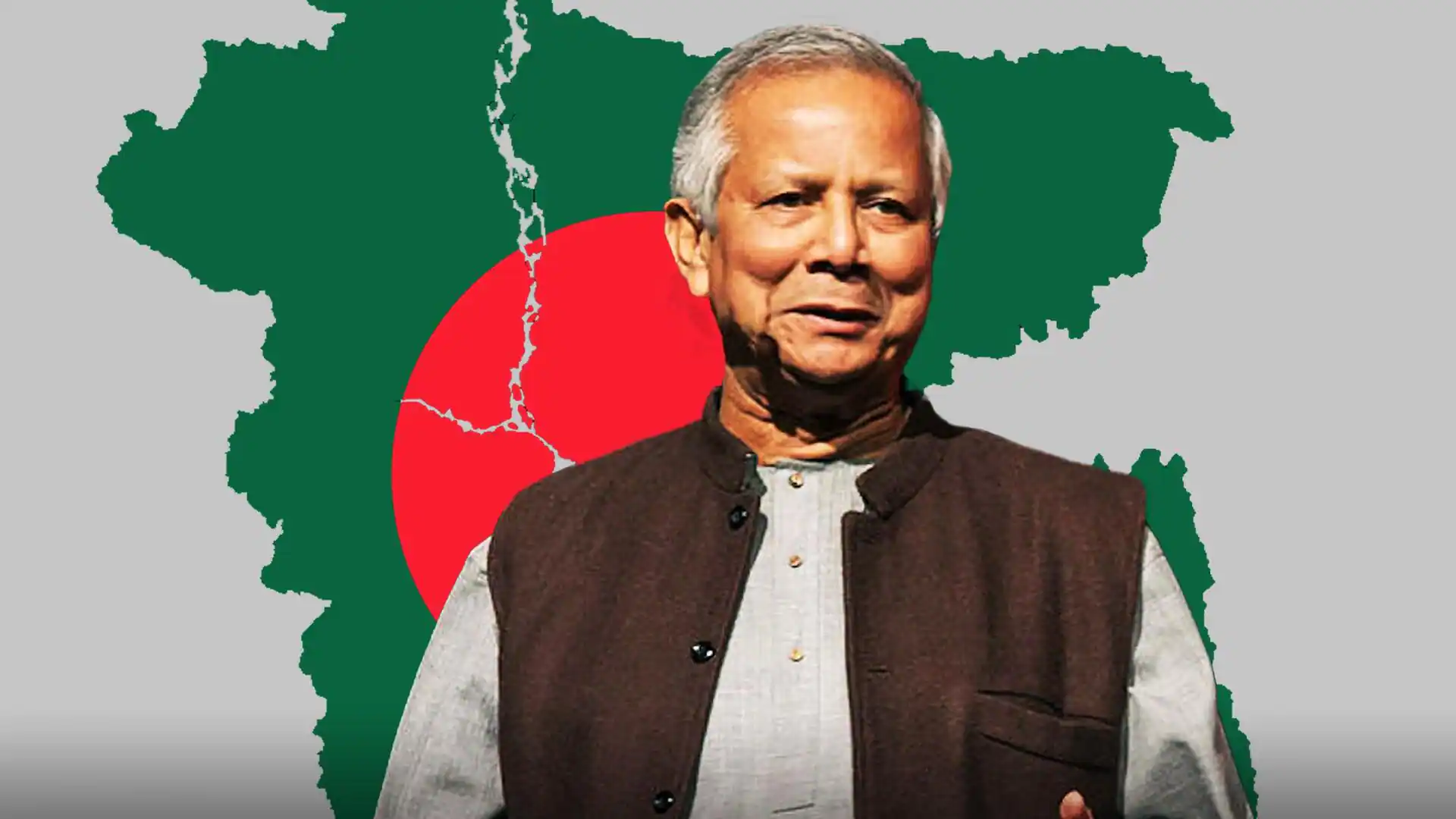
Bangladesh is grappling with a deadly measles outbreak that has killed over 250 people, predominantly children, amid growing scrutiny of policy decisions taken under the interim administration led by Muhammad Yunus. International reports have pointed to a severe vaccine shortage, triggered by controversial changes in procurement rules during his tenure.
According to the World Health Organisation (WHO), between mid-March and mid-April 2026 alone, Bangladesh recorded over 19,000 suspected measles cases across 58 of its 64 districts, with at least 166 confirmed deaths.
However, subsequent estimates cited by international research publications indicate that the outbreak has escalated further, with nearly 32,000 cases and over 250 fatalities reported nationwide.
Children worst hit as virus spreads rapidly
The outbreak has disproportionately affected young children, exposing alarming gaps in immunisation coverage. WHO data shows that nearly 79 per cent of reported cases involve children under the age of five, with those under two years forming the most vulnerable segment. Infants below nine months account for a significant share, highlighting the deadly consequences of missed or delayed vaccinations.
Major urban centres such as Dhaka, Rajshahi, Chattogram, and Khulna have emerged as hotspots. In the capital Dhaka, the virus has spread rapidly through densely populated informal settlements like Kamrangirchar, Korail, and Mirpur, where overcrowding and poor sanitation have accelerated transmission.
Policy shift under Yunus
At the heart of the crisis lies a controversial policy shift introduced in September 2025 under the Yunus-led interim government. The administration reportedly halted vaccine procurement through global agencies like UNICEF and Gavi, the Vaccine Alliance, opting instead for an open tender system.
This decision, experts argue, disrupted established supply chains and led to critical delays in vaccine availability. UNICEF had reportedly cautioned the government against such a move, warning that it could jeopardise timely access to life-saving vaccines. Despite these warnings, the policy shift went ahead.
The consequences soon became evident. Immunisation coverage reportedly dropped sharply, with only around 59 per cent of eligible children receiving measles vaccines in 2025, far below the threshold required to prevent outbreaks. The resulting immunity gap created fertile ground for the virus to spread unchecked.
Denials, contradictions, and mounting criticism
Even as evidence mounted, officials linked to the Yunus administration issued conflicting statements. Sayedur Rahman, a former special assistant in the Ministry of Health, denied that any changes in procurement policy had contributed to the outbreak.
However, in earlier remarks, he had defended the shift away from UNICEF procurement, calling it a move towards a “rule-based system.” Critics argue that such experimentation with critical health infrastructure, especially without robust safeguards, proved disastrous.
The contradiction between official denials and documented policy changes has intensified criticism of the Yunus administration, with public health experts questioning the judgment behind altering a functioning vaccine supply mechanism during a vulnerable period.
The outbreak comes against the backdrop of political upheaval in Bangladesh. Sheikh Hasina was ousted following mass protests in 2024, paving the way for Yunus’ interim leadership. Subsequent elections in early 2026 brought Tarique Rahman and the Bangladesh Nationalist Party to power.
The new government has since moved quickly to contain the crisis. Procurement rules have reportedly been reverted, and emergency vaccine supplies have been secured through UNICEF. A nationwide mass vaccination drive launched in early April has already covered over two crore children.
Addressing Parliament, Prime Minister Tarique Rahman acknowledged the severity of the shortage and squarely blamed both the previous Hasina government and the interim Yunus administration for policy failures that contributed to the crisis.
Outbreak origin and regional risks
The outbreak is believed to have originated in Rohingya refugee camps near the Myanmar border, where vaccination coverage has historically been inconsistent. From there, the virus spread rapidly across districts, aided by gaps in immunisation and high population density.
The situation has also raised concerns for neighbouring countries, including India. WHO has warned that districts such as Jashore and Chapainawabganj, both major transit points with busy land crossings, pose a risk of cross-border transmission.
The Bangladesh measles outbreak has become more than just a health emergency, it is now a case study in how policy missteps can have devastating human consequences. The alleged link between procurement changes under Yunus and the subsequent vaccine shortage has sparked a broader debate on accountability, governance, and the risks of abrupt policy shifts in critical sectors.
For hundreds of families who have lost young children, these debates come too late. As Bangladesh struggles to contain the outbreak, the focus remains on preventing further deaths while ensuring that such a crisis is never repeated.