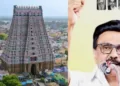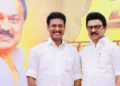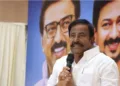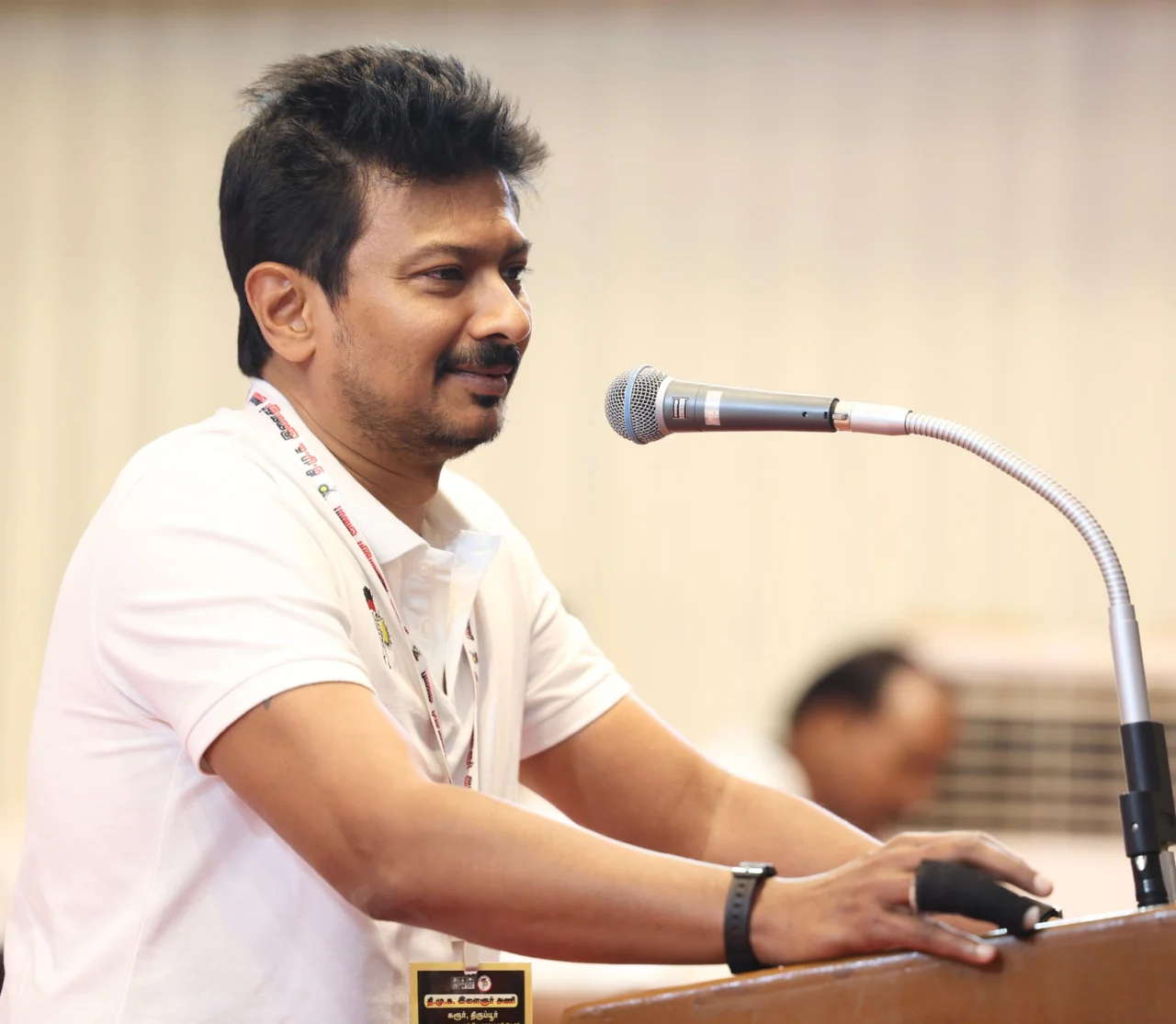
Amid the ongoing election campaign in Tamil Nadu, DMK leader and Minister Udhayanidhi Stalin has been actively visiting temples across constituencies, drawing both attention and criticism. His appearances at temples, participation in rituals, and interactions with archakas are being seen as part of a broader outreach strategy aimed at engaging Hindu voters during the crucial poll season.
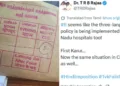
However, controversies have emerged over his conduct during these visits. In one such instance, immediately after a temple archaka applied sacred ash, Udhayanidhi Stalin was seen removing it with his towel, raising justified questions about the sincerity of these visits and whether they are purely symbolic gestures aimed at electoral gains.
He once said, ‘Sanatana Dharma is like a disease and should be eradicated from the face of the earth.’
This is Udhayanidhi Stalin for you. pic.twitter.com/Vq977AH6Uq— Usha (@mauna_adiga) April 6, 2026
In another temple visit, Udhayanidhi Stalin removed the vermilion applied by an archaka in a Goddess temple. It appears that he ensured there was no visible Hindu religious symbol on his forehead before leaving the premises.
DMK’s style of purchasing votes
Money
Watch
Samsung MobileIs your vote only worth this much? 🤯😱#TamilNaduElections https://t.co/Qh9Vbyp4wm pic.twitter.com/uIGMkjC9BR
— Tathvam-asi (@tathvamasi6) April 8, 2026
Come elections in Tamil Nadu, political parties that have historically opposed Sanatana Dharma, Hindu temple rituals and cultural practices are often seen visiting temples and filing nominations at auspicious times prescribed by Hindu pandits. Critics claim that such practices have become a recurring electoral strategy.
This election cycle appears no different, with similar patterns being observed across parties. While Muslim and Christian communities are often seen as voting along organised religious lines, analysts note that Hindu voters remain diverse in their choices, making outreach efforts more varied.
Late political satirist and Thuglak magazine editor Cho Ramaswamy is often cited as having remarked that if required to carry a Kavadi (a ceremonial offering to Bhagwan Murugan) to secure votes, DMK leaders including Karunanidhi and M.K. Stalin would do so.
Social media reactions have further intensified the debate. A post by Dr Praveen Vijayakumar highlighted Udhayanidhi Stalin’s past statements on Sanatana Dharma, contrasting them with his current temple visits.
Reports have also emerged of freebie hampers being distributed by DMK candidates in certain constituencies, despite monitoring by Election Commission flying squads and rival parties.
In Ramanathapuram, Udhayanidhi Stalin reportedly returned a Vel (spear) presented to him and instead accepted a small statue of Buddha, which also drew attention on social media.
உப்பு போட்டு
சோறு தின்னும்
இந்துக்களுக்கு
சமர்ப்பணம்..! pic.twitter.com/LOU1vKpD7E— Chinnappa Ganesan (@directorganesan) April 5, 2026
Political commentary on social media has pointed to past statements by several DMK leaders, including remarks on Bhagwan Rama, Vedas, and Sanatana Dharma, questioning the shift in approach during election campaigns. Observers note that such contrasting narratives often come under scrutiny during high-stakes elections.
Manitha Neya Makkal Katchi leader Jawahirullah also visited an Amman temple to offer prayers during the campaign period.
மனிதநேய மக்கள் கட்சி தலைவர் ஜவஹரில்லா அவருடைய தாத்தா பெயர் குப்புசாமி நாயுடு என நம்மில் கித்னா பேருக்கு தெரியும்?? pic.twitter.com/4Do5JBaQ70
— கழுகுப்பார்வை 🦅🇮🇳 (@TheEagle3_0) April 8, 2026
Critics argue that visits to temples, churches, mosques and dargahs have become part of a standard campaign formula, with candidates attempting to appeal to different sections of voters during elections.
கடவுள் இல்லை என்பவனுக்கு ஏசு மட்டும் கடவுளாக ஓட்டு பிச்சை எடுக்கிறான்💦
இதுதான் மதசார்பற்ற முற்போக்கு கூட்டணி… இவங்களுக்கு இந்துக்கள் மற்றும் இந்து மதம் மட்டும் தான் எதிர்ப்பு🖤❤️ pic.twitter.com/aHuQY5ErDD
— MR.Anil (@Saffron_Anil_) April 9, 2026
On the ground, some sections of the public have expressed their views through banners and messages. In one instance, a banner read: “We are Bhagwan worshippers. People who do not believe in Bhagwan, who made disparaging remarks, who demolished Hindu temples, and who denigrated women need not come seeking votes from us.”
Similar sentiments have reportedly been observed in parts of southern Tamil Nadu.
Critics questioning the DMK’s approach towards temple administration argue that concerns regarding temple conditions and management should also be addressed alongside outreach efforts. They refer to earlier observations made by former IG Idol Wing Pon Manickavel.
This is what DMK has done to Hindus and Hindu temples.
“In 15 years there won’t be any poojaris left in 26,000 Hindu temples in Tamil Nadu.
Poojaris are paid only ₹6,000 per month as salary, while HR&CE department officials, who never come to the temples, receive anywhere… pic.twitter.com/CTh0Pjo7LD
— Tathvam-asi (@tathvamasi6) April 6, 2026
Another aspect highlighted during the campaign is the role of astrology and rituals. Despite projecting a rationalist ideology, several political leaders across parties are reported to consult astrologers regarding constituencies, nomination timings and electoral prospects, and to perform rituals such as yagnas.
Astrologers have stated that candidates often seek guidance on ticket allocation, chances of victory, and favourable timings. Campaigns are frequently launched during auspicious periods such as Kuligai, with rituals including archana, vada malai offerings for Hanuman, and anna dhanam for the poor. Churches and dargahs also see increased political visits during election periods.
“So, secularism, rationalism and anti-theism appear to take a back seat during elections,” said Sivaraman, a Hindu Munnani functionary.
It is also reported that DMK leader K. Veeramani is often kept away from active campaigning during elections by DMK candidates, who fear that his anti-Hindu speeches may impact their electoral prospects.