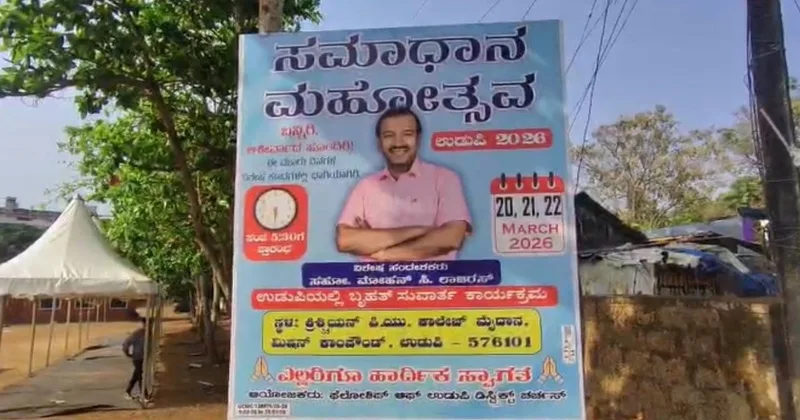
Udupi: The proposed “Samadhana Mahotsava” scheduled between March 20 and 22 has sparked a major controversy in Udupi, with Hindu organisations intensifying their opposition and alleging that the event could be used as a platform for “luring-based religious conversions”.
The programme, reportedly led by Tamil Nadu-based missionary Mohan C. Lazarus at the Mission Compound area, has come under scrutiny even before its commencement. Protestors claim that such gatherings often go beyond spiritual discourse and allegedly involve subtle inducement tactics aimed at vulnerable sections of society.
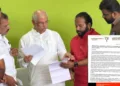
Organisations like the Hindu Jagarana Vedike have submitted formal complaints to the district administration, urging authorities to deny permission. Local leader Srikanth Shetty alleged that similar events conducted elsewhere have used “faith healing”, miracle claims, and emotional narratives to attract economically weaker groups, eventually leading to conversion attempts.
According to critics, the concern is not merely religious preaching but the alleged method of engagement. “People are drawn in with promises of healing from illnesses, financial relief or life improvements. These are subtle but powerful inducements”, a protestor claimed, adding that such practices, if proven, could violate existing laws related to unlawful religious conversions.
Further concerns have been raised about the organisation linked to Lazarus, Jesus Redeems Ministry. The group has previously faced scrutiny over alleged violations of the Foreign Contribution Regulation Act (FCRA), with its licence reportedly suspended by the Ministry of Home Affairs. Opponents argue that foreign funding could be used to influence local populations, especially in rural and semi-urban pockets.
Hindu leaders also point to past controversies involving Lazarus, including statements allegedly critical of Hindu beliefs, which they say have hurt religious sentiments. Although some cases were reportedly closed after an unconditional apology, protestors insist that his track record raises serious concerns about allowing such an event in a sensitive region like Udupi.
Udupi holds deep religious significance, and organisations argue that any activity perceived as targeting local beliefs could disturb communal harmony. “This is not just about one event. It is about protecting the cultural and religious fabric of the region”, a member of a Hindu outfit said.
The district administration has acknowledged receiving multiple representations and is currently reviewing the matter. Officials are expected to weigh legal provisions, law and order concerns and intelligence inputs before making a final decision. Security agencies are also closely monitoring developments, given the possibility of protests.
Hindu groups have warned of large-scale agitation if permission is granted. “We will protest across the district if the administration allows this programme. Any attempt at conversion through inducement will not be tolerated”, a leader asserted.
At the same time, observers note that the issue underscores a broader and recurring debate—how to balance the constitutional right to religious freedom with concerns over alleged coercion or inducement. Legal experts suggest that authorities must carefully examine evidence before taking a call, ensuring that both public order and individual rights are safeguarded.
As tensions escalate, all eyes are on the district administration’s decision, which could set the tone for handling similar controversies in the future. The situation remains delicate, with competing claims of faith, legality and public sentiment at its core.