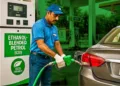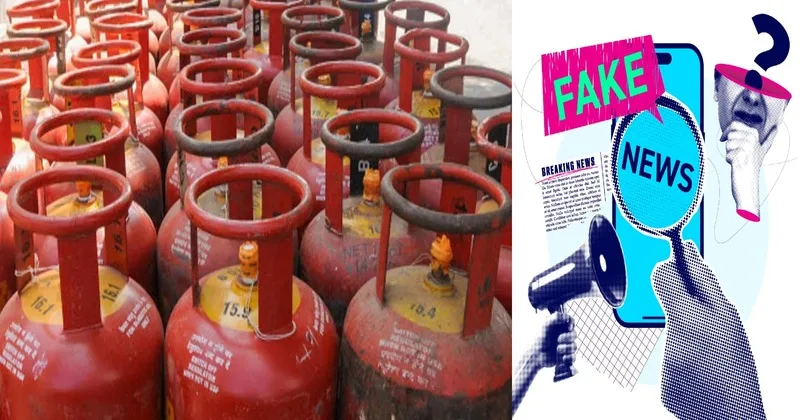
In 1895, the eminent French social psychologist, Gustave Le Bon, wrote a book titled “The Crowd: A Study of the Popular Mind”, in which he deeply explored the concept of mob mentality. According to the book, when people are in a crowd, they behave in a similar way, influenced more by emotions and fear rather than by logic. In other words, fear is like an infection that spreads rapidly from one person to another. A similar situation is currently developing in our country regarding LPG gas.
There is no shortage of LPG(Liquefied Petroleum Gas) in India, but suddenly rumous and fear spread among the masses. Due to the rumour, people began to buy the LPG cylinders in advance. As of now people need to maintain restraint and stay away from such fake rumors. This crisis will blow away soon. The government and the gas companies are fully prepared to deal with this crisis. The LPG gas shortage propaganda is nothing but a hoax, being spread by a specific group for personal and political gain.
Assembly elections are scheduled in States of West Bengal, Kerala, Tamil Nadu, Assam and the Union Territory of Puducherry. The ideology and the party which are unable of winning elections is conspiring to defame the Central government by spreading misleading and fake information about the LPG gas crisis.
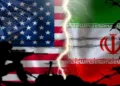
The war between the US-Israel and Iran is affecting LPG supplies almost all the countries throughout the world. Gas and petroleum products from Gulf countries like the UAE, Qatar, Saudi Arabia and Kuwait pass through the narrow 33-kilometer Strait of Hormuz to reach India and other parts of the world.
However, due to the war between the US- Israel and Iran, the Strait of Hormuz is on the verge of closure or has already been closed to some extent. The Indian government’s diplomatic efforts, including Indian Foreign Minister Jaishankar’s talks with his Iranian counterpart, have largely succeeded in securing safe passage for India amid the tanker attacks. In response to the US attacks, Iran has targeted a dozen Gulf countries, including the UAE, Qatar, Kuwait and the Saudi Arabia. This has either halted or affected gas plant production, disrupting international oil and gas supplies.
Iran is attacking its neighbours to pressurize the world community to deter the US and Israel from attacking Iran. This supply crisis has also affected India, as India imports approximately 60 per cent of its LPG requirements, with approximately 90 per cent of this passing through the Strait of Hormuz. The government is working with full commitment to address this situation. The Central government has implemented the Essential Commodities Act 1955 to prevent the hoarding of LPG cylinders and has directed all public and private refineries to increase production.
Union Petroleum Minister Hardeep Singh Puri informed Parliament that due to the government’s efforts, domestic LPG production has increased by approximately 28 per cent in the last five days and is being supplied to domestic consumers on the priority basis. Puri also stated that this is not the time to spread rumours; the country must address the energy crisis together. The government is continuously monitoring the global situation and taking necessary steps to ensure domestic gas supply. The government has clearly stated that there is no actual shortage of domestic gas. LPG prices in India are still lower than its neighboring countries, and the supply of LPG cylinders remains normal. Therefore, there is no need to panic and book LPG cylinders in such advance.
India uses approximately 2.35 billion cylinders annually, and approximately 6 million cylinders are used on daily basis. 88 per cent of this LPG supply is for domestic use, while the remaining 12 per cent is used for commercial purposes, such as hotels, restaurants and industries. Gases like propane and butane have been directed to maximize LPG production by diverting them to the LPG pool. Priority has been assigned to LPG cylinders based on their different uses. Hospitals and educational institutions are receiving priority for non-domestic LPG. The government has approved compensation of ₹30,000 crore to oil companies for lower profit margins on LPG. Under the new order, an additional 48,000 kiloliters of kerosene will be released to State governments.
Recently, panic buying has seen a significant increase in cylinder bookings. Sujata Sharma, Joint Secretary in the Petroleum Ministry, has urged people to avoid panic booking or buying. After the Iran war broke out, there was no shortage of LPG cylinders in the country. Almost everything was proceeding normally, with little or almost no discrepancy between demand and supply. However, after this, people suddenly realized that there might be a shortage of gas cylinders and rumors began spreading rapidly, leading to a tendency to book or purchase more cylinders.
In psychological terms, this is known as panic buying. Panic buying is the situation when people suddenly start buying more than they their normal requirement or even unnecessary items in anticipation of forthcoming potential crisis, rumor, or fear. This buying is often driven by a sense of panic or insecurity, not due to actual need. When people overbuy something, it creates an artificial shortage of that item in the market. In fact, as true citizens, we must understand the principle of panic buying. Without understanding it, we will continue to make this same mistake in every crisis and this is how the common people of the country will continue to face hardships.
People believe that goods will not be available in the future, so they overbuy. Another reason is rumours or misinformation. A certain group on social media starts spreading rumours that a particular item is going to be in short supply, even if the shortage is not as severe as claimed. The third reason is that people imitate others. When they see others buying more of a particular item, they too begin to behave in the same way. The fourth reason is that panic buying increases during emergencies or crises, such as epidemics, wars, natural disasters, lockdowns or economic crises. All these factors result in temporary shortages in the market, which leads to higher prices and black marketing.
According to reports, all refineries in the country are operating at 100 per cent capacity and supply approximately 6 million or more cylinders daily, which is enough for our country’s requirements. Temporary delays or shortages are being observed in some locations due to increased demand, but this should not be considered a major crisis. Both the Central and State governments play a role in the distribution of LPG cylinders. The Central government regulates oil companies’ production, imports, distribution and prices. While the State governments are responsible for local inspections, stock monitoring, prevention of black marketing and hoarding besides maintaining law and order.
If domestic LPG production increases by 25 per cent, it will meet approximately 10 per cent of our daily needs. Furthermore, the Indian government has make several time bound and necessary changes like importing LPG and oil from countries like Norway, Algeria, Australia, Canada and the United States instead from the tradition countries. The Indian government anticipated the current Gulf crisis in advance and, in a landmark development, on November 17, 2025, Indian public sector oil companies signed a one-year contract to import approximately 2.2 million tons per year of LPG from the US Gulf Coast through 2026. This was the first such US LPG contract for the Indian market, representing approximately ten per cent of India’s annual LPG imports. Therefore, this is merely propaganda and an attempt by opponents and a specific group to defame the country.