The geopolitical crisis in West Asia is spiralling like a wildfire across the region and beyond, with a severe impact specifically on global energy security. The world’s energy priorities are seriously dwindling, and nations are ramping up efforts to secure their energy interests. West Asia not just houses one of the world’s largest sources of crude oil, but it also encompasses strategic chokepoints that are critical to the cross-continent passage of oil resources.
The Strait of Hormuz, a narrow sea passage between the Persian Gulf and the Gulf of Oman, is a strategic oil chokepoint that handles more than 20-25 per cent of global oil transport. Thus, the strait is pivotal to ensure global energy security. However, owing to escalating conflict with the US and Israel, Iran has shut the Strait of Hormuz and is hindering the safe passage of the oil tankers. The Iranian Revolutionary Guard Forces(IRGC) have indiscriminately targeted and bombarded the oil tankers passing through the Strait of Hormuz.
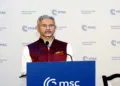
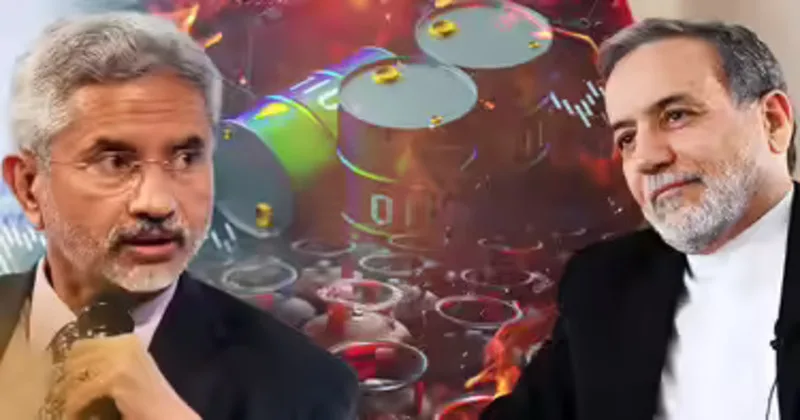
The world is apprehensive about whether there will be a global oil shortage, thus swiftly aiming to fulfil respective energy priorities. Amidst such a precarious and ambiguous geopolitical scenario, Indian diplomacy has thrived in the Strait of Hormuz, thereby facilitating the safe passage of oil tankers bound for India without any threats, targeting, or bombing. External Affairs Minister Dr S. Jaishankar has held a telephonic conversation with his Iranian counterpart, Foreign Minister Abbas Araghchi, and it is said that one of the key aspects of the conversation was the safe passage of the oil tankers bound for India.
US, Europe vessels struck; Indian ships move swiftly
Iran has allowed the Indian-flagged oil tankers Pushpak and Parimal to pass through the Strait of Hormuz safely without any attack. Meanwhile, the oil tankers affiliated with the United States and the European Union were stranded with no space for passage and under the threat of an attack. On the other hand, Indian tankers moved safely. This was made possible after EAM Jaishankar held talks with Iran’s Foreign Minister. One of the pivotal aspects of the conversation by EAM Jaishankar was to facilitate swift movement of oil tankers and keep the strait open without shutting it down, thus not creating gridlocks in global oil movement and India’s energy security. The sea route is critical for the transportation of crude oil and natural gas for India. Roughly, 40 to 60 per cent of India’s oil passes through the Strait of Hormuz.
Since the conflict between the US-Israel axis and Iran broke out with ripple effects across West Asia, this is the third conversation between EAM Jaishankar and Iranian Foreign Minister Abbas Araghchi. Safe passage of oil tankers across the Strait of Hormuz was one of the top agenda items during the call, along with the larger crisis situation in West Asia that needs immediate de-escalation and dialogue rather than ambiguous fighting. The situation in the Strait of Hormuz is extremely fluid and volatile. On March 11, a cargo vessel flagged by Thailand was attacked near the Strait of Hormuz, shortly after departing from the UAE. The vessel had apparently left UAE and headed towards Kandla port in Gujarat.
Recently, EAM Jaishankar also made a suo motto address to the Rajya Sabha and spoke about the situation in West Asia. He advocated for restraint, de-escalation, dialogue and diplomacy in the West Asian crisis. He also emphasised the safety of the civilians across the region and particularly reiterated the safety of more than one crore diaspora residing across West Asia. EAM Jaishankar also stated that securing India’s national interest and energy security is the government’s top priority. In this direction, the latest phone call with the Iranian Foreign Minister and the safe passage of the India-flagged oil tankers, reflects New Delhi’s commitment to ensuring the energy priorities of 1.4 billion, the safety of the Indian diaspora and the larger national security.