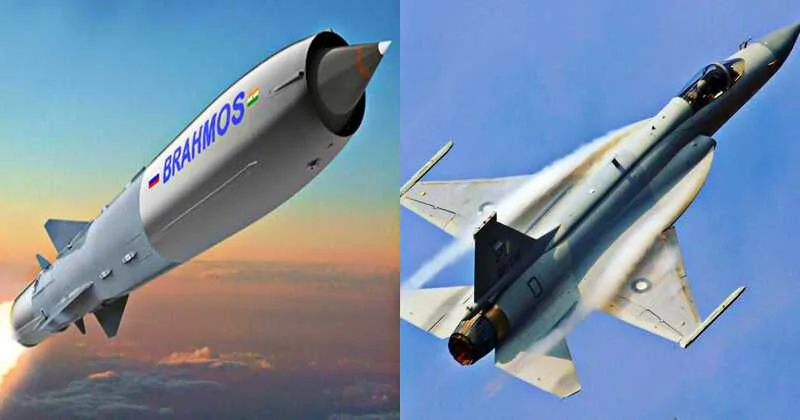
Jakarta/Abuja: Indonesia has signed a deal to purchase the BrahMos supersonic cruise missile, Indonesian Defence Ministry spokesman Rico Ricardo confirmed. The agreement marks a significant step in defence cooperation between India and Indonesia and highlights the growing demand for India’s advanced missile technology in the global arms market.
BrahMos Aerospace, a joint venture between the governments of India and Russia, had earlier indicated in 2023 that Indonesia was in talks with India for a potential deal worth between $200 million and $350 million. The agreement now formalises those negotiations and places Indonesia among the countries acquiring one of the world’s fastest operational cruise missiles.
The BrahMos missile is widely known for its speed, precision and versatility. It operates on the “fire and forget” principle, meaning that once the missile is launched, it automatically navigates to its target without requiring further guidance from the operator. This capability significantly enhances battlefield efficiency and reduces vulnerability during combat operations.
The missile’s standard operational range is around 290 kilometres, while extended-range versions are reported to reach between 450 kilometres and 800 kilometres, depending on configuration. BrahMos can travel at extremely low altitudes of 3 to 10 metres above sea level, allowing it to evade radar detection when approaching naval targets. Alternatively, it can fly at high altitudes of up to 15 kilometres before diving toward its target at supersonic speed.
Its ability to perform complex manoeuvres, combined with its high speed and low flight profile, makes it particularly difficult for conventional air defence systems to intercept. These features have made the missile an attractive option for countries seeking to strengthen their coastal and maritime defence capabilities.
Nigeria faces crisis over JF-17 Fighter Jets
While Indonesia moves forward with advanced missile acquisition, Nigeria is currently facing a defence crisis involving the JF-17 Thunder fighter jets, which were jointly developed by China and Pakistan. Nigeria purchased three JF-17 fighter jets for its air force, but reports indicate that only one of the aircraft is currently operational. The other two jets have been grounded due to a series of technical problems, raising serious concerns about the aircraft’s reliability.
The JF-17 Thunder aircraft entered service with the Nigerian Air Force in 2021. Since then, officials have reportedly encountered persistent technical issues, particularly with the aircraft’s radar system and avionics. These problems have significantly affected the jets’ ability to detect and track targets accurately during missions.
There have also been reports of software glitches affecting the aircraft’s operational systems. Such problems complicate mission planning and can reduce the overall combat effectiveness of the fighter jets. Maintaining such a small fleet has also become a logistical challenge. Operating only three aircraft means that even minor technical faults can drastically reduce operational readiness. The Link-17 datalink system, which is used to exchange information between aircraft, has reportedly been slow and inefficient. This prevents real-time communication with other aircraft and command centres, further limiting operational capabilities.
Another major issue facing Nigeria is the lack of spare parts, which has caused delays in repairing and restoring the grounded aircraft. Maintenance teams have struggled to keep the aircraft in service due to limited availability of essential components. Structural concerns have also emerged. Reports suggest that cracks have developed in the airframe and in the under-wing weapon mounts of the aircraft. Such structural damage in relatively new fighter jets has raised alarm within Nigeria’s defence establishment.
In addition, the Russian-made Klimov RD-93 engines, which power the JF-17, have reportedly shown reliability issues, forcing the aircraft to remain grounded for extended periods.
The JF-17 was originally promoted internationally as a low-cost alternative to expensive Western fighter aircraft. However, Nigeria’s current operational challenges have raised broader questions about the aircraft’s reliability.
Apart from Nigeria, countries such as Myanmar and Azerbaijan also operate the JF-17 fighter jets. The issues reported by Nigeria are now being closely watched by defence analysts and potential buyers around the world.