Dubai: Iran has continued its attacks across the Gulf region despite Iranian President Masoud Pesekian announcing that Iran would halt strikes on neighbouring Gulf countries. Amid escalating tensions with the United States, fresh attacks have been reported, fuelling concerns that Iran is targeting Gulf nations as a form of retaliation instead of confronting the US directly. The developments have deepened anxiety across the region, as the war enters its second week and hopes for peace in West Asia appear to be fading.
Significantly, the Iranian president’s statement expressing regret over earlier attacks and announcing a temporary suspension of strikes on Gulf countries was effectively contradicted within hours by actions on the ground. The Iranian military continued operations across the region, raising questions about divisions within Iran’s leadership and military command.
Fresh attacks in Gulf countries
One person was killed in a new Iranian attack in Dubai. A Pakistani national died after debris from an intercepted drone struck his vehicle in the Al Barsha area of the city. With this latest incident, the death toll from Iranian attacks in the United Arab Emirates has risen to four.
Meanwhile, Iran also launched a drone strike targeting Kuwait Airport. The drone reportedly struck a fuel storage tank at the airport, though authorities said no casualties were reported. The attack heightened security concerns in Kuwait and neighbouring Gulf states.
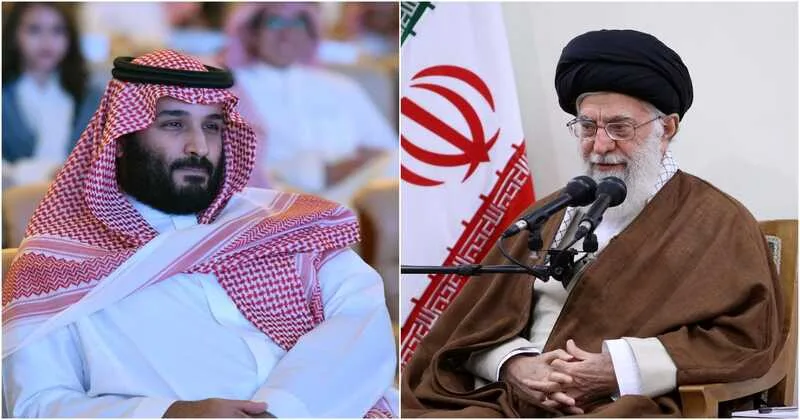
Saudi Arabia also reported attempted drone strikes. The Saudi Ministry of Defence said its air defence systems intercepted around seven drones that were heading towards the kingdom over the past several hours. The ministry added that the drones were destroyed before reaching their intended targets.
Escalating conflict across West Asia
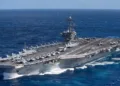
The Iranian president had earlier announced that Iran would stop targeting Gulf countries and had even apologised for previous attacks on neighbouring states. However, the continuation of strikes has undermined those assurances. Political observers say Iran may be attempting to retaliate indirectly against the United States by targeting locations across the Gulf where American military presence is significant.
Rejecting the president’s statement, the Islamic Revolutionary Guard Corps (IRGC), one of Iran’s most powerful military institutions, declared that it would continue operations against American military bases in the region. Analysts believe this signals an intensification of the conflict and a growing risk of wider regional escalation.
A missile strike near Dubai International Airport also triggered panic among passengers, though authorities have not reported major damage to airport infrastructure. Iranian drones were also reported to have struck a US airbase in Abu Dhabi. In addition, Iran carried out repeated attacks targeting locations in Kuwait, Bahrain and Saudi Arabia.
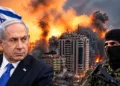
Meanwhile, the conflict has expanded beyond the Gulf. The Israeli–US coalition reportedly launched airstrikes on the Iranian capital, Tehran, on Thursday. Despite Israel’s advanced missile defence systems, several Iranian missiles reportedly penetrated the defences and struck Israeli cities, triggering explosions and widespread alarm.
Elsewhere in the region, an Israeli attack on the town of Nabi Chit in eastern Lebanon reportedly killed at least 40 people. The strike has further intensified tensions across West Asia and raised fears that the conflict could spread into a broader regional war.
US President Donald Trump has authorised the sale of additional weapons to Israel, a move widely interpreted as a signal that the conflict may continue in the coming days.
The war-like situation in the West Asia is also beginning to affect the global economy. International fuel markets are already reacting sharply, with oil prices rising significantly. US crude prices have surged to their highest levels in the past two years, reflecting fears of prolonged instability in one of the world’s most critical energy-producing regions.