Dialogue, dissent and the Bharatiya civilisational ethos
July 13, 2026
  • Read Ecopy
  • Circulation
  • Advertise
  • Careers
  • About Us
  • Contact Us
Android AppiPhone AppArattai
Organiser
  • ‌
  • Bharat
    • Assam
    • Bihar
    • Chhattisgarh
    • Jharkhand
    • Maharashtra
    • View All States
  • World
    • Asia
    • Europe
    • North America
    • South America
    • Africa
    • Australia
  • Editorial
  • International
  • Opinion
  • RSS @ 100
  • More
    • Op Sindoor
    • Analysis
    • Sports
    • Defence
    • Politics
    • Business
    • Economy
    • Culture
    • Special Report
    • Sci & Tech
    • Entertainment
    • G20
    • Azadi Ka Amrit Mahotsav
    • Vocal4Local
    • Web Stories
    • Education
    • Employment
    • Books
    • Interviews
    • Travel
    • Law
    • Health
    • Obituary
  • Subscribe
    • Subscribe Print Edition
    • Subscribe Ecopy
    • Read Ecopy
  • ‌
  • Bharat
    • Assam
    • Bihar
    • Chhattisgarh
    • Jharkhand
    • Maharashtra
    • View All States
  • World
    • Asia
    • Europe
    • North America
    • South America
    • Africa
    • Australia
  • Editorial
  • International
  • Opinion
  • RSS @ 100
  • More
    • Op Sindoor
    • Analysis
    • Sports
    • Defence
    • Politics
    • Business
    • Economy
    • Culture
    • Special Report
    • Sci & Tech
    • Entertainment
    • G20
    • Azadi Ka Amrit Mahotsav
    • Vocal4Local
    • Web Stories
    • Education
    • Employment
    • Books
    • Interviews
    • Travel
    • Law
    • Health
    • Obituary
  • Subscribe
    • Subscribe Print Edition
    • Subscribe Ecopy
    • Read Ecopy
Organiser
  • Home
  • Bharat
  • World
  • Operation Sindoor
  • Editorial
  • Analysis
  • Opinion
  • Culture
  • Defence
  • International Edition
  • RSS @ 100
  • Magazine
  • Read Ecopy
Home Bharat

Dialogue, dissent and the Bharatiya civilisational ethos

To portray Brahmins solely as instruments of oppression is therefore an incomplete reading of history. Bharatiya tradition has long been marked by shastrartha (structured debate), reinterpretation and reform. Its vitality lies not in the absence of conflict, but in its capacity to negotiate conflict through dialogue. The enduring legacy of Kabir and Ravidas is not merely that they protested, it is that they were heard

Adv Karan ThakurAdv Karan Thakur
Mar 8, 2026, 07:00 pm IST
in Bharat, Analysis, Opinion, Culture
Follow on Google News
Representative Image

Representative Image

FacebookTwitterWhatsAppTelegramEmail

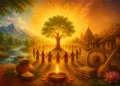
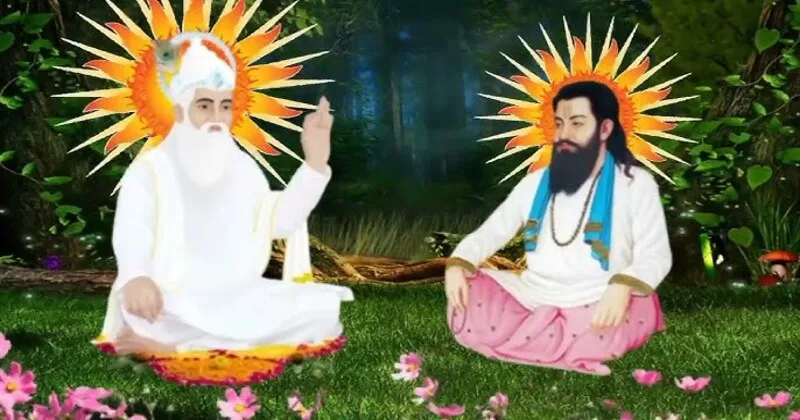
Bharatiya civilisation has never been static; it has continuously evolved through debate, dissent and self-correction. While social hierarchies existed, so did powerful internal voices that challenged them from within. The lives and verses of Kabir and Ravidas reflect this enduring tradition of dialogue over suppression.

To reduce Bharatiya social history to a single narrative of oppression is to overlook its equally powerful tradition of self-critique and reform. Social inequalities undeniably existed; yet, alongside them flourished a civilisational culture that permitted questioning, debate and moral introspection. It is often argued that Brahmins historically represented entrenched hierarchy. However, such a claim becomes one-dimensional if it ignores the parallel intellectual current that arose from within the same civilisational space, a current that challenged orthodoxy not through violence, but through dialogue and spiritual reasoning.

The Case of Kashi–traditionally regarded as a stronghold of Brahmin scholarship and scriptural debate was also the cradle of two of the most fearless voices of social critique: and .
Kabir openly questioned birth-based superiority. He wrote:

“जो तू बामन बामनी जाया, आन बाट काहे न आया?”
“काहे को कीजै पांडे, छूति विचारा?
छूति ही ते उपजा संसारा।”

These verses challenge the logic of caste hierarchy by pointing to the common biological origin of all human beings. The critique is sharp, even satirical but it is philosophical rather than violent.
Similarly, Ravidas asserted:

“रैदास जन्म के कारणे, होत न कोई नीच।”
“नर को नीच करि डारि है, ओछे करम की कीच।”

Here, the emphasis shifts from birth to conduct. Human dignity, in this view, is not determined by caste but by action. This moral reasoning is deeply aligned with broader Bharatiya philosophical thought, where karma not lineage, ultimately defines worth.

Also Read: Ayushman Bhava Holistic Healthcare Confluence 2026: Crafting an inclusive ecosystem & advancing Atmanirbharta in health

Not Suppression, but Absorption

What is historically significant is that these saints were not executed or institutionally silenced. Their ideas spread widely and their followers came from diverse social backgrounds, including Brahmins themselves. This reflects a society where dissenting spiritual voices could find space within the broader cultural matrix. For comparison, when challenged prevailing religious authority in his time, he was crucified. The contrast is often cited to underline differences in civilisational responses to theological dissent.

Even today, in certain countries such as Pakistan ,Bangladesh, Afghanistan or SaudiArbia, open theological criticism may invite severe legal or social consequences. The Bharatiya historical experience, despite its imperfections, has generally displayed a greater tolerance for internal religious debate and reformist expression.

Acknowledging this does not mean denying historical injustices. Social discrimination was real and has left deep scars. Yet it is equally important to recognize that Bharatiya civilisation possessed an internal corrective mechanism, one that allowed saints like Kabir and Ravidas to critique society from within, rather than from exile or martyrdom.

To portray Brahmins solely as instruments of oppression is therefore an incomplete reading of history. Bharatiya tradition has long been marked by shastrartha (structured debate), reinterpretation and reform. Its vitality lies not in the absence of conflict, but in its capacity to negotiate conflict through dialogue.
The enduring legacy of Kabir and Ravidas is not merely that they protested, it is that they were heard.

Topics: CultureKabirRavidas
ShareTweetSendShareSend
✮ Subscribe Organiser YouTube Channel. ✮
✮ Join Organiser's WhatsApp channel for Nationalist views beyond the news. ✮
Previous News

Bharat’s AI: Happiness for All, Welfare for All

Next News

Infrastructure upgrade for Shiv Khori shrine will help J&K become nation’s spiritual hub: LG Manoj Sinha

Related News

PM Modi’s Gift to Global Leaders: Kalamkari Mahabharat, Charaka Samhita reflects India’s timeless artistic heritage

Uttar Pradesh: Digital democracy dialogue ‘Triveni’ concludes; Focused on inclusive growth & cultural discourses

Prime Minister Narendra Modi and his Slovakian counterpart Prime Minister Robert Fico

India-Slovakia elevate ties to Comprehensive Partnership; PM Modi hails cultural bond, Upanishads translation to Slovak

Forced to Remove the “Faith”: How Hindu students are targeted at exam centres

Bharat Mata: A cultural icon & civilisational spirit reverberating the message of unity in 21st century

Rashtriya Swayamsevak Sangh’s fostering of inclusiveness, collectivity & nationality through vocabulary of belonging

Load More

Latest News

The people in Pakistan-occupied Jammu Kashmir (PoJK) are rising against Pakistan's brutality

POJK Unrest: Azad or gulam

Prime Minister Narendra Modi (Left) and Indonesian President Prabowo Subianto (Right)

PM Modi’s Indonesia Visit: Threads from the past, transformation for future

PoJK: Uprising against continued colonisation

Delhi Riots 2020

Delhi Riots 2020: Former AAP Councillor Tahir Hussain & four others convicted for murdering IB Officer Ankit Sharma

500-year-old murti recovered from Bay Of Bengal after fishermen find it in fishing net

500-year-old murti recovered from Bay of Bengal by fishermen; Authorities probe origin & possible smuggling link

Commerce and Industry Minister Piyush Goyal

Fact Check: Piyush Goyal rejects Reuters report on India-US trade deal as “false & misleading”; Reaffirms balanced pact

Representative Image

West Bengal: 48 girls, including minors, rescued from Islampur red-light area in major anti-trafficking crackdown

Great Nicobar is emerging as a strategic gateway that strengthens India's maritime reach while increasing pressure on China's Malacca Dilemma

Great Nicobar Project to boost India’s Indo-Pacific leverage, deepen China’s Malacca Dilemma: Report

PM POSHAN

PM POSHAN Scheme: Yogi government launches massive drive to recruit 3.53 lakh cooks in Uttar Pradesh

Uttar Pradesh: US national claiming special forces past held near Indo-Nepal border without passport

Load More
  • Privacy
  • Terms
  • Cookie Policy
  • Refund and Cancellation
  • Delivery and Shipping

© Bharat Prakashan (Delhi) Limited.
Tech-enabled by Ananthapuri Technologies

  • Home
  • Search Organiser
  • Bharat
    • Assam
    • Bihar
    • Chhattisgarh
    • Jharkhand
    • Maharashtra
    • View All States
  • World
    • Asia
    • Africa
    • North America
    • South America
    • Europe
    • Australia
  • Editorial
  • Operation Sindoor
  • Opinion
  • Analysis
  • Defence
  • Culture
  • Sports
  • Business
  • RSS @ 100
  • Entertainment
  • More ..
    • Sci & Tech
    • Vocal4Local
    • Special Report
    • Education
    • Employment
    • Books
    • Interviews
    • Travel
    • Health
    • Politics
    • Law
    • Economy
    • Obituary
  • Subscribe Magazine
  • Read Ecopy
  • Advertise
  • Circulation
  • Careers
  • About Us
  • Contact Us
  • Policies & Terms
    • Privacy Policy
    • Cookie Policy
    • Refund and Cancellation
    • Terms of Use

© Bharat Prakashan (Delhi) Limited.
Tech-enabled by Ananthapuri Technologies