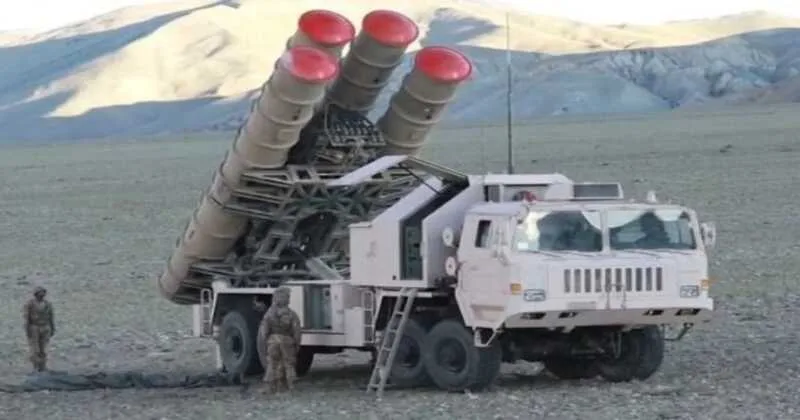
NEW DELHI: The United States and Israel have been carrying out sustained attacks on Iran using fighter jets, cruise missiles and drones. Reports indicate that Iran’s air defence network has struggled to effectively counter these assaults. In particular, Iran’s Chinese-made air defence systems appear to have failed to prevent the attacks carried out by the US and Israeli forces.
Iran’s air defence network includes the Chinese-origin HQ-9B long-range surface-to-air missile system, along with several indigenous systems developed using technology derived from older Soviet-era defence platforms. The HQ-9B formed the backbone of Iran’s long-range air defence shield. However, the system reportedly failed to intercept or neutralise advanced stealth aircraft and precision cruise missiles used in the strikes. Iran had reportedly acquired the HQ-9B system in July 2025 as part of efforts to strengthen protection around sensitive installations, including nuclear facilities. Yet the system was unable to defend key sites in Tehran and the nuclear facility at Natanz, which were struck during the coordinated air raids.
Repeated setbacks for Chinese military technology
The failure of Chinese defence equipment in Iran has drawn attention because similar incidents have occurred in recent conflicts. Analysts note that this is the third instance in which Chinese military hardware has struggled in real combat conditions.
During India’s anti-terror Operation Sindoor in May 2025, launched after the Pahalgam terror attack, several weaknesses in Chinese weapons were exposed. Pakistan had deployed Chinese-made radars and HQ-9B missile defence systems to protect key military installations. However, reports suggested that these systems failed to effectively detect or intercept Indian strikes, including low-flying precision missiles.
Another example emerged in January 2026 when the United States launched Operation Absolute Resolve against Venezuela. During that operation, Chinese-made radar systems used by Venezuelan forces were disabled and failed to detect approaching US aircraft.
The latest developments in Iran have once again raised questions about the reliability of Chinese defence technology. Defence analysts say several technical issues may be responsible for these failures, including problems in missile engines, software reliability and the integration of multiple defence systems into a unified network. For China, which is currently the world’s third-largest arms exporter, such battlefield setbacks could have significant consequences. If the performance of Chinese weapons continues to fall short of their advertised capabilities, many countries may reconsider their defence procurement decisions and look for alternative suppliers.