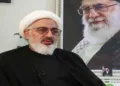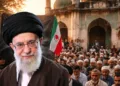
Iranian state media confirmed that Ali Khamenei was killed in the large-scale offensive carried out jointly by the United States and Israel. The 86-year-old cleric, who had led the Islamic Republic since 1989, was reportedly among the primary targets of what Israeli officials described as a “decapitation strike.”
The offensive began on Saturday (Feb 28) morning in broad daylight, a strategic departure from previous covert-style operations. More than 200 fighter jets and a naval strike group reportedly targeted over 500 locations across Iran, focusing on military infrastructure, missile production hubs, and command centres in Tehran.
Coordinated ‘Decapitation strike’
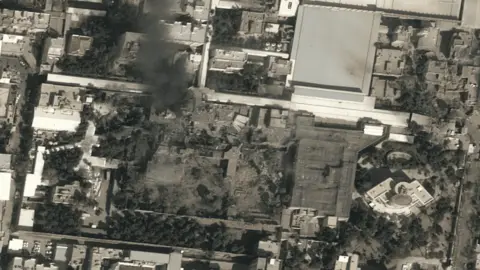
Israeli authorities said the first wave of attacks was aimed at eliminating Iran’s top leadership in a concentrated blow. The secure compound associated with Khamenei in Tehran’s political district was struck, along with other high-value government facilities.
The operation reportedly also killed members of Khamenei’s family, including his daughter and granddaughter. Satellite images circulating on international media showed heavy damage in areas believed to house senior leadership facilities.
Strikes were also reported at key nuclear-linked sites, including facilities in Isfahan and Natanz, as well as missile production centres in Karaj and Kermanshah.
Announcement from Washington and Tehran
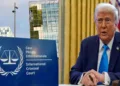
U.S. President Donald Trump publicly announced the killing hours before Iranian television formally confirmed it. In a statement, Trump described Khamenei as “one of the most evil people in history” and said the operation marked a decisive moment in the conflict.
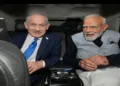
Israeli Prime Minister Benjamin Netanyahu confirmed Israel’s participation, stating that the strikes were aimed at neutralising what he termed an existential threat.
Iran initially withheld confirmation but later acknowledged Khamenei’s death and declared 40 days of national mourning.
Alongside the military assault, Israel’s intelligence agency, Mossad, released messages in Farsi urging Iranian citizens to protest against their government. The messaging campaign suggested that the operation was designed not only to weaken Iran militarily but also to trigger internal political change.
President Trump also released a recorded message broadcast in Washington and around midday in Tehran, reinforcing the perception that the strikes were intended to reshape the region’s political landscape.
The killing of Khamenei marks one of the most consequential developments in the Middle East in decades. Iran’s Revolutionary Guard Corps has vowed what it described as the “most ferocious offensive operation in history” in response.