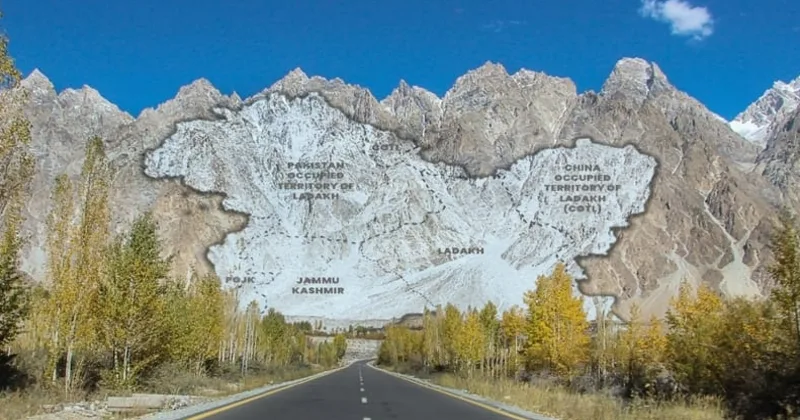
The RSS first articulated its formal stand on the Kashmir issue in 1953, at a meeting of its Akhil Bharatiya Karyakari Mandal. The resolution noted that the international community had acknowledged Pakistan’s military action in Jammu and Kashmir following Independence and described the region as a natural, cultural and constitutional part of India. It criticised negotiations and joint statements with Pakistan that did not explicitly acknowledge aggression and called for a clear assertion of India’s position.
In 1964, the Akhil Bharatiya Pratinidhi Sabha reaffirmed that Jammu and Kashmir had legally acceded to India following the Instrument of Accession signed by Maharaja Hari Singh in 1947. The resolution argued that the ceasefire following United Nations intervention had interrupted efforts to regain full territorial control but maintained that the responsibility to secure the entire region could not be indefinitely deferred. It rejected suggestions of partition or special international status for the territory, describing such proposals as inconsistent with national unity and sovereign principles.
The 1964 resolution also expressed concern over repeated ceasefire violations along the Line of Control and warned that continued aggression could escalate into a larger conflict. It urged the government to take necessary defensive measures and to uphold what it termed a national duty to protect territorial integrity.
During the period of heightened militancy in Jammu and Kashmir in the late 1980s and early 1990s, the RSS again addressed the issue in its 1990 resolution. It stated that lasting peace would not be possible unless areas under Pakistani control were vacated. The resolution also raised concerns about external military assistance to Pakistan and its alleged impact on regional stability, calling for vigilance and firmness in safeguarding national sovereignty.
In 1993, the Akhil Bharatiya Karyakari Mandal proposed stronger border management measures, including sealing the frontier with Pakistan-occupied territories to prevent infiltration and the movement of arms. It suggested the creation of a security belt along the border and highlighted the need for robust defensive infrastructure.
The following year, in 1994, the Akhil Bharatiya Pratinidhi Sabha reiterated that Jammu and Kashmir was an indivisible part of India and that any dialogue with Pakistan should be contingent upon cessation of cross-border terrorism and the vacating of territories occupied in 1947-48. The resolution also called for the dignified rehabilitation of displaced Kashmiri families and encouraged volunteers to support relief and assistance efforts.
Consistency in Position
Across four decades, the resolutions reflect a consistent emphasis on sovereignty, territorial unity and national security. They reject proposals involving division of the state or alteration of its status and stress that long-term resolution requires restoration of full territorial control.
The documents also reveal an evolving focus—from legal and diplomatic assertions in the 1950s and 1960s to security and counter-infiltration concerns in the 1990s, coinciding with changing ground realities in the region.
As debates over Jammu and Kashmir continue in contemporary political discourse, these archival resolutions provide insight into the ideological continuity of the RSS’s stance on POJK and its broader framework for national policy on the issue.