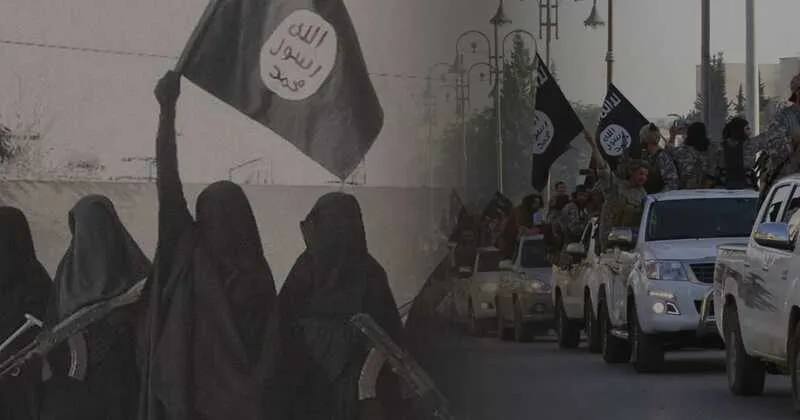
New Delhi/Islamabad: The nature of cross-border terrorism is undergoing a dangerous transformation. Pakistan-based terror outfits Jaish-e-Mohammed and Lashkar-e-Taiba, long known for deploying male operatives against India, are now reportedly preparing to use women as suicide bombers. Indian intelligence agencies have received fresh inputs warning that these groups are planning large-scale attacks using female attackers, mirroring tactics earlier adopted by the Islamic State and the Liberation Tigers of Tamil Eelam.
According to security officials, the strategy is aimed at exploiting gender-based blind spots in surveillance and law enforcement, allowing operatives to move more freely through crowded public spaces such as airports, railway stations, and religious gatherings.
Radicalisation through women-led networks
Terror leaders Masood Azhar and Hafiz Saeed are believed to view women as an effective tool to push extremist ideology deeper into society. Last October, Jaish-e-Mohammed reportedly launched Jamaat-ul-Muminat, its first all-women wing. The group’s objective is to emotionally manipulate educated women and draw them into terrorist activity through targeted indoctrination.
Similarly, Lashkar-e-Taiba has expanded its women’s wing, Tayyibat, which is now spreading rapidly across Pakistan. Under the guise of religious education, these networks are providing ideological training and weapons familiarisation to young girls. Intelligence inputs indicate that recruiters are focusing on educated Muslim women in urban areas, exploiting religious sentiments using propaganda material featuring images of Mecca and Medina. Wives of senior Lashkar commanders are also being targeted and mobilised. At a recent gathering in Lahore, several of these women reportedly delivered inflammatory speeches aimed at radicalising new recruits. Security agencies further warn that terror groups are now pursuing a strategy of involving entire families once a woman is inducted, creating multi-generational extremist networks.
A renewed threat to Indian security
Both organisations have a long history of orchestrating deadly attacks on Indian soil. Jaish-e-Mohammed was responsible for the 2001 Parliament attack and the 2019 Pulwama suicide bombing. Lashkar-e-Taiba carried out the 26/11 Mumbai terror attacks and the Pahalgam strike. Officials say female operatives are being trained specifically because they attract less suspicion, making it easier to penetrate high-security zones and mass gatherings.
The United Nations had earlier cautioned about this tactical shift, noting that women-led cells are increasingly being used for logistics, recruitment, and operational support for suicide missions.
Indian intelligence agencies believe these women’s groups are now actively facilitating terror infrastructure, including safe houses, transport, and communication channels.
In effect, a new “female army” of terrorism is being assembled across the border. For India’s security establishment, this evolving threat presents a serious challenge, one that demands heightened vigilance, upgraded screening protocols, and deeper community engagement to counter radicalisation before it turns lethal.