Initial investigations into the fatal aircraft crash near Baramati that killed Maharashtra Deputy Chief Minister Ajit Pawar have indicated adverse weather conditions as a major contributing factor. According to sources familiar with the probe quoted in media reports say, the aircraft encountered extremely dense fog while flying over parts of Pune district and the Baramati region, severely affecting visibility during the final phase of the flight.
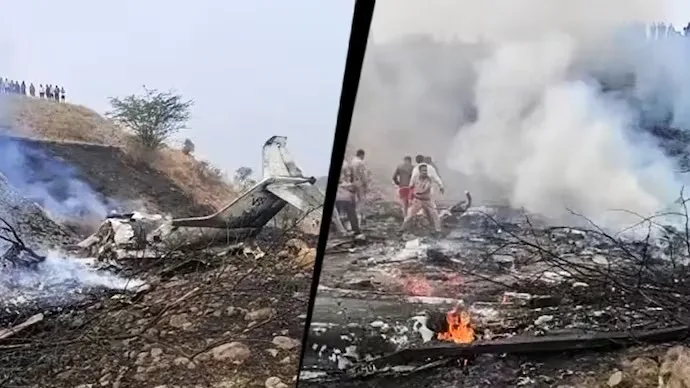
Officials said the aircraft lost its course while navigating through a hilly stretch near Baramati and eventually crashed into a rocky outcrop close to the airport. The crash occurred around 8:45 am, nearly an hour after the plane had taken off from Mumbai. Pawar was travelling to attend public meetings ahead of the upcoming local body elections.
The Directorate General of Civil Aviation (DGCA) has launched a detailed investigation into the incident. Senior DGCA officials stated that a critical part of the inquiry will involve analysing the distribution of the wreckage at the crash site. The debris field will be carefully documented and photographed to assess the aircraft’s speed, direction, and angle of impact at the time of the crash.
Investigators will also retrieve and analyse the aircraft’s black box, which includes the flight data recorder and cockpit voice recorder. These devices are expected to provide vital insights into the aircraft’s technical condition and the pilots’ actions and communications in the final moments before the crash.
In addition to examining cockpit recordings, the probe will scrutinise air traffic control communications to determine whether any alerts or warnings were issued. Pre-flight maintenance records of the aircraft will also be reviewed to establish whether it was airworthy and complied with all safety norms prior to departure.
The tragedy has once again raised concerns over flight safety in low-visibility conditions, particularly in regions with challenging terrain.