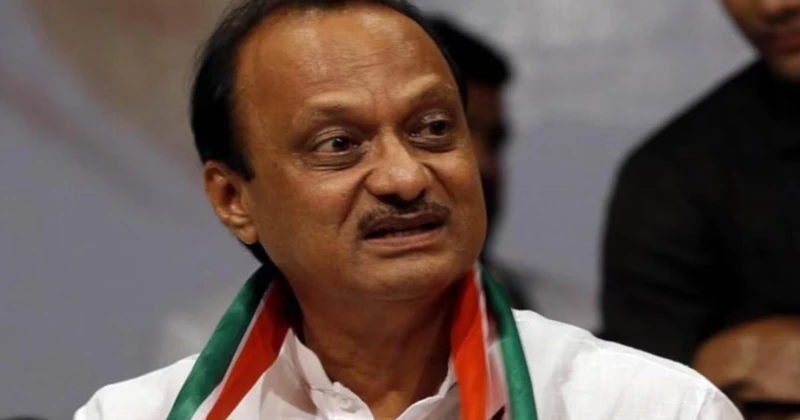
Maharashtra Deputy Chief Minister Ajit Pawar died this morning (January 28) in a tragic aviation accident after a chartered aircraft carrying him crashed while attempting to land at Baramati airport in Pune district. The incident occurred as Pawar was returning to his home constituency, a region that defined his political career for decades, sending shockwaves across Maharashtra’s political spectrum.
According to preliminary information, the aircraft encountered difficulties during its approach and crash-landed on the runway. Pawar was travelling with a small group of associates as part of his schedule to attend several public meetings and campaign events in Baramati ahead of the ongoing Zilla Parishad elections. Emergency and rescue teams rushed to the site immediately after the crash, but Pawar could not be saved.
Widely described as Maharashtra’s “ultimate political survivor,” Ajit Pawar remained a constant presence in the state’s corridors of power for over three decades. His sudden death brings an abrupt end to a political journey marked by resilience, administrative authority, and an exceptional ability to navigate shifting alliances and turbulent political phases.
Born on July 22, 1959, Ajit Pawar was the nephew of veteran leader Sharad Pawar, but he steadily carved out his own political identity. His early political grounding came through the cooperative movement in western Maharashtra, which helped him build a strong grassroots base and administrative experience before he rose to prominence at the state level.
Pawar represented the Baramati constituency in the Maharashtra Legislative Assembly for multiple terms, transforming it into one of the Nationalist Congress Party’s strongest bastions. His deep connection with rural institutions and cooperative bodies allowed him to emerge as a key decision-maker within both the party and successive state governments.
Over the years, Ajit Pawar held several crucial portfolios, including finance, water resources, and planning. He played a significant role in shaping state budgets, irrigation projects, and development policies, particularly in agrarian regions. Known as a tough negotiator and a hands-on administrator, he was both respected and criticised for his uncompromising political style.
Notably, Pawar held the post of deputy chief minister a record six times, serving under different chief ministers and across changing political coalitions. At the time of his death, he was once again serving as deputy CM, showing his enduring relevance in Maharashtra’s power structure, even as the chief minister’s post remained elusive.
Following the 2023 split in the NCP, Pawar emerged as the leader of one faction, retained control over the party name and symbol, and aligned with the ruling coalition, cementing his central role in governance.
Ajit Pawar’s death has left a significant void in Maharashtra’s political landscape. His passing in Baramati, the heart of his political life, marks the end of an era in state politics.