Vyadhiksamatva to Vaccination
June 25, 2026
  • Read Ecopy
  • Circulation
  • Advertise
  • Careers
  • About Us
  • Contact Us
Android AppiPhone AppArattai
Organiser
  • ‌
  • Bharat
    • Assam
    • Bihar
    • Chhattisgarh
    • Jharkhand
    • Maharashtra
    • View All States
  • World
    • Asia
    • Europe
    • North America
    • South America
    • Africa
    • Australia
  • Editorial
  • International
  • Opinion
  • RSS @ 100
  • More
    • Op Sindoor
    • Analysis
    • Sports
    • Defence
    • Politics
    • Business
    • Economy
    • Culture
    • Special Report
    • Sci & Tech
    • Entertainment
    • G20
    • Azadi Ka Amrit Mahotsav
    • Vocal4Local
    • Web Stories
    • Education
    • Employment
    • Books
    • Interviews
    • Travel
    • Law
    • Health
    • Obituary
  • Subscribe
    • Subscribe Print Edition
    • Subscribe Ecopy
    • Read Ecopy
  • ‌
  • Bharat
    • Assam
    • Bihar
    • Chhattisgarh
    • Jharkhand
    • Maharashtra
    • View All States
  • World
    • Asia
    • Europe
    • North America
    • South America
    • Africa
    • Australia
  • Editorial
  • International
  • Opinion
  • RSS @ 100
  • More
    • Op Sindoor
    • Analysis
    • Sports
    • Defence
    • Politics
    • Business
    • Economy
    • Culture
    • Special Report
    • Sci & Tech
    • Entertainment
    • G20
    • Azadi Ka Amrit Mahotsav
    • Vocal4Local
    • Web Stories
    • Education
    • Employment
    • Books
    • Interviews
    • Travel
    • Law
    • Health
    • Obituary
  • Subscribe
    • Subscribe Print Edition
    • Subscribe Ecopy
    • Read Ecopy
Organiser
  • Home
  • Bharat
  • World
  • Operation Sindoor
  • Editorial
  • Analysis
  • Opinion
  • Culture
  • Defence
  • International Edition
  • RSS @ 100
  • Magazine
  • Read Ecopy
Home Bharat

Vyadhiksamatva to Vaccination

Ancient Indian medical texts, especially those of Ayurveda, along with historically documented public health practices, provide definite conceptual and empirical evidence that disease resistance was well understood. The most explicit definition of immunity in ancient literature appears in the Charaka Saṃhita, one of the foundational texts of Ayurveda. Charaka defines immunity using the term Vyadhiksamatva

Dr Punit KumarDr Punit Kumar
Jan 18, 2026, 12:00 pm IST
in Bharat, Analysis, Culture, Health
Follow on Google News
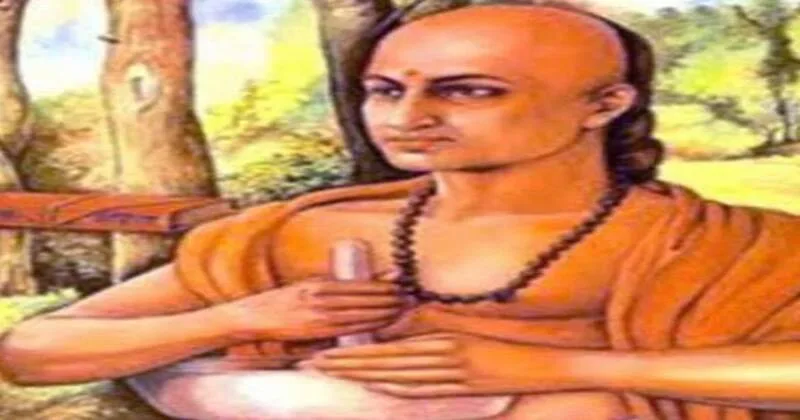
Representative Image

Representative Image

FacebookTwitterWhatsAppTelegramEmail

The idea that the human body can develop resistance to disease is not an abrupt discovery of modern science. While immunology as an experimental discipline matured only in the last two centuries, the intellectual foundations of immunity, resistance, adaptation, prevention and protection were clearly recognised in ancient India. Long before microscopes and germ theory, Indian physicians carefully observed disease patterns, recovery, recurrence and prevention and translated these observations into a coherent medical philosophy.

Ancient Indian medical texts, especially those of Ayurveda, along with historically documented public health practices, provide definite conceptual and empirical evidence that disease resistance was well understood. The most explicit definition of immunity in ancient literature appears in the Charaka Saṃhita, one of the foundational texts of Ayurveda. Charaka defines immunity using the term Vyadhiksamatva,

“व्याधिक्षमत्वं व्याधिबलविरोधित्वं व्याध्युत्पादप्रतिबन्धकत्वं च।” (Charaka Saṃhita, Sutrasthana 28.6)

This verse defines immunity as, the capacity to resist the strength of a disease and the ability to prevent the very occurrence of disease. This distinction is remarkably similar to modern immunological concepts of disease resistance and disease prevention. Importantly, this is not metaphorical language, it is a precise functional definition. Ancient Indian physicians clearly viewed immunity as an active biological property of the body, not as divine luck or fate.

Ayurveda identifies ‘Ojas’ as the fundamental substance responsible for vitality, endurance and disease resistance. Charaka states,

“ओजः शरीरस्य बलम्।” (Charaka Saṃhita, Sutrasthana 17.117)

This verse mentions that Ojas is the strength of the body. Loss of Ojas is associated with fatigue, susceptibility to infections and even death, while preservation of Ojas ensures resilience. Ojas is described as systemic (present throughout the body), sensitive to nutrition, mental stress and lifestyle; and is essential for survival. This closely parallels the modern understanding of immunity as a distributed physiological system influenced by nutrition, stress and overall health. While ancient texts did not describe immune cells, they clearly recognised a systemic defence mechanism underlying health.

One of the core principles of modern immunology is that prior exposure to a disease alters future susceptibility. Ayurvedic texts record this phenomenon through clinical observation. The Susruta Saṃhita notes that certain diseases do not recur with the same intensity once endured,

“पुराणव्याधिग्रस्तानां पुनरुत्पत्तिर्न विद्यते।” (Susruta Saṃhita, Nidanasthana)

This statement reflects an empirical understanding of acquired resistance. Although molecular mechanisms were unknown, the phenomenon itself was clearly observed, documented and incorporated into medical reasoning.

Perhaps the strongest evidence of vaccination like practice in India comes from smallpox inoculation. Smallpox was a devastating disease for centuries and Indian communities closely observed its patterns. In 1768, British surgeon John Zephaniah Holwell documented that Indian practitioners deliberately introduced smallpox material into healthy individuals in a controlled manner. He observed that this practice had been followed “from time immemorial” in Bengal. The practitioners, known as Tikadars, carefully regulated, dosage of infectious material, patient diet and preparation and isolation during recovery. The term ‘टीका’, still used in Indian languages for vaccination, originates from this indigenous practice. This was not folklore. it was a systematic medical intervention recorded by colonial physicians themselves.

Indian texts also demonstrate awareness of disease spread and contagion. The Atharva Veda contains verses invoking removal of disease from the body,

“यक्ष्मा ते अङ्गमङ्गेभ्यो निष्क्रामतु।” (Atharva Veda 5.22).

While expressed ritually, such verses reflect an understanding of systemic illness and the need for intervention. Cultural practices associated with deities like Sitala Mata, linked to smallpox, included isolation of patients, cooling diets, hygiene and avoidance of crowds. These practices functioned as community level public health measures, reducing transmission and mortality.

Ayurveda places extraordinary emphasis on prevention. Daily routines (Dinacharya) and seasonal regimens (Rtucharya) were prescribed to maintain resistance and prevent disease:

“नित्यं हिताहारविहारसेवी…” (Charaka Saṃhita, Sutrasthana 7.54)

Those who regularly follow wholesome diet and conduct remain free from disease. These are not treatments but preventive strategies, closely aligned with modern public health advice on nutrition, hygiene and lifestyle based immunity.

The Rasayana branch of Ayurveda explicitly focuses on strengthening resistance and longevity,

“रसायनं नाम तत् यज्जराव्याधिनिवारणम्।” (Charaka Saṃhita, Cikitsasthana 1).

Herbs such as Guduci, Amalaki and Asvagandha were prescribed to enhance systemic strength. Modern research increasingly demonstrates immunomodulatory properties of these plants, reinforcing the continuity between ancient insight and modern evidence.

Also Read: Kerala tops inflation nationwide, funds remain unutilised as state blames centre; BJP flags fiscal mismanagement

When Edward Jenner’s vaccination reached India in the early 19th century, it encountered little conceptual resistance. Indian society already understood controlled exposure, preventive intervention and community protection. This explains the rapid adoption of vaccination in India, leading ultimately to the eradication of smallpox in 1975. Modern immunisation programmes, polio, measles and COVID -19 are not ruptures from tradition, but extensions of a long standing Indian engagement with disease prevention.

Ancient Indian texts provide definite proof that immunity was recognised as a biological function, disease resistance as an observable phenomenon, and prevention as a medical goal. While ancient physicians did not speak in terms of antibodies or immune cells, they clearly identified the principles upon which modern immunology rests.

India’s contribution to the history of immunity lies not in claiming modern vaccines existed in antiquity, but in recognising that the scientific instinct to protect the body before disease strikes is deeply rooted in Indian thought. The continuity from Vyadhiksamatva to vaccination remains one of India’s quiet, but profound contributions to global medical understanding.


Topics: ImmunityCharaka SamhitaAyurvedaHealthancient india
ShareTweetSendShareSend
✮ Subscribe Organiser YouTube Channel. ✮
✮ Join Organiser's WhatsApp channel for Nationalist views beyond the news. ✮
Previous News

136 Startups a Day: How Bharat quietly built one of the world’s most stable startup ecosystems

Next News

Tamil Nadu: Flag hoisted, then “missing” after HC order; Dargah’s latest spin at Thiruparankundram

Related News

Prime Minister Narendra Modi at the Yoga Day celebrations in Kolkata

International Yoga Day: PM Modi hails Bengal’s spiritual heritage; Advocates yoga for healthy ageing & mental wellness

The wisdom of sattvik food: Nourishing inner balance

PM Modi’s Gift to Global Leaders: Kalamkari Mahabharat, Charaka Samhita reflects India’s timeless artistic heritage

Five Ayush hospitals cum medical colleges to come up in Uttar Pradesh (This is an AI generated image)

Uttar Pradesh plans five integrated AYUSH Colleges and Hospitals to expand traditional healthcare and medical education

A massive 200-kg Shivling recovered from the waters of the Ganga in Varanasi

Hidden Beneath the Ganga for 2,500 Years? 200 kg Shivling discovery draws thousands of devotees in Kashi

Indian surgeon conducts world’s longest cardiac telesurgery; Made-in-India robot echoes indigenous medical prowess

Load More

Latest News

Andhra Pradesh Chief Minister N. Chandrababu Naidu inaugurates the Jonnagiri Gold Mining Project in Kurnool district

Andhra Pradesh: CM Chandrababu Naidu lunches first major gold mining project in Kurnool district

AI-generated image for representation

Tamil Nadu: School teacher faces action over alleged humiliation of menstruating student

Cochin Shipyard (File Photo)

Keralam: ‘I Love Pakistan’ inscription found inside vessel at Cochin Shipyard; Central agencies launch probe

BJP national spokesperson Pradeep Bhandari

Karnataka: BJP accuses Kharge family of illegally acquiring government land worth over Rs 100 crore

Elomi Global Worship Centre in Omalloor, Pathanamthitta district ; Pastor Binu Vazhakkuttom (Left to Right)

Keralam: Child abuse allegations at Pentecostal worship centre in Pathanamthitta; locals demand Pastor Binu’s arrest

Modi Govt’s Tourism Revolution: 183 projects, Rs 9,225 crore investment & rise of India’s cultural & spiritual circuits

Padma Awards 2026: Tamil Nadu’s distinguished achievers receive national honours

India’s history is not merely a tale of foreign domination but also a remarkable story of resilience, resistance & civilisational continuity

Indian History: Not just foreign rule, but a timeless story of resistance, self-respect and civilisational resilience

From $10 Billion to $190 Billion: Indian Bioeconomy Touches New Heights in 12 Years

From $10 Billion to $190 Billion: India’s Bioeconomy leads a 12-Year science revolution

Nagpur | Acceptance of Bharatiya civilisational values is steadily increasing worldwide: Shanta Kumari

Load More
  • Privacy
  • Terms
  • Cookie Policy
  • Refund and Cancellation
  • Delivery and Shipping

© Bharat Prakashan (Delhi) Limited.
Tech-enabled by Ananthapuri Technologies

  • Home
  • Search Organiser
  • Bharat
    • Assam
    • Bihar
    • Chhattisgarh
    • Jharkhand
    • Maharashtra
    • View All States
  • World
    • Asia
    • Africa
    • North America
    • South America
    • Europe
    • Australia
  • Editorial
  • Operation Sindoor
  • Opinion
  • Analysis
  • Defence
  • Culture
  • Sports
  • Business
  • RSS @ 100
  • Entertainment
  • More ..
    • Sci & Tech
    • Vocal4Local
    • Special Report
    • Education
    • Employment
    • Books
    • Interviews
    • Travel
    • Health
    • Politics
    • Law
    • Economy
    • Obituary
  • Subscribe Magazine
  • Read Ecopy
  • Advertise
  • Circulation
  • Careers
  • About Us
  • Contact Us
  • Policies & Terms
    • Privacy Policy
    • Cookie Policy
    • Refund and Cancellation
    • Terms of Use

© Bharat Prakashan (Delhi) Limited.
Tech-enabled by Ananthapuri Technologies