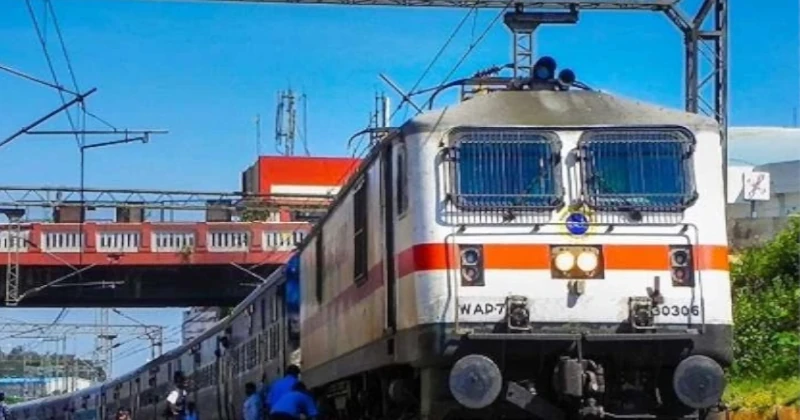
Indian Railways has officially launched a One-Time Password (OTP) based ticketing system to strengthen identity verification and prevent illegal booking practices. The new system came into effect on January 12, 2026, and has been implemented on 300 major trains across the country in its first phase.
Under the new framework, tickets for the notified trains will not be issued unless OTP verification is completed, marking a significant shift from earlier booking procedures. Railway authorities believe this technology-backed intervention will improve transparency, ensure legal mobility, and safeguard genuine passengers.
Railway officials quoted in media reports say, repeated instances of fake bookings, bulk ticket purchases by unauthorised agents, and misuse of passenger quotas under the older system prompted the decision. Investigations in the past revealed cases where a single individual or agent booked multiple tickets using loopholes in the system, later selling them at a premium.
By mandating OTP verification, Indian Railways aims to ensure that each ticket is directly linked to a verified mobile number, thereby reducing the scope for impersonation and illegal resale.
Under the new system, passengers booking tickets, especially at railway reservation counters, must provide a valid mobile number at the time of booking. An OTP is immediately sent to the registered number, and the ticket is issued only after the OTP is shared with the booking clerk and successfully entered into the system.
Without OTP authentication, the booking process remains incomplete, effectively blocking any attempt at proxy or fraudulent ticket purchases.
While OTP verification was earlier implemented on a pilot basis for counter bookings in Prayagraj, Indian Railways has now expanded the system to include online bookings as well, making the verification process uniform across platforms.
The system has also been extended to premium train services such as the Rajdhani, Shatabdi, and Duronto Express, which are often targeted by touts and unauthorised agents due to high demand.
Railway authorities have clarified that the current rollout is part of a phased implementation strategy. According to Shashikant Tripathi, Chief Public Relations Officer (CPRO), North Central Railway, the success of the first phase will determine how quickly the system is expanded nationwide.
“In the first phase, 300 trains across the country were brought under the OTP-based system. If the results are positive, the system will be gradually extended to all trains,” Tripathi said.
As Indian Railways continues its push towards digitisation and passenger-centric reforms, the OTP-based ticketing system is being seen as a critical step in modernising one of the world’s largest transport networks while protecting the interests of genuine travellers.