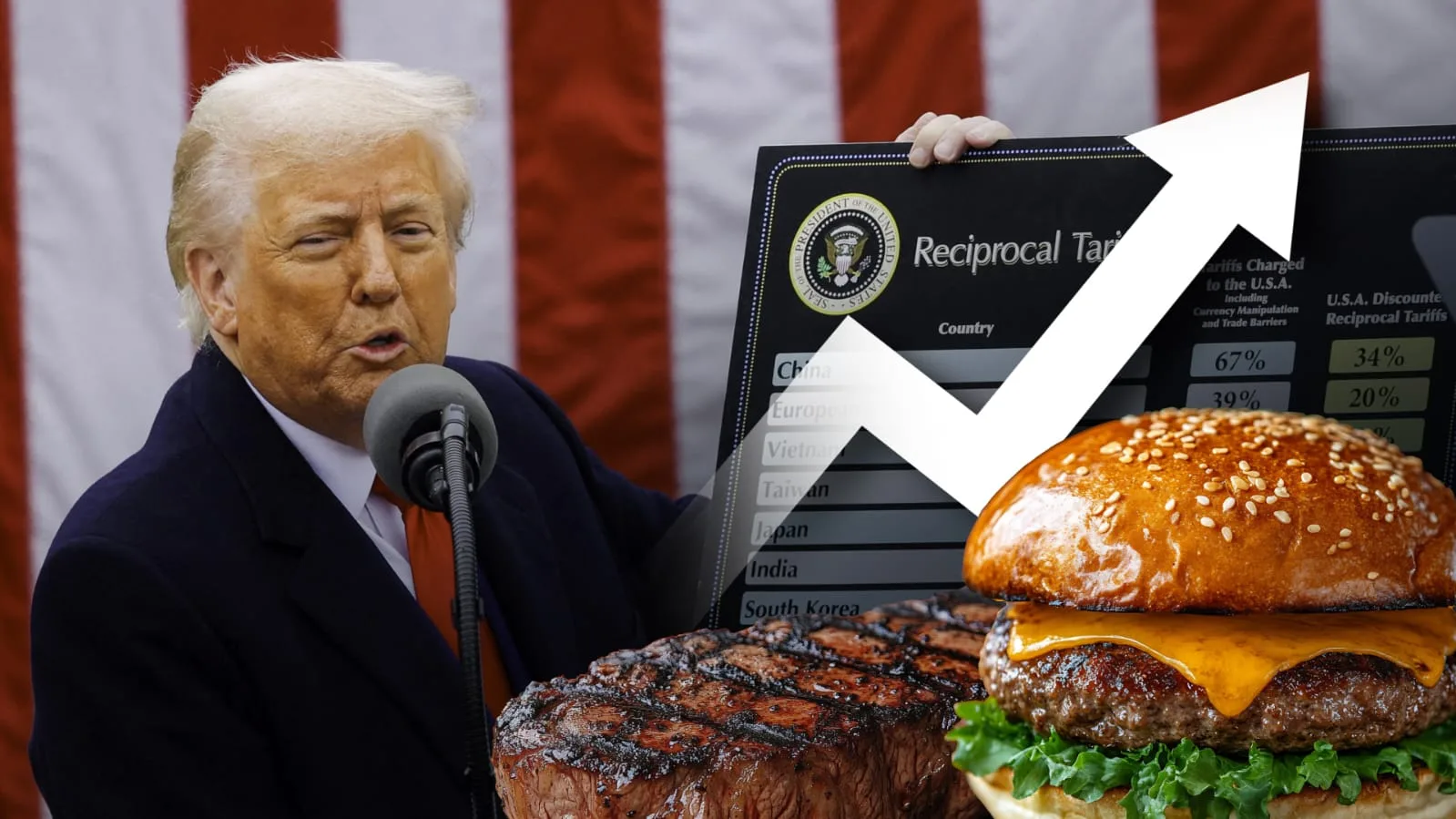
NEW YORK: Americans have long found it difficult to imagine a dinner table without beef dishes, especially during the Christmas season. This year, however, many families across the United States are considering whether to celebrate Christmas without beef. A sharp surge in prices has turned what was once a staple of festive meals into an unaffordable luxury for the average household.
The spike in beef prices comes at a time when American consumers are already under strain. Heavy import tariffs imposed under President Donald Trump have pushed up the cost of a wide range of food products. This pressure has been compounded by economic disruptions following the closure of several government departments, further squeezing household budgets and making daily life more difficult for millions of Americans.
As a result, beef consumption is steadily declining, with households reducing purchases and turning to lower-cost protein alternatives. Restaurants are also reducing beef offerings as demand weakens and input costs rise.
According to the United States Department of Agriculture, the average American consumes around 29 kilograms of beef annually. Beef is particularly central to Christmas and New Year celebrations, with festive menus traditionally built around steaks, ribs, and roasts. Christmas Eve and New Year’s Eve, in particular, are widely associated with elaborate beef-based meals. Under normal circumstances, hotels and restaurants nationwide prepare extensively for this seasonal demand. This year, however, even large hotels and restaurant chains are hesitant to commit to beef-heavy menus. Prices have risen by about 15 per cent over the past year, with no indication of relief in the near future. A kilogram of regular beef now costs more than Rs 10,000, while popular beef ribs, among the most favoured cuts in the US, are priced between $60 and $80 per kilogram, or roughly Rs 5,400 to Rs 7,200.
These increases are further compounded by rising costs of associated ingredients, including spices and cooking essentials, making festive meals significantly more expensive.
These increases are further compounded by rising costs of associated ingredients, including spices and cooking essentials, making festive meals significantly more expensive.
Official US government data underline the broader inflationary trend. Prices of home-cooked meals rose by 2.7 per cent in August compared to August 2024, while hotel and restaurant meals saw a sharper increase of 3.9 per cent over the same period. Following the hike in import tariffs, beef from Brazil, one of the US’s largest suppliers, has become particularly expensive. For Americans, beef refers specifically to meat from bulls. Meanwhile, structural challenges within the US cattle industry have intensified the crisis. Prolonged drought conditions have pushed cattle production to its lowest level in 75 years, further tightening supply and driving prices upward.
The consequences are visible across the meat processing sector. Several large meat-processing plants have shut down or laid off workers due to insufficient supply and escalating input costs. In November, Trump announced exemptions for beef imports from Argentina to curb prices, but the move failed to deliver meaningful relief. In effect, the tariff-heavy trade policy aimed at pressuring other countries has translated into a higher cost of living for Americans. Even Fox 13 Now, a Republican-leaning channel generally supportive of Trump, has been compelled to acknowledge rising prices of beef and other essential goods, underscoring how deeply the issue is being felt across the country.