





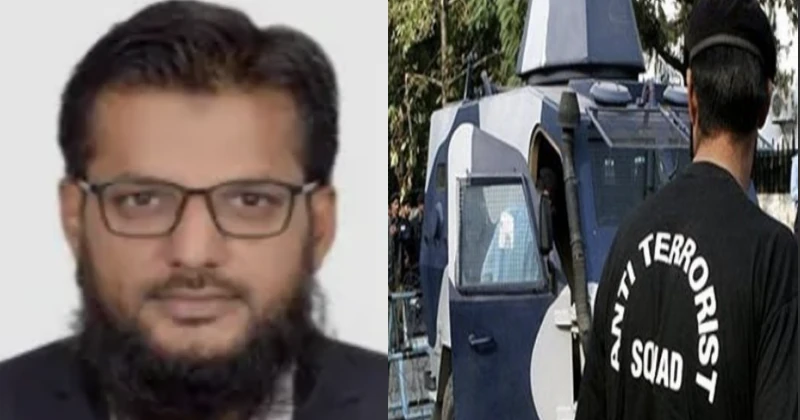
The Maharashtra state Anti-Terrorism Squad (ATS) has uncovered a deeply entrenched radicalisation module allegedly run by Pune-based software engineer Zubair Hangargekar (37) an ordinary IT professional on paper, but a covert ideologue pushing Al-Qaeda’s most extreme narratives in Indian cities, colleges, and online platforms.
The investigation has revealed a chilling reality: a well-educated, financially comfortable techie with a Rs 22-lakh annual salary, extensive IT experience, and international-level digital skills, was secretly working to dismantle India’s democratic structure and replace it with Shariat rule.
What follows is a comprehensive look at how a seemingly harmless tech professional allegedly built a radical propaganda ecosystem, mentored young recruits, consumed global jihadist literature, and brought Al-Qaeda’s influence into India’s urban spaces all while holding a respectable corporate job.
Born in Solapur district of Maharashtra, Hangargekar’s early education took place at the Solapur Social Association Urdu High School. He later pursued a Bachelor of Engineering at the Walchand Institute of Technology, one of the region’s well-known institutions.
Colleagues remember him as quiet and introverted traits investigators now consider “consistent with compartmentalised radical operatives.” After moving to Pune, he initially worked in a prominent IT company in Hinjewadi before joining a software firm in Kalyani Nagar, where he earned one of the higher-end salary brackets for mid-level engineers.
Despite his modern workplace environment, ATS sources say Hangargekar remained “deeply orthodox, rigid, and ideological.” Investigators found that he had been enforcing strict Shariah practices within his family, often displaying an authoritarian interpretation of religious law.
The ATS believes that 2015 was a crucial year that shaped Hangargekar’s transformation. That year, he reportedly came in contact with radical suspects from Pune and Hyderabad individuals who were themselves on intelligence radars.
These meetings sparked a drastic ideological shift. From that point forward, Hangargekar is said to have:
- Immersed himself in writings of Al-Qaeda ideologues
- Followed radical preachers from Pakistan, Afghanistan, and the Middle East
- Consumed extremist sermons and lectures
- Studied the operational history of global jihad movements
Investigators also found evidence that he had conducted in-depth analysis of major terror attacks, including the 9/11 attack on the United States, not from a scholarly perspective but in admiration of Al-Qaeda’s “strategic brilliance.”
The ATS probe into Hangargekar’s digital ecosystem has revealed he was part of multiple international extremist Telegram groups, many of which regularly circulate:
- Al-Qaeda magazines
- AQIS operational documents
- Jihadist speeches
- Videos glorifying terror attacks
- Step-by-step guides for guerrilla strikes
- He also created his own Telegram groups
- These private groups reportedly included:
- Young followers from Maharashtra
- Like-minded ideological recruits
- Individuals seeking religious “guidance”
- Members of overseas Telegram groups
Inside these groups, Hangargekar allegedly discussed:
- The concept of Ghazwa-e-Hind
- Establishment of Khilafat rule in India
- “Replacing democracy with Shariat”
- Dissolving national borders for a “global Ummah”
- Rejecting all participation in “kuffar systems” such as elections
- Delegitimising the Indian Constitution
This messaging, officials say, was not casual but “systematic, strategic, and in line with Al-Qaeda recruitment protocols.” From Hangargekar’s mobile phone, laptops, storage drives, and cloud backups, the ATS has recovered over 1 TB of content a staggering volume pointing toward long-term radical engagement.
Key recoveries include:
1. Bomb-making manuals
Multiple documents some from Inspire Magazine, an official Al-Qaeda publication contained:
- “OSJ Gun School”: rifle training methods
- “OSJ Bomb School”: underground explosives techniques
- Instructions on constructing acetone peroxide IEDs
- Guides for lone-wolf guerrilla operations
The ATS submitted these to DRDO’s High Energy Materials Research Laboratory (HEMRL), which has verified that the bomb-making procedures are technically viable.
2. Al-Qaeda & AQIS propaganda magazines
These magazines glorify:
- “Jihad as martyrdom”
- Establishing global Khilafat
- Attacking democratic institutions
- Targeting “apostate regimes”
3. Speeches of Osama Bin Laden
An Urdu translation of an Osama bin Laden speech was found on his phone—indicative of his role in spreading extremist messaging to Indian youth unfamiliar with Arabic.
4. Radical sermons & ideological compilations
Massive archives of sermons by:
- Anwar al-Awlaki
- Abdullah Azzam
- Ayman al-Zawahiri
- Other AQ-linked ideologues were also found.
5. Evidence of recruitment
Chats, audio notes, and group participant lists suggest that he actively guided younger members through step-by-step ideological indoctrination. According to ATS, Hangargekar regularly conducted Dars (religious lectures) at a location in Kondhwa Khurd, Pune. These sessions focused on:
- Interpreting the Quran and Hadith to justify violent jihad
- Preaching Khilafat and global Islamic rule
- Condemning democracy as un-Islamic
- Encouraging attendees to “prepare for Ghazwa-e-Hind”
A day after his arrest, a contact in his network reportedly removed books, pamphlets, and documents from the Kondhwa site and burnt them at a madrasa in Kalepadal.
Investigators believe this was an attempt to eliminate material linking Hangargekar to radical groups in Solapur, Thane, Pune, and possibly Hyderabad. The ATS has interrogated several individuals who interacted with Hangargekar.
One such person is an Urdu PhD scholar and former lecturer at the National Defence Academy, who had earlier been arrested in connection with the 2002–03 Mumbai serial blasts but was ultimately acquitted of terror charges (though convicted under the Arms Act).
Investigators believe Hangargekar drew intellectual and ideological inspiration from such individuals who blended educational credentials with extremist views.
Seizures so far
- 12 mobile phones
- 6 laptops
- 4 hard disks
- 2 pen drives
- 1 SIM card
Digital forensic teams say the volume and diversity of data show that Hangargekar was not a passive consumer but an active disseminator.










Comments