





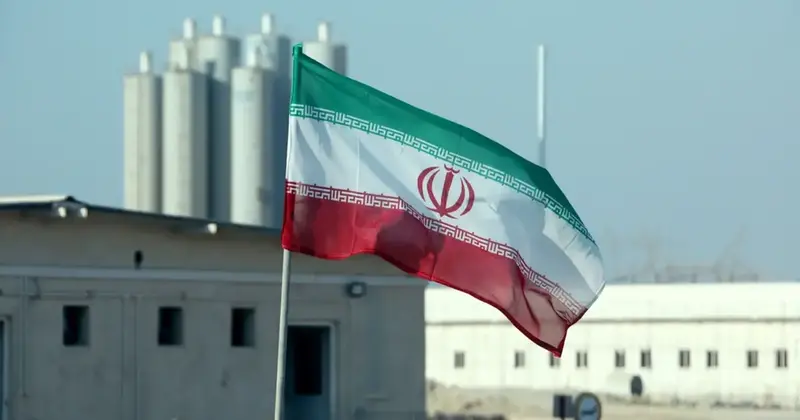
On October 18, 2025, Iran officially announced it is no longer bound by the 2015 nuclear deal, known as the Joint Comprehensive Plan of Action (JCPOA). The foreign ministry stated that “all of the provisions, including the restrictions on the Iranian nuclear program and the related mechanisms are considered terminated”. With this statement, Tehran is asserting that it views the decade-old framework, backed by UN Security Council Resolution 2231 adopted in 2015, as finished and no longer legally binding.
Understanding the background is important. The JCPOA aimed to limit Iran’s nuclear program in exchange for relief from sanctions. It received endorsement from the UN Security Council under 2231 Resolution. However, the deal had been falling apart for years. In 2018, the Donald Trump administration withdrew the US from the deal and reinstated strict sanctions, leading Iran to gradually resume higher-grade uranium enrichment. In August 2025, the three European signatories—the UK, France and Germany—activated the “snapback” mechanism to restore UN sanctions, citing Iran’s significant non-compliance. Therefore, many observers see the JCPOA as already largely ineffective, with Iran’s formal declaration simply marking the end of what was essentially a dead agreement.
In its announcement, Tehran emphasized that it remains open to diplomacy. This may be a way to reassure others that this rejection does not have to result in immediate tension. Still, removing those constraints creates increased risks both regionally and globally. From a non-proliferation perspective, Iran’s action means that the restrictions on uranium enrichment levels, monitoring protocols by the International Atomic Energy Agency (IAEA) and limitations on nuclear-related activities under the JCPOA no longer apply as declared policy. This raises concerns about Iran enriching uranium at higher levels, expanding its production capabilities and lowering the transparency for outside inspectors. While Iran argues that its nuclear program is for peaceful uses, western countries and regional actors, particularly Israel perceive this as entering a risky area.
Practically, Tehran faces renewed and possibly harsher sanctions. The reactivation of UN sanctions means that many economic and military restrictions that had been lifted or suspended will be reinstated. This fresh pressure could worsen Iran’s economic struggles, limit its ability to engage internationally and lead the country to deepen ties with non-Western nations. For instance, analysts expect China to gain more leverage by buying Iranian oil at significant discounts. The sanctions environment may push Iran to speed up certain strategic programs or stockpile fissile material while it still can, believing the international opportunity is closing.
Regionally, Iran’s declaration is likely to cause reactions throughout West Asia. Rival states like Saudi Arabia and the UAE may feel pressured to either speed up their own nuclear programs or seek tighter security alliances with the US and Israel. Additionally, Israel has already carried out strikes on Iranian-linked nuclear and military sites, notably in June 2025 and Tehran’s announcement adds urgency to its threat assessments. This raises the risk of miscalculation, escalation and proxy-driven conflict. Analysts warn that with fewer restrictions, Iran’s progress toward weapons-grade enrichment becomes quicker, shortening the so-called “break-out” timeline.
Diplomatically, the announcement might surprisingly lead to a new phase of negotiations, albeit with greater stakes. Iran may seek a new framework that recognizes its advancements, calls for the removal of sanctions and resets relations under different terms. However, this will require western powers willing to negotiate in good faith—a condition Iran insists must include guarantees against military action and recognition of its enrichment rights. On the other hand, the US and its allies will demand robust verification and strong inspection procedures. They may also link negotiations to Iran’s missile program and regional actions, areas Iran considers non-negotiable. The gap of mistrust is wide.
Economically, Iran’s announcement might hinder its chances of rejoining global markets. Although Tehran claims it is ready for diplomacy, many companies and banks may find the environment too risky due to the renewed sanctions. This dynamic might limit foreign investment and access to technology, undermining Iran’s long-term goals in energy and industry.
From an international law perspective, Iran’s claim that the deal’s “termination day” has come ten years after the adoption of Resolution 2231 is disputed. While the JCPOA did plan for the ending of certain provisions on October 18, 2025, it also included long-term monitoring, safeguards and a path for future dialogue and verification. Western countries might argue that Iran remains obligated under non-proliferation commitments from the NPT and that unilateral withdrawals do not exempt it from those responsibilities. Nonetheless, Tehran’s position is clear: it sees any reimposition of restrictions as illegitimate and demands equal treatment as a non-nuclear weapons state.
Iran’s announcement marks a significant moment, signaling the clear end of the 2015 nuclear deal. It does not automatically indicate a move toward weaponization, but it does remove the measures that aimed to restrict Tehran’s nuclear expansion and the openness of its program. The global community now faces a more challenging negotiating situation, a constrained diplomatic landscape and increased risks of proliferation and regional conflict. Whether diplomacy can rise to meet this challenge remains uncertain. The coming months may determine if this represents a new stalemate or a dangerous escalation toward nuclear capabilities.












Comments