





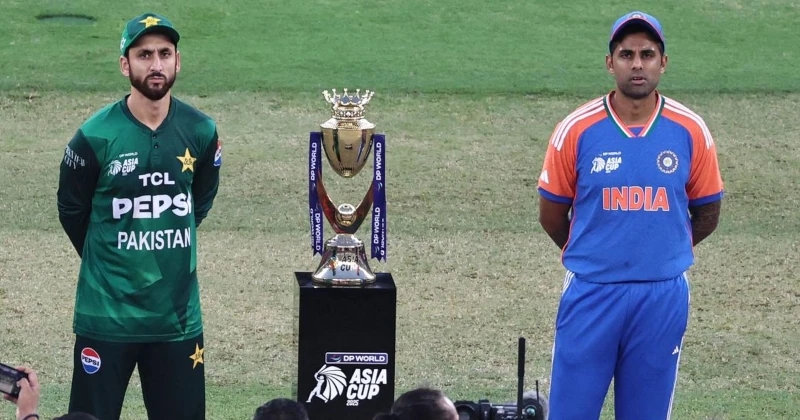
India beat Pakistan in the T20 Asia Cup final on 28 September in a thrilling match. Earlier, India had defeated Pakistan twice in the league matches of the tournament before the epic final clash. Indian Cricket Team proved more than a match to Pakistan in every department of the game. Much like Operation Sindoor against Pakistan on the battlefield, this victory once again proved India’s dominance over Pakistan in the sports field. In the Army parlance, it is called ‘Har Maidaan Fateh’ (Victory in Every Field).
There was initial scepticism about India playing against Pakistan in a cricket tournament. However, the Asia Cup was played in the UAE, a neutral venue at India’s insistence. India is also obligated to participate in multi-national tournaments in the Olympic spirit. However, it was noteworthy that the Indian team confined itself to the game of cricket, and India’s captain, Surya Kumar Yadav, expressed the team’s displeasure by not shaking hands with his Pakistani counterpart. Also, there was no traditional handshake between the players after all three matches. The Indian team also declined to take the trophy from Pakistan’s Mohsin Naqvi, Asia Cricket Council President. No other cricket team could have snubbed Pakistan any better.
The opposition parties made India’s participation a political issue. India has not played against Pakistan in any bilateral cricket tournament under the PM Modi government. Therefore, for the government to allow India to play Pakistan must have been a tough one. Amidst the boycott calls by the opposition and the public sentiment post Pahalgam terror attack of 22 April, the government must have faced a moral dilemma. However, it is easy for India to boycott a tournament, which makes it easier for Pakistan to win the Asia Cup. Pakistan also would have exploited the Indian boycott to project us as the weaker team. India, therefore, rightly decided to confront Pakistan on the cricket field too.
Mind you, it would not have been easy for the Indian cricket team and the team management to play against Pakistan under the shadow of a divided opinion about their participation. However, the comprehensive thrashing of Pakistan in the first league match significantly altered that perception. Then came the second match in the Super Four, and India once again defeated Pakistan fairly easily. Now, the Indian viewers and the spectators were fully behind the Indian team for the much-awaited finals. The massive victory celebrations on the streets of India, well after midnight, were reminiscent of the good old days of pure love for the Indian cricket team.
One issue that the opposition parties in India are raising is about playing against Pakistan when Operation Sindoor is still on. It is essential to recognise that psychological warfare has become an integral part of modern warfare. PM Modi rightly stated that the result is the same for Pakistan, be it on the battlefield or on a cricket pitch: defeat of Pakistan. This statement is profound because under his leadership, Pakistan has been defeated on every field till the Pakistani people alter the power structure and opt for a genuine democracy in the country. In many ways, the Indian team’s victory is an extension of the warrior spirit displayed during Operation Sindoor.
The rivalry in the sports arena is nothing new. It is considered an extension of the power play between the opposing sides. We distinctly remember the rivalry between the US and the former USSR in the Olympics during the Cold War era. China has also become a significant sporting power, staking its claim to be the next superpower. With Pakistan, India has every right to defeat them in cricket and other games to stamp its superiority and achieve moral ascendancy. India continues to boycott Pakistan in bilateral matches, and this measure has also weakened Pakistan’s cricket.
The opposition has once again displayed a poor sense of nationalism by failing to congratulate the victorious Indian cricket team. Even some absurd comments have been made by them. One can understand the pain of the victims of the Pahalgam terror attack, but India collectively has lost no opportunity to defeat and shame Pakistan on every field. I am sure that the grief-stricken families realise that the government and the Indian people have given a befitting reply to Pakistan. It was heartening to note that the Indian soldiers across the country celebrated the victory of the Indian team over Pakistan.
As a nation, we are at a stage where national solidarity matters most. Any division in how we view issues of national pride is likely to encourage divisive elements, both within and outside the country. A difference of opinion is acceptable, but it cannot be extended to matters of national security and strategy. It was said that a war with Pakistan and a cricket match with Pakistan unite Indians like no other event. Let this truth remain unchanged in the larger national interest. Jai Bharat!












Comments