West Bengal scraps 30 years of industrial incentives: Economic fallout and corporate exodus loom under TMC
August 5, 2026
  • Read Ecopy
  • Circulation
  • Advertise
  • Careers
  • About Us
  • Contact Us
Android AppiPhone AppArattai
Organiser
  • ‌
  • Bharat
    • Assam
    • Bihar
    • Chhattisgarh
    • Jharkhand
    • Maharashtra
    • View All States
  • World
    • Asia
    • Europe
    • North America
    • South America
    • Africa
    • Australia
  • Editorial
  • International
  • Opinion
  • RSS @ 100
  • More
    • Op Sindoor
    • Analysis
    • Sports
    • Defence
    • Politics
    • Business
    • Economy
    • Culture
    • Special Report
    • Sci & Tech
    • Entertainment
    • G20
    • Azadi Ka Amrit Mahotsav
    • Vocal4Local
    • Web Stories
    • Education
    • Employment
    • Books
    • Interviews
    • Travel
    • Law
    • Health
    • Obituary
  • Subscribe
    • Subscribe Print Edition
    • Subscribe Ecopy
    • Read Ecopy
  • ‌
  • Bharat
    • Assam
    • Bihar
    • Chhattisgarh
    • Jharkhand
    • Maharashtra
    • View All States
  • World
    • Asia
    • Europe
    • North America
    • South America
    • Africa
    • Australia
  • Editorial
  • International
  • Opinion
  • RSS @ 100
  • More
    • Op Sindoor
    • Analysis
    • Sports
    • Defence
    • Politics
    • Business
    • Economy
    • Culture
    • Special Report
    • Sci & Tech
    • Entertainment
    • G20
    • Azadi Ka Amrit Mahotsav
    • Vocal4Local
    • Web Stories
    • Education
    • Employment
    • Books
    • Interviews
    • Travel
    • Law
    • Health
    • Obituary
  • Subscribe
    • Subscribe Print Edition
    • Subscribe Ecopy
    • Read Ecopy
Organiser
  • Home
  • Bharat
  • World
  • Operation Sindoor
  • Editorial
  • Analysis
  • Opinion
  • Culture
  • Defence
  • International Edition
  • RSS @ 100
  • Magazine
  • Read Ecopy
Home Politics

West Bengal scraps 30 years of industrial incentives: Economic fallout and corporate exodus loom under TMC

By scrapping three decades of industrial incentives, West Bengal risks economic decline and mass industrial exodus, leaving ordinary citizens to bear the brunt

Shashank Kumar DwivediShashank Kumar Dwivedi
Sep 25, 2025, 10:00 am IST
inPolitics, Bharat, West Bengal
Follow on Google News
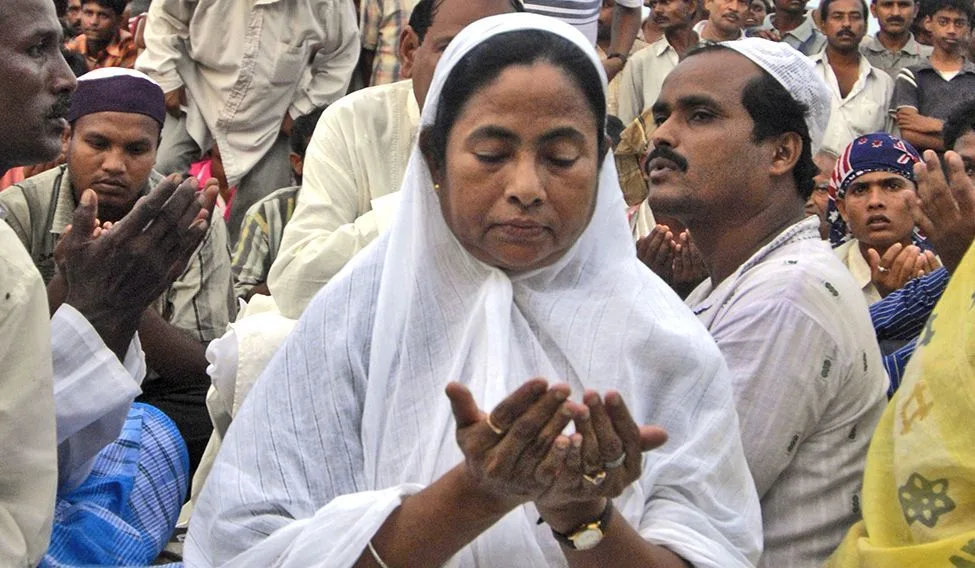
Chief Minister of Bengal, Mamata Banerjee

Chief Minister of Bengal, Mamata Banerjee

Facebook
Twitter
WhatsAppTelegramEmail

The West Bengal government has scrapped all industrial incentives granted over the past three decades, with retrospective effect. The controversial legislation, Revocation of West Bengal Incentive Schemes and Obligations in the Nature of Grants and Incentives Bill 2025, was notified on April 2, 2025, effectively withdrawing benefits promised since 1993.

The decision has been widely criticised for undermining investor trust, jeopardising the state’s economy, and signalling hostility to capital. Corporate heavyweights, including the Dalmia and Birla Groups, estimate combined losses of Rs 430 crore, while countless others have yet to assess their financial damage. Several major players have now challenged the Act in the Calcutta High Court, terming it unconstitutional and arbitrary.

Historical strains between industry and West Bengal

West Bengal’s fraught relationship with industry is deeply rooted in history. During 35 years of Communist Party rule, industrial houses were viewed with suspicion. Jyoti Basu, the state’s former Chief Minister, once referred to capitalists as “class enemies,” a sentiment reflected in policies that often discouraged private enterprise. Strikes, union violence, and incidents of arson forced major business families like the Singhanias and Birlas to relocate to other states, leading to a decline in industrial activity.

The Trinamool Congress (TMC), led by Mamata Banerjee, has not broken this pattern. The party’s rise was facilitated by agitations against industrial projects, most notably Tata Motors in Singur, which resulted in the company relocating outside the state. From 2011 to 2025, over 6,600 companies, including 110 listed firms, moved their operations out of West Bengal, according to the Ministry of Corporate Affairs.

The TMC government’s tenure has been further marred by law and order challenges, illegal immigration issues, and rising communal tensions, which collectively erode investor confidence.

Industrial Incentivisation: Lessons from economics

Economic theory emphasises incentives as tools to stimulate growth, particularly in sectors facing market failures. Negative externalities such as labour unrest, unfavourable social conditions, and poor law and order necessitate government support to attract investment. Keynesian economics advocates active government intervention during economic downturns, highlighting the importance of fiscal incentives in driving recovery.

Globally, industrial incentives are a key growth driver. In the United States, state and local governments spend over $30 billion annually on business incentives, which act as fiscal multipliers. Similarly, India’s Production Linked Incentive (PLI) scheme, with an outlay of Rs 1.97 lakh crore, has catalysed investments of nearly Rs 1.76 lakh crore, increasing FDI in electronics by 254 percent.

Contrary to these practices, West Bengal’s retroactive withdrawal of incentives not only disincentivises investment but also actively breeds mistrust among industries, effectively rolling back decades of progress in attracting capital.

Legal and constitutional concerns

The Act violates fundamental principles of promissory estoppel and legitimate expectation, as well as Articles 14 and 19(1)(g) of the Constitution, which guarantee equality and the right to carry on business. By abrogating past commitments and nullifying pending claims, the legislation imposes unreasonable restrictions on businesses.

Furthermore, the state’s rationale, redirecting funds to social welfare, is economically flawed, as wealth creation is a prerequisite for redistribution. Cutting incentives in an already hostile industrial environment risks creating “collective poverty” rather than collective prosperity, as firms withdraw investments, relocate, or close operations.

Economic fallout and citizens at risk

West Bengal’s economic indicators reveal a precarious fiscal situation: fiscal deficits are at 38 percent of GSDP, GDP contribution has declined from over 10 percent in 1960 to 5 percent today, and per capita income stands at 83.7 percent of the national average, lagging behind neighbouring states. Multidimensional poverty remains high, while law and order challenges continue to escalate.

The Act is likely to trigger further industrial exodus, aggravating unemployment and straining public welfare mechanisms. Ordinary citizens, who rely on industrial growth for jobs and livelihoods, are poised to bear the brunt of policy failures.

Political and administrative context

West Bengal has repeatedly demonstrated confrontational federalism, withdrawing from the Ayushman Bharat scheme, limiting CBI oversight, and clashing with central officials over administrative appointments. Law enforcement is stretched thin, with only 97.66 police personnel per lakh population, contributing to security and investment concerns. Communal violence and political unrest further erode investor confidence, creating an environment where economic growth is stifled.

An economic disaster looms

The retrospective incentive revocation is more than a policy misstep; it is a strategic blunder with long-term repercussions for West Bengal. By alienating industry, the TMC government risks reversing decades of industrial growth, driving away investments, and jeopardising the livelihoods of ordinary Bengalis.

In a rapidly evolving Indian economy, West Bengal’s approach signals regression, moving the state towards economic marginalisation and leaving citizens to grapple with the fallout of policy mismanagement, mistrust, and industrial flight.

Topics: industrial exodusFDI in BengalRevocation of Incentive Schemes Bill 2025West Bengal industrial incentivesTMC economic policies
Share
Tweet
SendShareSend
✮ Subscribe Organiser YouTube Channel. ✮
✮ Join Organiser's WhatsApp channel for Nationalist views beyond the news. ✮
Previous News

Arattai: Union Minister Dharmendra Pradhan endorses Made in India messaging app

Next News

Bihar: PM Modi to transfer ‘Rs10000 each to 75 lakh women’ under employment scheme

Related News

No Content Available
Load More

Latest News

Zuckerberg Apologises Over PM Modi Video, Meta Faces Fresh Scrutiny

Meta under fire over content manipulation: Mark Zuckerberg apologises over PM Modi video row, CSAM & deepfake lapses

The Amritsar arrests expose a troubling new face of proxy warfare, low-cost, digitally recruited and built around vulnerable young recruits (AI generated image)

Amritsar Arrests Expose the New Face of Proxy War: Petrol bombs, online handlers & vulnerable teen recruits

CPM cadre convicted by Court

Keralam: CPM cadres get 16-year jail term for bid to murder RSS karyakartas in 2018 Panoor case

Tamil Nadu Finance Minister N. Marie Wilson presented the first Budget of the TVK government in Assembly on August 5, 2026

Tamil Nadu: TVK’s first Budget projects Rs 16,000 crore additional revenue, announces welfare push

India’s global crackdown on fugitives has intensified, with 274 offenders brought back from 36 countries since 2019 (AI generated image)

From Vijay Mallya to Tahawwur Rana: India’s global pursuit of fugitives brings 274 offenders back from 36 countries

SDPI National General Secretary Riyaz Parangipete

Karnataka Hate Speech Case: SDPI’s Riyaz Parangipete convicted in 11-year-old case, PFI links back in focus

Press breifing by Adilabad SP Akhil Mahajan, IPS

Telangana: Bangladeshi nationals arrested in Adilabad; police expose cross-border burglary network active since 2015

India’s laws allow police to use proportionate force against unlawful assemblies, subject to legal safeguards

Use of Force by Police: Understanding the law beyond the controversy

I.I.M.U.N. founder Rishabh Shah (Left), RSS Sarsanghchalak Dr Mohan Bhagwat (Right)

‘Not the first time’: RSS Sarsanghchalak Dr Bhagwat returns to I.I.M.U.N. to engage with Gen Z & Gen Alpha in Mumbai

Varanasi is set to welcome a spectacular cricket stadium blending modern sports infrastructure with Kashi’s timeless spiritual identity (AI generated image)

Varanasi: Bhagwan Shiva-inspired cricket stadium set to blend Kashi’s spiritual heritage with modern sporting grandeur

Load More
  • Privacy
  • Terms
  • Cookie Policy
  • Refund and Cancellation
  • Delivery and Shipping

© Bharat Prakashan (Delhi) Limited.
Tech-enabled by Ananthapuri Technologies

  • Home
  • Search Organiser
  • Bharat
    • Assam
    • Bihar
    • Chhattisgarh
    • Jharkhand
    • Maharashtra
    • View All States
  • World
    • Asia
    • Africa
    • North America
    • South America
    • Europe
    • Australia
  • Editorial
  • Operation Sindoor
  • Opinion
  • Analysis
  • Defence
  • Culture
  • Sports
  • Business
  • RSS @ 100
  • Entertainment
  • More ..
    • Sci & Tech
    • Vocal4Local
    • Special Report
    • Education
    • Employment
    • Books
    • Interviews
    • Travel
    • Health
    • Politics
    • Law
    • Economy
    • Obituary
  • Subscribe Magazine
  • Read Ecopy
  • Advertise
  • Circulation
  • Careers
  • About Us
  • Contact Us
  • Policies & Terms
    • Privacy Policy
    • Cookie Policy
    • Refund and Cancellation
    • Terms of Use

© Bharat Prakashan (Delhi) Limited.
Tech-enabled by Ananthapuri Technologies