GST Reforms: Powering India’s economic future
December 5, 2025
  • Read Ecopy
  • Circulation
  • Advertise
  • Careers
  • About Us
  • Contact Us
Android AppiPhone AppArattai
Organiser
  • ‌
  • Bharat
    • Assam
    • Bihar
    • Chhattisgarh
    • Jharkhand
    • Maharashtra
    • View All States
  • World
    • Asia
    • Europe
    • North America
    • South America
    • Africa
    • Australia
  • Editorial
  • International
  • Opinion
  • RSS @ 100
  • More
    • Op Sindoor
    • Analysis
    • Sports
    • Defence
    • Politics
    • Business
    • Economy
    • Culture
    • Special Report
    • Sci & Tech
    • Entertainment
    • G20
    • Azadi Ka Amrit Mahotsav
    • Vocal4Local
    • Web Stories
    • Education
    • Employment
    • Books
    • Interviews
    • Travel
    • Law
    • Health
    • Obituary
  • Subscribe
    • Subscribe Print Edition
    • Subscribe Ecopy
    • Read Ecopy
  • ‌
  • Bharat
    • Assam
    • Bihar
    • Chhattisgarh
    • Jharkhand
    • Maharashtra
    • View All States
  • World
    • Asia
    • Europe
    • North America
    • South America
    • Africa
    • Australia
  • Editorial
  • International
  • Opinion
  • RSS @ 100
  • More
    • Op Sindoor
    • Analysis
    • Sports
    • Defence
    • Politics
    • Business
    • Economy
    • Culture
    • Special Report
    • Sci & Tech
    • Entertainment
    • G20
    • Azadi Ka Amrit Mahotsav
    • Vocal4Local
    • Web Stories
    • Education
    • Employment
    • Books
    • Interviews
    • Travel
    • Law
    • Health
    • Obituary
  • Subscribe
    • Subscribe Print Edition
    • Subscribe Ecopy
    • Read Ecopy
Organiser
  • Home
  • Bharat
  • World
  • Operation Sindoor
  • Editorial
  • Analysis
  • Opinion
  • Culture
  • Defence
  • International Edition
  • RSS @ 100
  • Magazine
  • Read Ecopy
Home Bharat

GST Reforms 2025: A transformative leap toward economic resilience and growth in India

India is witnessing a landmark shift with GST Reforms 2025, streamlining its tax structure for greater transparency and growth. This transformative move aims to boost economic resilience, curb inflation, and empower inclusive development

Udit Mohan PathakUdit Mohan Pathak
Sep 11, 2025, 08:00 pm IST
in Bharat, Opinion, Economy
Follow on Google News
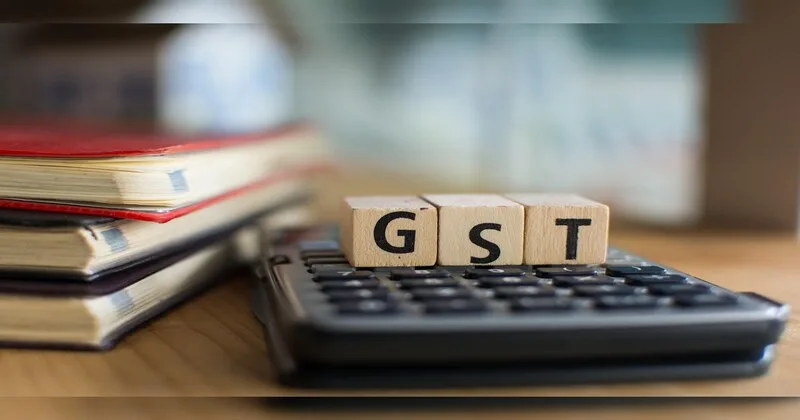
Representative image

Representative image

FacebookTwitterWhatsAppTelegramEmail

India’s economic landscape is undergoing a historic transformation with the GST Reforms 2025, a bold and visionary initiative led by the government. By streamlining the Goods and Services Tax (GST) from four slabs (5 per cent, 12 per cent, 18 per cent, and 28 per cent) to a simplified two-slab structure (5 per cent and 18 per cent, with a 40 per cent rate for select ‘sin goods’), these reforms mark a significant step towards transparency, affordability, and ease of doing business. Hailed as a “Deepawali gift” to the nation, this ‘Next-Gen GST’ is poised to bolster India’s economic resilience, curb inflation, and drive inclusive growth, even amidst global challenges like tariff wars.

Since its introduction in 2017, GST has revolutionised India’s taxation system, replacing a convoluted web of central and state taxes with a unified “One Nation, One Tax” framework. This has enabled businesses, particularly Micro, Small, and Medium Enterprises (MSMEs), to expand seamlessly across states, fostering economic integration and job creation. The 2025 reforms take this vision further by reducing tax slabs, simplifying compliance, and minimising disputes. By lowering rates on essentials like farm products, health items, and handicrafts to 5 per cent, and on key sectors like textiles and automobiles to 18 per cent, the reforms reduce costs for consumers and enhance competitiveness for businesses.

The automobile sector, a cornerstone of India’s economy contributing 13.3 per cent to merchandise exports, stands to benefit significantly. The reduction of GST on small cars, electric vehicles (EVs), and two-wheelers from 28 per cent to 18 per cent makes vehicles more affordable, spurring demand and creating jobs in one of India’s largest employment-generating industries. Similarly, the textile sector, which accounts for 5.1 per cent of exports, gains a competitive edge, crucial in the face of global tariff pressures.

Also Read: Flowers, Faith, and Fascism: How Kerala’s left turned Onam into a battleground against Hindus

A standout feature of the reforms is the complete exemption of GST on all life and health insurance policies. This landmark decision makes financial security accessible to millions, particularly the middle and lower-income groups, fostering greater penetration of insurance products. By reducing the cost of essential services, this move aligns with the government’s vision of inclusive growth and complements the transformative impact of the JAM Trinity (Jan Dhan, Aadhaar, Mobile), which has revolutionised financial inclusion in India.

The timing of these reforms is critical, as global trade faces headwinds from tariff wars, notably US tariffs impacting $48.2 billion of India’s exports. According to a Standard Chartered report, the GST reforms are expected to boost India’s GDP by 0.16 per cent and reduce Consumer Price Index (CPI) inflation, enhancing economic stability. By maintaining robust GST collections—rising from Rs 7.19 lakh crore in FY18 to Rs 20.18 lakh crore in FY24 and projected to remain steady at 6.2 per cent of GDP—the reforms ensure fiscal stability without compromising revenue. This fiscal prudence, combined with India’s all-time high foreign exchange reserves of over $700 billion and the initiation of rupee trade with strategic partners like Russia, shields the economy from global currency fluctuations and trade disruptions.

The International Monetary Fund (IMF) projects India’s GDP growth at 6.2 per cent for FY 2025-26, positioning it among Asia’s fastest-growing economies. This growth is underpinned by robust domestic consumption, structural reforms like GST, and a stable macroeconomic environment. Notably, inflation under the NDA’s 11-year rule has remained lower than during the UPA-2 tenure (2009-2014), reflecting disciplined economic management.

The GST framework has been a boon for states, with Rs 3.07 lakh crore devolved in FY24 alone, fueling infrastructure and development projects. The simplified tax structure ensures states continue to benefit from steady revenue streams, enabling them to invest in critical areas like education, healthcare, and connectivity. This equitable distribution of resources strengthens India’s federal structure and supports the vision of Aatmanirbhar Bharat.

The GST reforms are complemented by other macroeconomic strengths. Record-low repo rates have made loans more affordable, enabling Indians to meet their financial needs, from home purchases to business investments. This synergy with the JAM Trinity has democratised access to financial services, empowering millions. Additionally, India’s strategic shift towards rupee trade with partners like Russia mitigates risks from volatile foreign currency markets, reinforcing economic stability.

Under PM Modi’s leadership and FM Sitharaman’s stewardship, GST 2.0 is a strategic masterstroke that strengthens India against global economic challenges while fostering inclusive growth. By curbing inflation, sustaining GST collections, boosting key sectors like automobiles and textiles, and making essential services like insurance affordable, these reforms lay the foundation for a resilient and prosperous India. As the nation navigates global uncertainties, the GST Reforms 2025, coupled with robust macroeconomic policies, position India as a beacon of economic growth and stability.


 

Topics: Economic ResilienceInclusive growthGST reforms 2025Inflation ControlMake In IndiaIndian EconomyTax Reform
ShareTweetSendShareSend
✮ Subscribe Organiser YouTube Channel. ✮
✮ Join Organiser's WhatsApp channel for Nationalist views beyond the news. ✮
Previous News

Chhattisgarh: Top Maoist leader Modem Balkrishna among 10 neutralised in Gariaband encounter

Next News

Obesity: Swadeshi homes for swadeshi samaj

Related News

Representative Image

Make in India gets pharma push: PLI schemes and industrial parks drive domestic manufacturing expansion

A representative image

What do the new excise rules mean for cigarette and gutka companies?

Representative Image

Reinventing India’s Atmanirbhar legacy through swadeshi sankalp

Reserve Bank of India

Indian economy shows robust growth in October amid global pressures: RBI

POTUS Trump hints at cutting high tariffs on India, calling it a step toward a fair and balanced trade partnership

India–US trade deal enters final lap as negotiations close; markets roar, Piyush Goyal vows, “no surrender on tariffs”

PM Modi flags off four new Vande Bharat trains(File Photo)

Vande Bharat, Namo Bharat, Amrit Bharat trains are laying foundation for next generation of Indian Railways: PM Modi

Load More

Comments

The comments posted here/below/in the given space are not on behalf of Organiser. The person posting the comment will be in sole ownership of its responsibility. According to the central government's IT rules, obscene or offensive statement made against a person, religion, community or nation is a punishable offense, and legal action would be taken against people who indulge in such activities.

Latest News

Union Minister for Road Transport and Highways Nitin Gadkari (Right)

India set for highway overhaul as Union Minister Nitin Gadkari unveils nationwide shift to MLFF electronic tolling

RSS Akhil Bharatiya Prachar Pramukh Shri Sunil Ambekar

When Narrative Wars result in bloodshed, countering them becomes imperative: Sunil Ambekar

Ministry of Civil Aviation mandates emergency action: IndiGo ordered to stabilise flight operations by midnight

Chhattisgarh CM Vishnu Deo Sai at Panchjanya Conclave, Nava Raipur, Image Courtesy - Chhattisgarh govt

Panchjanya Conclave: Chhattisgarh CM Sai shares views on development projects in Maoist hotbed, women empowerment

Union Finance Minister Nirmala Sitharaman

‘TMC is holding Bengal back’: Sitharaman slams Mamata govt over industrial & healthcare setbacks

Karnataka: Muslim youth Mohammed Usman accused of sexual assault, blackmail & forced conversion in Bengaluru

Social Justice Is a cover; Anti-Sanatana dharma is the DMK’s real face at Thirupparankundram

Karnataka: Hindus demand reclaiming of Anjaneya Mandir at the site of Jamia Masjid; Setting wrongs of Tipu Sultan right

Assam govt proscribes all forms of Jihadi literatures in state; Islamic terror groups trying to recruit Muslim youth

Retired Subedar held for leaking Army details to Pak handlers posing as Indians

Gujarat ATS dismantles spy network involving Ex-Army personnel and woman for sharing information with Pakistan

Load More
  • Privacy
  • Terms
  • Cookie Policy
  • Refund and Cancellation
  • Delivery and Shipping

© Bharat Prakashan (Delhi) Limited.
Tech-enabled by Ananthapuri Technologies

  • Home
  • Search Organiser
  • Bharat
    • Assam
    • Bihar
    • Chhattisgarh
    • Jharkhand
    • Maharashtra
    • View All States
  • World
    • Asia
    • Africa
    • North America
    • South America
    • Europe
    • Australia
  • Editorial
  • Operation Sindoor
  • Opinion
  • Analysis
  • Defence
  • Culture
  • Sports
  • Business
  • RSS @ 100
  • Entertainment
  • More ..
    • Sci & Tech
    • Vocal4Local
    • Special Report
    • Education
    • Employment
    • Books
    • Interviews
    • Travel
    • Health
    • Politics
    • Law
    • Economy
    • Obituary
  • Subscribe Magazine
  • Read Ecopy
  • Advertise
  • Circulation
  • Careers
  • About Us
  • Contact Us
  • Policies & Terms
    • Privacy Policy
    • Cookie Policy
    • Refund and Cancellation
    • Terms of Use

© Bharat Prakashan (Delhi) Limited.
Tech-enabled by Ananthapuri Technologies