
­Book Review: Truth can't be buried
June 28, 2026
  • Read Ecopy
  • Circulation
  • Advertise
  • Careers
  • About Us
  • Contact Us
Android AppiPhone AppArattai
Organiser
  • ‌
  • Bharat
    • Assam
    • Bihar
    • Chhattisgarh
    • Jharkhand
    • Maharashtra
    • View All States
  • World
    • Asia
    • Europe
    • North America
    • South America
    • Africa
    • Australia
  • Editorial
  • International
  • Opinion
  • RSS @ 100
  • More
    • Op Sindoor
    • Analysis
    • Sports
    • Defence
    • Politics
    • Business
    • Economy
    • Culture
    • Special Report
    • Sci & Tech
    • Entertainment
    • G20
    • Azadi Ka Amrit Mahotsav
    • Vocal4Local
    • Web Stories
    • Education
    • Employment
    • Books
    • Interviews
    • Travel
    • Law
    • Health
    • Obituary
  • Subscribe
    • Subscribe Print Edition
    • Subscribe Ecopy
    • Read Ecopy
  • ‌
  • Bharat
    • Assam
    • Bihar
    • Chhattisgarh
    • Jharkhand
    • Maharashtra
    • View All States
  • World
    • Asia
    • Europe
    • North America
    • South America
    • Africa
    • Australia
  • Editorial
  • International
  • Opinion
  • RSS @ 100
  • More
    • Op Sindoor
    • Analysis
    • Sports
    • Defence
    • Politics
    • Business
    • Economy
    • Culture
    • Special Report
    • Sci & Tech
    • Entertainment
    • G20
    • Azadi Ka Amrit Mahotsav
    • Vocal4Local
    • Web Stories
    • Education
    • Employment
    • Books
    • Interviews
    • Travel
    • Law
    • Health
    • Obituary
  • Subscribe
    • Subscribe Print Edition
    • Subscribe Ecopy
    • Read Ecopy
Organiser
  • Home
  • Bharat
  • World
  • Operation Sindoor
  • Editorial
  • Analysis
  • Opinion
  • Culture
  • Defence
  • International Edition
  • RSS @ 100
  • Magazine
  • Read Ecopy
Home Bharat

­Book Review: Truth can’t be buried

A newly released book on the Shah Commission Report lays bare the conspiratorial role of the Indira Gandhi Government to suppress a vital account of democratic violations during the draconian Emergency

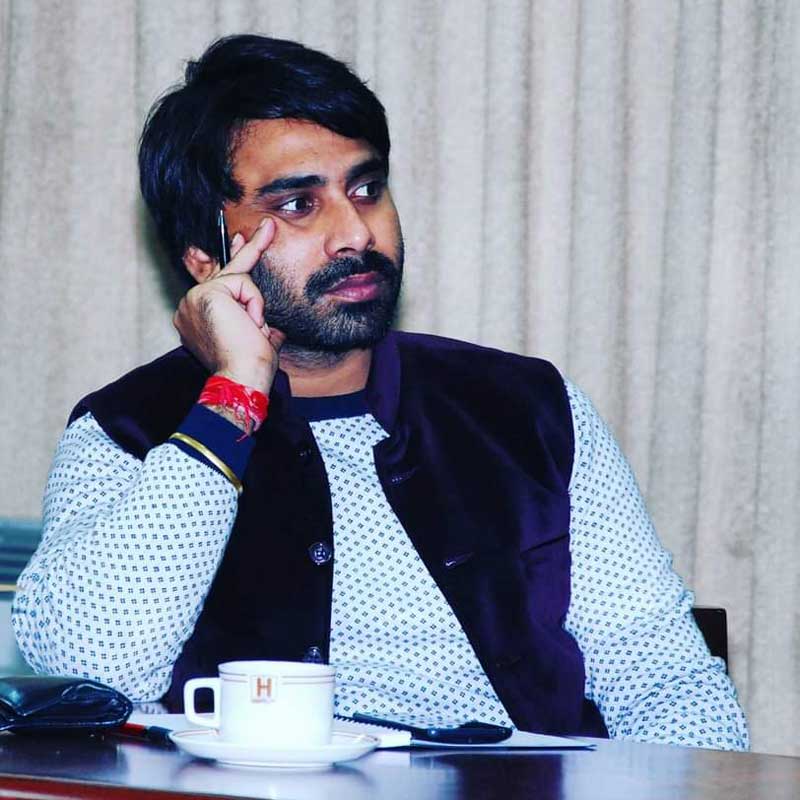
Nishant Kumar AzadNishant Kumar Azad
Aug 24, 2025, 07:15 pm IST
in Bharat, Books
Follow on Google News
FacebookTwitterWhatsAppTelegramEmail
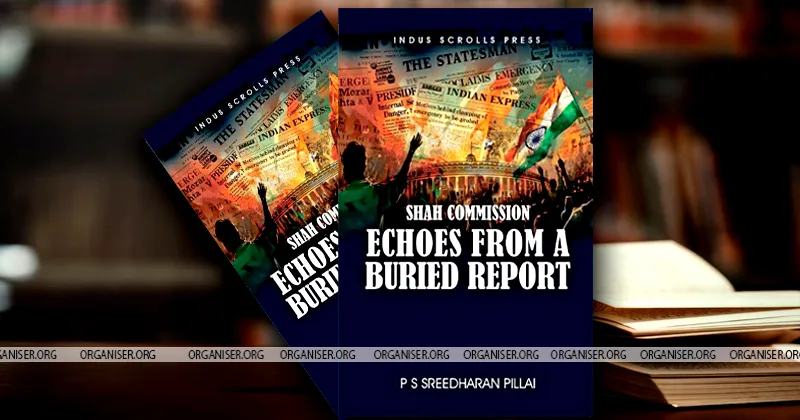
Title:Shah Commission: Echoes from a Buried Report; Author: PS Sreedharan Pillai ; Publisher: Indus Scrolls Press; Price: Rs 499.00

The Shah Commission of Inquiry was instituted by the Janata Party Government on May 28, 1977, under the Commissions of Inquiry Act, 1952. Headed by Justice JC Shah, a former Chief Justice of India, the Commission was tasked with investigating the gross misuse of power and violations of civil liberties during the Emergency period (1975–77), declared by Prime Minister Indira Gandhi. This period remains one of the most controversial  chapters in Bharat’s democratic history.

The Commission’s findings were deeply unsettling. Thousands of citizens were detained without trial, often under draconian laws like the Maintenance of Internal Security Act (MISA). Press freedom was strangled, with newspapers subjected to pre-censorship and journalists harassed. Democratic institutions were systematically undermined, and bureaucrats were coerced into serving political ends rather than constitutional mandates. Opposition leaders were imprisoned, some reportedly tortured, and marginalised communities bore the brunt of forced sterilisations and arbitrary demolitions.

Between 1978 and 1979, the Commission submitted three comprehensive reports, meticulously documenting how power was concentrated in the hands of a few and wielded to suppress dissent. The Morarji Desai Government began acting on these revelations, initiating legal and administrative reforms.

However, when Indira Gandhi returned to power in 1980, she swiftly halted all proceedings, recalled copies of the reports, and ordered their destruction—an act widely condemned as a serious breach of democratic accountability and historical transparency.

When Indira Gandhi returned to power in 1980, she swiftly halted all proceedings, recalled copies of the reports, and ordered their destruction—an act widely condemned as a serious breach of democratic accountability and historical transparency

Despite official attempts to erase its legacy, the Shah Commission Report endures as a stark reminder of how democratic systems can be subverted. It offers timeless insights into the dangers of unchecked executive power, the fragility of civil liberties, and the importance of institutional safeguards.

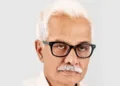
The book Shah Commission: Echoes from a Buried Report by PS Sreedharan Pillai, a seasoned lawyer and former Governor of Goa, revives this forgotten chapter. Released as Bharat marks 50 years since the Emergency, the book re-examines the salvaged report through a legal and constitutional lens, reigniting debate on democratic values, human rights, and institutional integrity. The author brings out certain interesting details about the conduct of inquiry by the Commission. He states: “The Shah Commission report was prepared through a meticulous process of inquiry. The Commission had invited complaints from the public. The well publicised invitation from the Commission resulted in the citizens submitting about 48,500 written complaints to the Commission before the deadline of July 31, 1977. The Commission very meticulously categorised these complaints, and the important cases were prioritised for inquiry. The public hearings, recording of statements of witnesses, etc. began on September 29, 1977. The witnesses who testified before the Shah Commission included former Ministers in the Indira Gandhi Government, bureaucrats and also the victims who suffered the torture and excesses at the hands of the Government machinery. Notably Mrs. Indira Gandhi declined to take oath or make solemn affirmation before the Commission, or to answer the questions put by the Commission. Instead, Ms. Gandhi refused to cooperate with the Commission.”

Shri Pillai also explores the socio-political and international ramifications of the Emergency, highlighting efforts made by civil society and legal scholars to preserve the report’s legacy. Shri Pillai who has participated in agitation against the Emergency as a student leader has written two more books on the topic–Democracy Enchained, Nation Disgraced and Dark Days of Democracy. In these books, he has highlighted the role played by the Rashtriya Swayamsevak Sangh in building public opinion against Emergency.

This work stands as a valuable resource for scholars, lawyers, journalists, policymakers, and citizens committed to defending democracy. It reminds us that truth, though buried, can be resurrected—and must be, if democratic memory is to endure.

 

Topics: emergencyIndira GandhiMorarji Desai GovernmentShah Commission of Inquiry
Nishant Kumar Azad
Nishant Kumar Azad
@azad_nishantNishant Kumar Azad works as a Senior Correspondent in the Organiser which is the oldest and most widely circulated nationalist English weekly of Bharat. An ambulatory reporter, he predominantly writes about political issues, with a particular underscoring on state politics in Jammu & Kashmir and West Bengal. Withal, he has an enthrallment for intersections of politics and society and its heft on our daily life. His journalistic works have often been adduced in Parliament Library compendiums. He has conducted interviews with conspicuous political figures, cultural emissaries, and sports stars. He is noted for his work as a pollster and for being the sole journalist in India who went on the ground to cover the post-election violence in West Bengal and met the rape victims. [Read more]
ShareTweetSendShareSend
✮ Subscribe Organiser YouTube Channel. ✮
✮ Join Organiser's WhatsApp channel for Nationalist views beyond the news. ✮
Previous News

Under the Cover of Care: How ‘Treatment’ camps are allegedly pushing religious conversion in parts of West Bengal

Next News

Gujarat: BSF arrests 15 Pakistani fishermen in Kutch, seizes engine-fitted boat

Related News

PM Narendra Modi disguised as a Sardar during 1975 Emergency (This is an AI generated image)

Emergency 1975: How young Narendra Modi worked underground to support families of jailed satyagrahis

The Emergency: India’s darkest chapter, the struggle for democracy and the ban on the RSS

Fifty years after the Emergency, India reflects on a defining test of democracy, freedom and citizen resilience

The Emergency at Fifty: Democracy’s darkest hour, India’s finest test

History of Venezuela Earthquakes: How the oil rich nation remains engulfed in natural, political, economic & crises

Emergency Anniversary: Jaishankar says 1975 tested India's Democracy

Samvidhan Hatya Diwas: EAM Jaishankar recalls 1975 Emergency, lauds those who stood up for constitutional values

RSS struggle to defend the Constitution during the Emergency

Samvidhan Hatya Diwas: Revisiting RSS’s role in defending India’s Constitution & democratic freedoms during 1975-77

Load More

Latest News

Suicide bomber detonates bomb at Rangers HQ in Karachi; At least 9 people reportedly killed

Karachi Blasts: Jamaat Ul Ahrar – splinter group of TTP claims responsibility; 9 killed including 6 Sindh Rangers

A representative image generated using AI

Exclusive | ‘He is only a Muslim’: Inside Madras HC judgment striking down Backward Class Muslim status for converts

St Peter & Paul Sea Foods Exports

Tiruvallur Ammonia Gas Leak: Death toll rises to 15; BJP questions delay in action, seeks Rs 25 lakh compensation

The Dark Days of Emergency: How despotic rule censored iconic ‘Sholay’ climax to serve political power

ISRO successfully tests next-gen semi-cryogenic rocket engine; Key milestone as India moves closer to Gaganyan mission

Europe Boils: Heatwave kills 100+ sparking public health emergency; Exposes the dark side of western model of growth

ANCHOR was released during the 3rd BRICS Neuroscience Symposium 2026

IIT Madras unveil ‘ANCHOR,’ the world’s most detailed 3D atlas of human brainstem

MC Sreedhara Varma Raja, hereditary trustee of Shree Tirumandhamkunnu Bhagavati Temple in Perinthalmanna, Malappuram

Keralam: Hereditary trustee takes over Tirumandhamkunnu temple after Devaswom board defies HC verdict

Karnataka sprinter Unnathi Aiyappa

Karnataka sprinter Unnathi Aiyappa eyes Asian Games medal after qualifying in 200m

Florida has witnessed a series of incidents involving extremist violence and debates over religiously exclusive economic networks

Islamists threaten Florida’s security and freedom with parallel economy and radical extremism

Load More
  • Privacy
  • Terms
  • Cookie Policy
  • Refund and Cancellation
  • Delivery and Shipping

© Bharat Prakashan (Delhi) Limited.
Tech-enabled by Ananthapuri Technologies

  • Home
  • Search Organiser
  • Bharat
    • Assam
    • Bihar
    • Chhattisgarh
    • Jharkhand
    • Maharashtra
    • View All States
  • World
    • Asia
    • Africa
    • North America
    • South America
    • Europe
    • Australia
  • Editorial
  • Operation Sindoor
  • Opinion
  • Analysis
  • Defence
  • Culture
  • Sports
  • Business
  • RSS @ 100
  • Entertainment
  • More ..
    • Sci & Tech
    • Vocal4Local
    • Special Report
    • Education
    • Employment
    • Books
    • Interviews
    • Travel
    • Health
    • Politics
    • Law
    • Economy
    • Obituary
  • Subscribe Magazine
  • Read Ecopy
  • Advertise
  • Circulation
  • Careers
  • About Us
  • Contact Us
  • Policies & Terms
    • Privacy Policy
    • Cookie Policy
    • Refund and Cancellation
    • Terms of Use

© Bharat Prakashan (Delhi) Limited.
Tech-enabled by Ananthapuri Technologies