





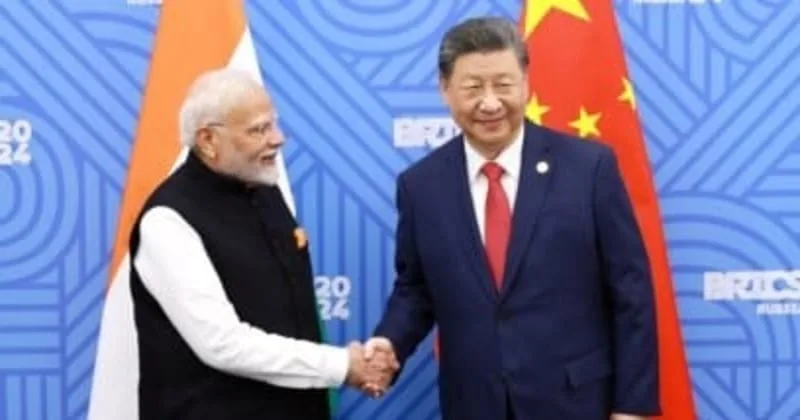
India and China are showing clear signs of rapprochement after years of tension following the 2020 Galwan clash, with recent diplomatic, trade, and travel developments signalling a gradual return to normalcy. Key indicators include Beijing easing restrictions on urea exports to India, New Delhi resuming tourist visas for Chinese citizens, and the restoration of direct flights between the two nations. The renewed engagement comes against the backdrop of US President Donald Trump’s tariff war and divisive policies on Russian crude oil that have unsettled both Asian giants.
Trade has been a central factor in this thaw. In 2024- 25, India imported 5.7 million tonnes of urea, 20% less than the previous year, primarily due to reduced shipments from China. India imported 1.87 million tonnes of urea from China in 2023-24. However, this has come down to 1 million tonnes of urea in the 2024-25 financial year. It is against this backdrop that China is easing restrictions.
Diplomatic movement has been equally significant. India recently lifted post-Covid restrictions on granting tourist visas to Chinese nationals and instructed airlines to restart direct routes suspended since 2020. These steps follow a series of high-level visits to Beijing by Defence Minister Rajnath Singh, External Affairs Minister S. Jaishankar, and National Security Advisor Ajit Doval, seen as groundwork for more substantive talks.
The most visible milestone in this renewed engagement will come on August 31, when Prime Minister Narendra Modi travels to China for the Shanghai Cooperation Organization summit, his first visit since 2019. A bilateral meeting with Chinese President Xi Jinping is expected to take place during the summit. The discussions are likely to address both economic cooperation and unresolved border issues, as the troop disengagement agreement aimed at restoring the pre-Galwan status quo by October 2024 remains incomplete in certain sectors.
The warming trend is notable given the recent deterioration in India-US trade relations over tariffs linked to Russian oil imports. In this shifting geopolitical context, both New Delhi and Beijing appear willing to re-engage pragmatically, balancing competition with cooperation to safeguard their economic and strategic interests. The coming months will reveal whether these signs of normalisation translate into a lasting reset in one of Asia’s most consequential bilateral relationships.













Comments