





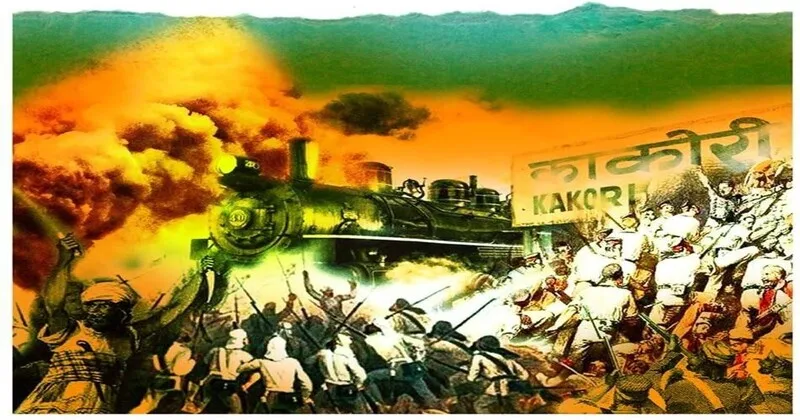
The train whistle pierced the evening air on August 9, 1925, as the Number 8 Down approached the small station of Kakori near Lucknow. Within moments, ten young men would transform this routine journey into one of the most audacious acts of armed resistance against British rule in India. Led by Ram Prasad Bismil and Ashfaqullah Khan, these revolutionaries of the Hindustan Republican Association did not merely commit a robbery—they executed a carefully planned political statement that would reverberate through the corridors of colonial power and inspire a generation of freedom fighters. The Kakori conspiracy stands as a testament to the intellectual courage and strategic vision of India’s young revolutionaries, challenging the narrative that reduces them to reckless youth driven by emotion rather than ideology.
The revolutionary activities of the 1920s emerged from a profound disillusionment with Mahatma Gandhi’s suspension of the Non-Cooperation Movement following the Chauri Chaura incident in 1922. This decision created a political vacuum that radical nationalists sought to fill through organized armed resistance. The Hindustan Republican Association, founded in 1924, represented a new breed of revolutionary thinking that combined militant nationalism with sophisticated organizational structures and clear ideological objectives. Unlike earlier sporadic acts of individual heroism, the HRA embodied a systematic approach to overthrowing colonial rule through coordinated revolutionary action.
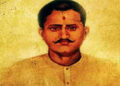
The Association’s founders—Ram Prasad Bismil, Sachindra Nath Sanyal, and Jogesh Chandra Chatterjee—were not merely frustrated youth but intellectuals deeply influenced by global revolutionary movements. Bismil, born on June 11, 1897, was a accomplished poet, writer, and translator who had mastered Hindi, Urdu, and Sanskrit. His early involvement with the Arya Samaj and exposure to Swami Dayananda Saraswati’s writings shaped his philosophical foundations. Ashfaqullah Khan, born on October 22, 1900, was equally accomplished, writing poetry under the pseudonym “Hasrat” and embodying the secular ideals that would define the organization. These were educated men who understood the complexities of colonial exploitation and sought to address them through revolutionary praxis rather than constitutional methods.
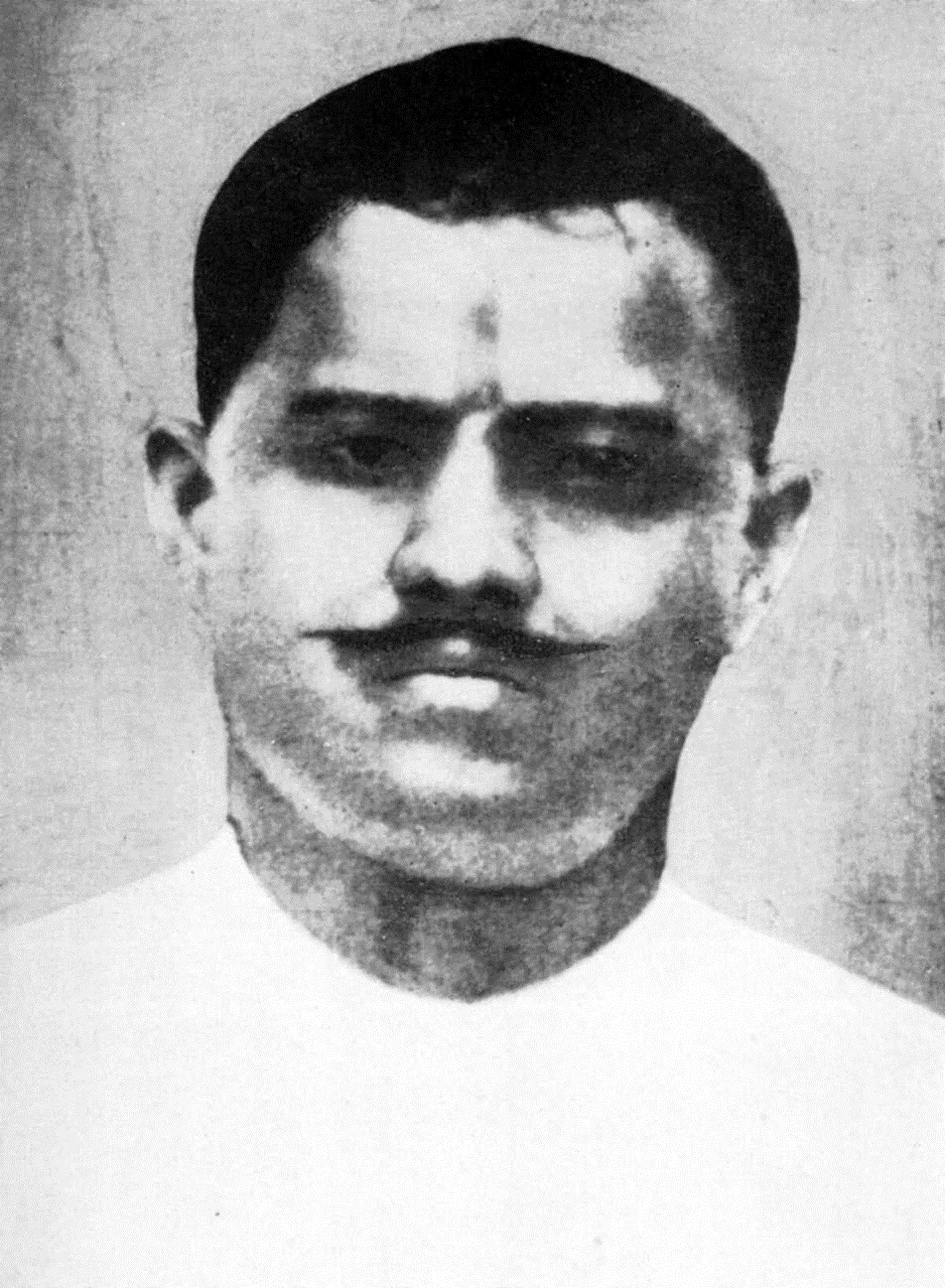
The philosophical underpinnings of the HRA drew from multiple intellectual traditions that elevated their cause beyond mere anti-colonial sentiment. The manifesto titled “The Revolutionary,” released on January 1, 1925, proclaimed the establishment of a “Federal Republic of the United States of India” through organized armed revolution. This document, largely authored by Bismil, demonstrated sophisticated political thinking that envisioned universal adult suffrage, nationalization of major industries, and the abolition of systems that enabled human exploitation. The revolutionaries explicitly rejected the label of “terrorists” while acknowledging that revolutionary violence might be necessary as “a very effective means of retaliation” against colonial oppression.
The intellectual influences shaping these young minds were diverse and global in scope. Bal Gangadhar Tilak’s concept of Swaraj as a birthright and his militant nationalism provided the foundational framework for armed resistance. Tilak’s interpretation of the Bhagavad Gita, which emphasized karma-yoga or the yoga of action, justified revolutionary violence as a moral duty in the face of oppression. Sri Aurobindo’s revolutionary philosophy further reinforced this perspective, arguing that freedom could only be achieved through “purification by blood and fire” rather than prayer and petition. Aurobindo’s extensive network of revolutionary contacts across Bengal and his emphasis on complete independence rather than mere self-governance influenced the HRA’s uncompromising stance toward British rule.
The Russian Revolution of 1917 provided perhaps the most significant ideological inspiration for the Kakori conspirators. The Bolshevik success in overthrowing the Tsarist regime demonstrated that organized revolutionary action could topple seemingly invincible imperial systems. The revolution introduced socialist ideology and the concept of class struggle to Indian revolutionary discourse, leading to increased emphasis on workers’ and peasants’ rights. Ashfaqullah Khan explicitly acknowledged this influence in his final writings from prison, expressing solidarity with “poor peasants and helpless workers” and condemning the exploitation perpetrated by British masters and their Indian collaborators. The Russian model of using revolutionary robberies to fund armed resistance provided direct tactical inspiration for the Kakori operation.
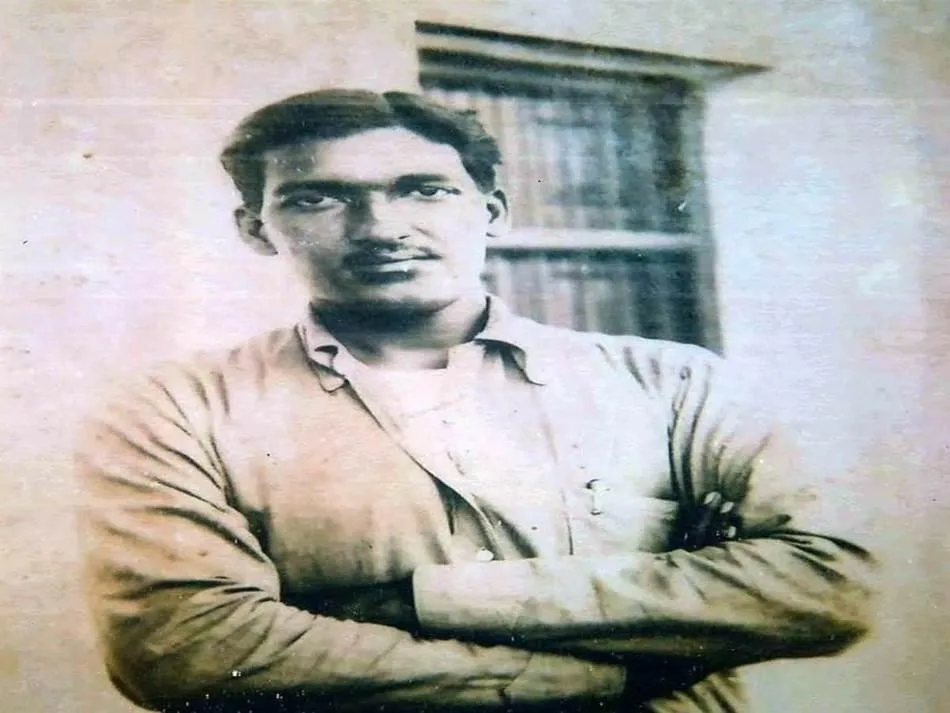
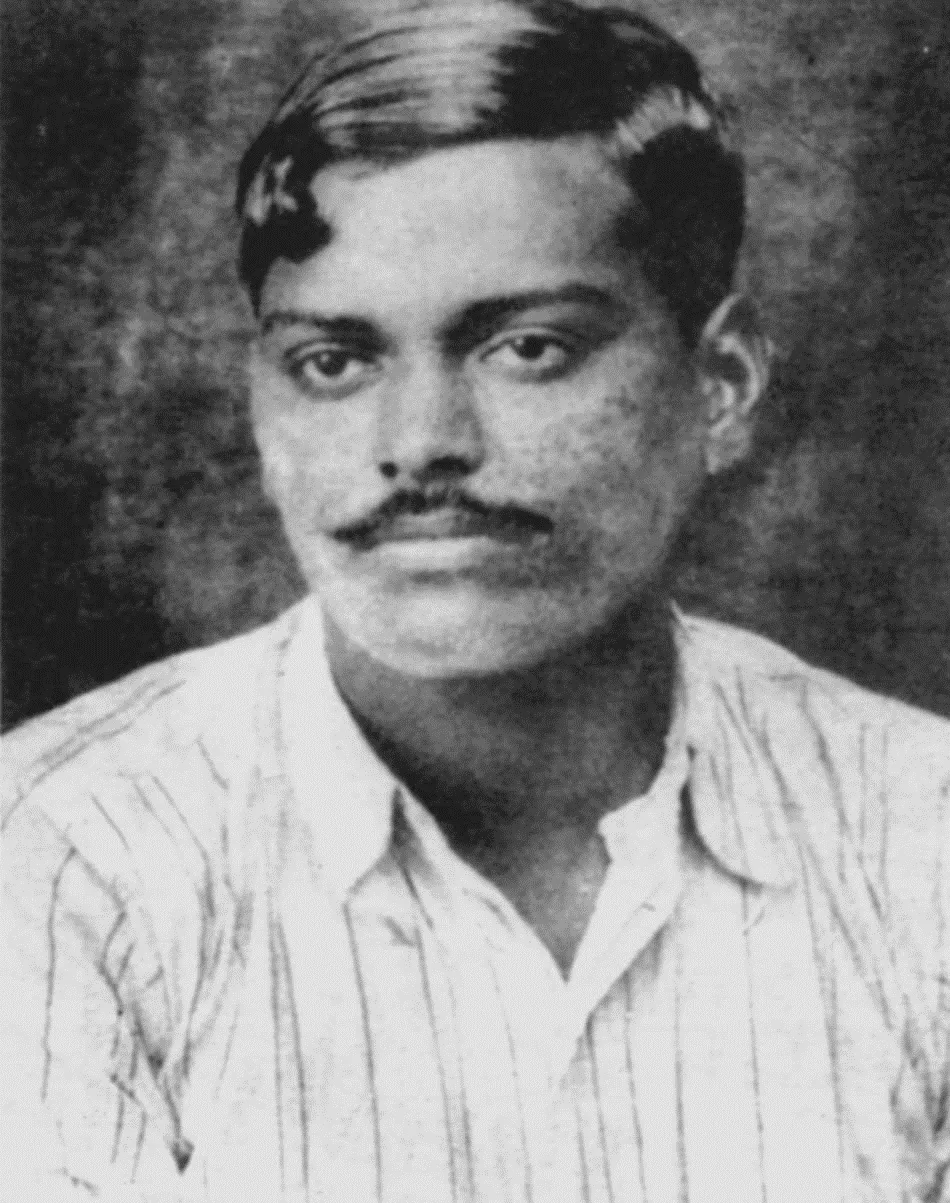
The robbery itself reflected careful strategic planning rather than impulsive adventurism. The HRA meeting on August 8, 1925, at Shahjahanpur determined that robbing government treasury funds would serve multiple objectives: financing revolutionary activities, creating positive publicity for their cause, and demonstrating British vulnerability. The selection of the Saharanpur-Lucknow train was deliberate—it carried tax revenues collected from Indians that would be deposited in British coffers. The operation, executed by ten revolutionaries including Bismil, Ashfaqullah Khan, Rajendra Lahiri, Chandrashekhar Azad, and others, successfully captured approximately ₹8,000 while minimizing civilian casualties.
Rajendra Lahiri’s role in pulling the emergency chain exemplified the calculated nature of the operation. A Master of Arts student in History at Banaras Hindu University, Lahiri represented the intellectual caliber of the revolutionary movement. His background in Dacca’s revolutionary activities and his principled rejection of upper-caste Hindu traditions demonstrated the social progressive aspects of the HRA’s ideology. The fact that an accomplished academic would risk his life for the cause underscores the movement’s appeal to educated youth who saw armed resistance as the only viable path to independence.
The British response to Kakori revealed both the threat posed by organized revolutionary activity and the colonial state’s desperation to crush dissent through exemplary punishment. The extensive manhunt that followed the robbery resulted in forty arrests and demonstrated the breadth of revolutionary networks across northern India. The trial proceedings, lasting eighteen months under Special Magistrate A.H. Hamilton, became a showcase for revolutionary ideology as the accused used the courtroom to articulate their political vision. The defense, led by prominent lawyers including Gobind Ballabh Pant, challenged not merely the specific charges but the legitimacy of colonial rule itself.
The sedition charges brought against the Kakori conspirators reflected the colonial state’s recognition that these were not common criminals but political revolutionaries challenging the foundations of imperial authority. Section 124A of the Indian Penal Code, originally drafted to suppress the “liberty of the citizen,” as Gandhi had described it, became the primary weapon against revolutionary activities. The broad definition of sedition—encompassing any attempt to “excite disaffection towards the government”—enabled authorities to criminalize revolutionary literature, political meetings, and even expressions of solidarity with the independence movement. The use of sedition law against the Kakori conspirators established precedents that would be employed against subsequent generations of revolutionaries, including Bhagat Singh and his associates.
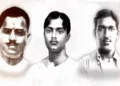
The executions of December 1927 transformed the Kakori conspirators from living revolutionaries into powerful martyrs whose sacrifice would inspire future generations. Rajendra Lahiri’s execution on December 17, two days before the scheduled date, reflected British fears of potential rescue attempts or mass demonstrations. The simultaneous hangings of Ram Prasad Bismil at Gorakhpur, Ashfaqullah Khan at Faizabad, and Roshan Singh at Naini on December 19 were designed to prevent coordinated protests. However, these calculated moves by colonial authorities backfired, creating martyrs whose memory would galvanize the revolutionary movement for decades to come.
The final writings and statements of the condemned revolutionaries revealed the depth of their ideological commitment and their vision for post-independence India. Bismil’s autobiography, written secretly in Gorakhpur jail while awaiting execution, provided detailed insights into his revolutionary philosophy and his hopes for Hindu-Muslim unity. His final message emphasized that true tribute to their sacrifice would come through establishing communal harmony—a prescient observation given the subsequent trajectory of Indian politics. Ashfaqullah Khan’s prison letters demonstrated his commitment to socialist principles and his concern for India’s exploited masses. His message to fellow revolutionaries, smuggled out of Faizabad jail days before his execution, revealed his unwavering faith in the revolutionary cause despite facing imminent death.
The transformation of the Hindustan Republican Association into the Hindustan Socialist Republican Association following the Kakori executions represented the evolution of revolutionary ideology under the impact of martyrdom. Chandrashekhar Azad, who had
escaped capture during the initial arrests, emerged as the key figure in reorganizing the movement. The meeting at Feroz Shah Kotla in Delhi on September 9-10, 1928, brought together revolutionaries from across northern India to establish the HSRA under collective leadership with explicit socialist objectives. This transformation attracted a new generation of revolutionaries, including Bhagat Singh, Sukhdev, and Rajguru, who would carry forward the legacy of Kakori while adapting its methods to changing circumstances.
Bhagat Singh’s intellectual development was profoundly influenced by the Kakori martyrs, whose sacrifice demonstrated both the possibilities and limitations of armed revolutionary action. Singh’s writings in various newspapers and magazines, including his articles on Bismil and Ashfaqullah Khan, helped propagate their revolutionary ideology among younger audiences. The HSRA’s subsequent activities—the assassination of J.P. Saunders to avenge Lala Lajpat Rai’s death, the bombing of the Central Legislative Assembly, and the hunger strikes in prison—all reflected tactical lessons learned from the Kakori experience. The emphasis on creating revolutionary consciousness through dramatic acts while articulating clear political demands showed the continuing influence of HRA’s strategic thinking.
The broader impact of the Kakori conspiracy on India’s freedom movement extended far beyond its immediate participants. The demonstration that organized revolutionary groups could successfully challenge British authority inspired similar activities across the subcontinent. The Chittagong Armoury Raid, led by Surya Sen, and various revolutionary activities in Bengal, Punjab, and other regions drew tactical and ideological inspiration from the Kakori model. The integration of socialist ideology with nationalist resistance, pioneered by the HRA, would become a defining characteristic of radical anti-colonial movements throughout the 1930s and beyond.
The Kakori conspiracy also established important precedents for the relationship between revolutionary violence and mass political movements. Unlike anarchist terrorism that sought to create fear and chaos, the HRA’s actions were designed to inspire popular support and demonstrate the possibility of successful resistance. The careful selection of targets—government treasury rather than innocent civilians—and the minimal use of violence during operations showed a principled approach to revolutionary activity. This strategic restraint helped maintain public sympathy for the revolutionaries even when their methods were controversial, contributing to the broader legitimacy of the independence movement.
The legacy of intellectual courage demonstrated by the Kakori revolutionaries challenges contemporary attempts to reduce complex historical movements to simple narratives of martyrdom or terrorism. These young men possessed a sophisticated understanding of colonial exploitation, a clear vision for post-independence society, and the strategic acumen to organize effective resistance against a powerful imperial state. Their writings, manifestos, and final statements reveal minds grappling with fundamental questions of justice, governance, and social transformation that remain relevant to contemporary political discourse. The fact that they were willing to sacrifice their lives for these ideals demonstrates a level of intellectual and moral commitment that transcends narrow categorizations.
The Kakori conspiracy represents a crucial bridge between early revolutionary activities and the more sophisticated political movements of the 1930s. The HRA’s emphasis on federal republicanism, universal suffrage, and socialist economic policies provided a template for post-independence political development that would influence constitutional debates decades later. Their vision of secular nationalism, embodied in the friendship between Bismil and Ashfaqullah Khan, offered an alternative to the communal politics that would eventually divide the independence movement. The intellectual foundations they established continued to inspire revolutionary activities until independence, making them not merely martyrs but architects of India’s liberation struggle.
Their legacy reminds us that revolutionary movements succeed not through emotional appeals alone but through the careful cultivation of political consciousness, the development of organizational structures, and the articulation of compelling visions for social transformation. In recognizing the young revolutionaries of Kakori as thinkers with a vision rather than reckless youth, we honor both their sacrifice and their intellectual contributions to India’s journey toward independence and social justice.













Comments