Indigenous dry Kaveri engine gears up for Russian trials
August 13, 2026
  • Read Ecopy
  • Circulation
  • Advertise
  • Careers
  • About Us
  • Contact Us
Android AppiPhone AppArattai
Organiser
  • ‌
  • Bharat
    • Assam
    • Bihar
    • Chhattisgarh
    • Jharkhand
    • Maharashtra
    • View All States
  • World
    • Asia
    • Europe
    • North America
    • South America
    • Africa
    • Australia
  • Editorial
  • International
  • Opinion
  • RSS @ 100
  • More
    • Op Sindoor
    • Analysis
    • Sports
    • Defence
    • Politics
    • Business
    • Economy
    • Culture
    • Special Report
    • Sci & Tech
    • Entertainment
    • G20
    • Azadi Ka Amrit Mahotsav
    • Vocal4Local
    • Web Stories
    • Education
    • Employment
    • Books
    • Interviews
    • Travel
    • Law
    • Health
    • Obituary
  • Subscribe
    • Subscribe Print Edition
    • Subscribe Ecopy
    • Read Ecopy
  • ‌
  • Bharat
    • Assam
    • Bihar
    • Chhattisgarh
    • Jharkhand
    • Maharashtra
    • View All States
  • World
    • Asia
    • Europe
    • North America
    • South America
    • Africa
    • Australia
  • Editorial
  • International
  • Opinion
  • RSS @ 100
  • More
    • Op Sindoor
    • Analysis
    • Sports
    • Defence
    • Politics
    • Business
    • Economy
    • Culture
    • Special Report
    • Sci & Tech
    • Entertainment
    • G20
    • Azadi Ka Amrit Mahotsav
    • Vocal4Local
    • Web Stories
    • Education
    • Employment
    • Books
    • Interviews
    • Travel
    • Law
    • Health
    • Obituary
  • Subscribe
    • Subscribe Print Edition
    • Subscribe Ecopy
    • Read Ecopy
Organiser
  • Home
  • Bharat
  • World
  • Operation Sindoor
  • Editorial
  • Analysis
  • Opinion
  • Culture
  • Defence
  • International Edition
  • RSS @ 100
  • Magazine
  • Read Ecopy
Home Bharat

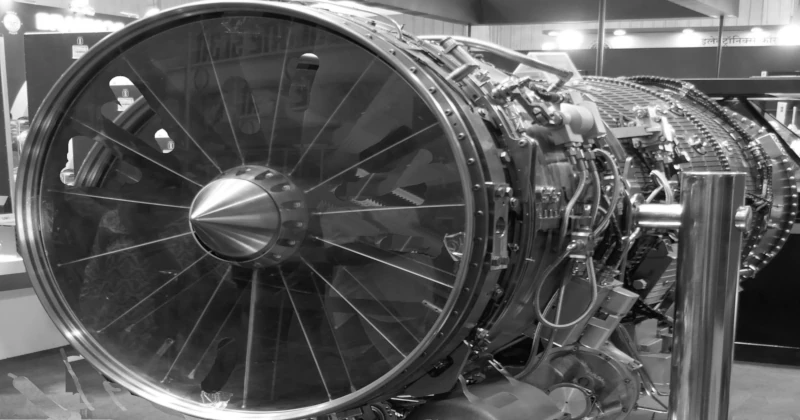
Atmanirbhar Bharat takes flight: Indigenous dry Kaveri engine gears up for Russian trials to power RPSA

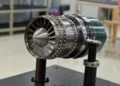
India's indigenously developed Dry Kaveri engine is set for high-altitude tests in Russia this September after nearly a year-long delay due to scheduling issues. Once cleared, it will power the RPSA and may also undergo trials on an LCA Tejas, pending IAF approval

WEBDESKWEBDESK
Jun 3, 2025, 07:20 pm IST
inBharat
Follow on Google News
Facebook
Twitter
WhatsAppTelegramEmail

After enduring nearly a year-long delay, India’s ambitious indigenous jet engine project the Dry Kaveri engine is finally on the threshold of a critical milestone. Developed by the Gas Turbine Research Establishment (GTRE) under the Defence Research and Development Organisation (DRDO), the engine is now set for full-cycle high-altitude testing in Russia by September this year.

This isn’t the Dry Kaveri’s first trip abroad. The engine has previously undergone evaluation aboard a modified Ilyushin IL-76 Flying Test Bed (FTB) in Russia. However, critical design adjustments and snags identified during past runs led GTRE to bring it back to India for rectification. With those refinements reportedly complete, the indigenous powerplant is once again heading to Russian skies for its most crucial validation phase yet.

The DRDO had initially planned to dispatch the engine for final high-altitude and FTB trials as early as November 2024. However, high demand at the Russian test facility caused repeated scheduling setbacks, pushing the testing window through December, January, and now finally to September 2025. Despite these delays, efforts are ongoing to secure an earlier test slot—though confirmation remains elusive.

#KaveriCalling 🇮🇳#DryKaveriEngine awaits full-cycle high-altitude tests in Russia | Set to power #RPSA once clearedhttps://t.co/M2kqFb1m0L

✔️ After nearly a year’s wait, the #DryKaveriEngine developed by GTRE for #RPSA is scheduled to reach Russia in September.
✔️ This is… pic.twitter.com/WHIUxIjZTs

— Anantha Krishnan M🇮🇳 (@writetake) May 29, 2025

A senior defence official, speaking on condition of anonymity, said: “We’ve been in continuous talks to expedite the test schedule. The backlog at the facility has been a major hurdle, but all key parameters of the engine are now aligned for flight certification. We are prepared to ship as soon as we receive a green signal.”

The Dry Kaveri is a non-afterburning turbofan derivative of the original Kaveri engine and has been earmarked to power the upcoming Remotely Piloted Strike Aircraft (RPSA) a critical part of India’s future air combat ecosystem. The RPSA, a stealthy unmanned aerial combat vehicle (UCAV), is designed for deep-strike missions, and the Dry Kaveri’s successful induction will mark a generational leap for India’s military self-reliance under the “Atmanirbhar Bharat” initiative.

Parallel testing on Tejas planned, pending IAF nod

In tandem with the upcoming tests in Russia, GTRE and DRDO are also exploring plans to integrate the Dry Kaveri onto an LCA Tejas airframe most likely a Prototype Vehicle (PV) for in-country flight evaluations. However, this testbed project hinges on formal clearance from the Indian Air Force (IAF), which is expected to grant permission only after successful completion of the Russian trials.

A DRDO scientist involved in the programme noted: “We are confident that the engine will pass high-altitude tests, but IAF’s confidence is crucial before committing to flight trials on Tejas. Safety margins must be met, and the Russian FTB runs are key to proving viability.”

Also Read: Asian Athletics Championships 2025: India bags 24 medals to claim 2nd spot – Check full list of medal winners

The Kaveri engine programme, which began in the 1980s, faced multiple setbacks over the decades, primarily due to technological bottlenecks and lack of access to cutting-edge materials. While the full-fledged afterburning version fell short of powering the LCA Tejas in the past, the Dry Kaveri’s recent resurrection and potential application in unmanned platforms marks a strategic pivot in DRDO’s propulsion roadmap.

The upcoming Russian test campaign will include high-altitude performance evaluations, thermal stress testing, and integration trials with the IL-76 FTB—a crucial step before flight-worthiness certification. If successful, the Dry Kaveri could soon become the first fully indigenous jet engine to power an operational Indian military aircraft—a landmark moment for the country’s aerospace sovereignty.
Topics: DRDODry KaveriGas Turbine Research EstablishmentGTREDry Kaveri jet engine
Share
Tweet
SendShareSend
✮ Subscribe Organiser YouTube Channel. ✮
✮ Join Organiser's WhatsApp channel for Nationalist views beyond the news. ✮
Previous News

The Global Terror Nexus: A chronological exploration of Pakistan’s role in international geopolitics and terrorism

Next News

Tamil Nadu: In Madurai show of strength, DMK recycles dravidian demands as ground slips beneath its feet

Related News

Representative Image

Agni 4 Successfully Tested: Indigenous nuclear-powered ballistic missile seals strategic deterrence & combat readiness

DRDO calls MSMEs to build swarm drones; The game-changing tech to consolidate India’s capabilities in next-gen warfare

DRDO's seven flagship programmes reflect India's expanding indigenous defence ecosystem and its drive towards strategic self-reliance

DRDO lists seven indigenous defence technologies that place India among the world’s advanced military powers

AI Generated Image

Project Kusha: DRDO successfully tests indigenous missile; A key to craft Sudarshana Chakra to seal national security

DRDO Develops Indigenous Expendable Turbojet Engine for Defence

DRDO develops India’s first indigenous 350-kg thrust class expendable turbojet engine

ASTRA Missile

Saudi Arabia eyes India’s Astra Mk1 missile for F-15 fleet, boosting indigenous defence export prospects globally

Load More

Latest News

Keralam: NIA seizes massive 89,600 explosive sticks in Malappuram, reports suggest Kerala Kumbh Mela was target

August 14 is observed as Partition Horrors Remembrance Day

From Crushing 1857 Jihad to Muslim Appeasement: British and Gandhi’s policies that helped partition India

Ousted President of Syria Bashar al-Assad sentenced to death

Syria: Ousted President Assad sentenced to death for crimes against humanity; Will verdict aid extradition from Russia?

Bar Council of India defers enrolment of NALSAR’s 2026 law graduates, seeks report over campaign targeting CJI

1947 Partition and Bengal: The unvarnished truth

Bastar Dussehra Begins in Jagdalpur:

Bastar Dussehra Begins in Jagdalpur: A 75-day celebration of tribal faith, tradition and cultural heritage

Hyderabad MP Asaduddin Owaisi and Telangana CM Revanth Reddy (Left Box)

ECI rejects Telangana Family Register Certificate for SIR; Owaisi misled CM Revanth Reddy and Hyderabad voters

1947 Partition and Bengal: The colonial machinations

Kerala General Education Minister N. Shamsudheen (Left) - K.K. Mohammed Ashraff (Right)

Keralam: Jamaat-e-Islami-linked Welfare Party functionary in Education Minister’s staff raises influence concerns

Akali Dal chief Sukhbir Badal attacked by Nihang near gurdwara in Maharashtra’s Nanded; One held

Load More
  • Privacy
  • Terms
  • Cookie Policy
  • Refund and Cancellation
  • Delivery and Shipping

© Bharat Prakashan (Delhi) Limited.
Tech-enabled by Ananthapuri Technologies

  • Home
  • Search Organiser
  • Bharat
    • Assam
    • Bihar
    • Chhattisgarh
    • Jharkhand
    • Maharashtra
    • View All States
  • World
    • Asia
    • Africa
    • North America
    • South America
    • Europe
    • Australia
  • Editorial
  • Operation Sindoor
  • Opinion
  • Analysis
  • Defence
  • Culture
  • Sports
  • Business
  • RSS @ 100
  • Entertainment
  • More ..
    • Sci & Tech
    • Vocal4Local
    • Special Report
    • Education
    • Employment
    • Books
    • Interviews
    • Travel
    • Health
    • Politics
    • Law
    • Economy
    • Obituary
  • Subscribe Magazine
  • Read Ecopy
  • Advertise
  • Circulation
  • Careers
  • About Us
  • Contact Us
  • Policies & Terms
    • Privacy Policy
    • Cookie Policy
    • Refund and Cancellation
    • Terms of Use

© Bharat Prakashan (Delhi) Limited.
Tech-enabled by Ananthapuri Technologies