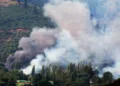
During Operation Sindoor, Indian Radar Systems detected an object heading towards the Capital. This was launched by Pakistan on May 08/09, 2025. Fortunately, Indian Air Defence Systems reacted swiftly and intercepted it over Sirsa in Haryana. It was Fatah II, as claimed by Pakistanis, a Guided Missile with a range of 450 km and improved accuracy with Advanced Guidance Systems. It has a Precision Strike Capability with a claimed Circular Error Probable (CEP) of less than 10 meters, meaning it can hit within 10 meters of its intended target. Bharat had three tiered/ layered Air Defence System comprising long range Russian S-400, medium range Akash NG and short range MR SAM/L40 and ZU 30 Anti Aircraft Guns, acting in union and synergy. One of these five engaged Pak Fateh successfully at Sirsa, 220 km West of Delhi. This missile launch was part of Pak Military Operation code named Bunyan Al Marsoos (Solid Wall of Lead). That night Pakistan fired many Drones and Missiles at 26 locations across Jammu and Kashmir, Punjab, Rajasthan and Gujarat. Most of them were successfully intercepted by Indian Air Defence Systems with minimal loss of life and property. Bharat launched a strong counter strike on the morning of May 10, 2025 destroying three major Pak Air Bases and a number of Drone Launch Pads. This reversal stunned everybody and forced them to take a note of our Advanced Air Defence System.
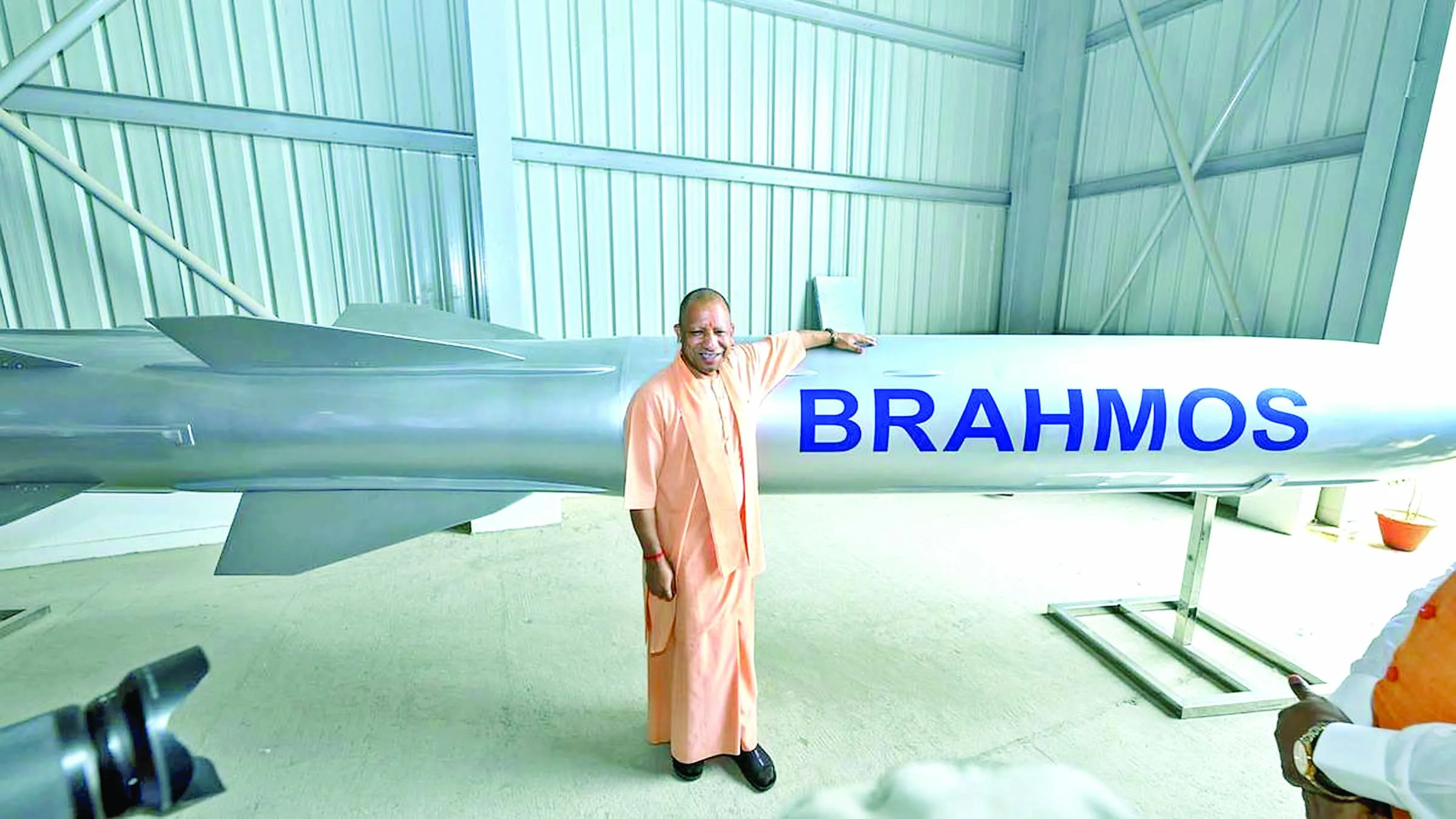
Indian Air Defence and Missiles performed very well during Operation Sindoor and destroyed Pakistani Air Defence and Air Bases putting them off road, at least for a couple of days. Therefore, it is prudent to go through evolution of the Indian Air Defence System and changes it has undergone till commencement of Operation Sindoor, both in present context and for future in Techno War Scenarios.
What Bharat has Developed
- 𝐃-𝟒 𝐀𝐧𝐭𝐢 𝐃𝐫𝐨𝐧𝐞 𝐒𝐲𝐬𝐭𝐞𝐦 developed by DRDO affects Enemy GPS Signal System and Drones System during their flight, to make it ineffective at a crucial stage
- 𝐀𝐤𝐚𝐬𝐡 𝐒𝐮𝐫𝐟𝐚𝐜𝐞 𝐭𝐨 𝐀𝐢𝐫 𝐌𝐢𝐬𝐬𝐢𝐥𝐞 (𝐒𝐀𝐌) is used for aerial protection up to range of 45 km;
- 𝐈𝐧𝐭𝐞𝐠𝐫𝐚𝐭𝐞𝐝 𝐂𝐨𝐮𝐧𝐭𝐞𝐫 𝐔𝐧𝐦𝐚𝐧𝐧𝐞𝐝 𝐒𝐲𝐬𝐭𝐞𝐦𝐬 (𝐂-𝐔𝐀𝐒) is used to find and destroy enemy Drones by making a formidable grid using Sensors, Missiles and Jammers in Unified C-UAS Grid
- 𝐏𝐢𝐧𝐚𝐤𝐚 𝐌𝐮𝐥𝐭𝐢 𝐁𝐚𝐫𝐫𝐞𝐥 𝐑𝐨𝐜𝐤𝐞𝐭 𝐋𝐚𝐮𝐧𝐜𝐡𝐞𝐫 (𝐌𝐁𝐑𝐋) is used for effective and accurate engagement/ hitting of enemy positions by quick and Centralised Fire Power which makes it formidable
- Innovation for Defence Excellence System (iDEX System) has been developed by Indian Startups with their Technical Excellence to Search, carry out Surveillance and fire by Unmanned Aerial Vehicle System. This has increased our Operational Capabilities
- Under “Missile for Each” Programme; i) Su-30 MKI Fighter Aircrafts have been fitted with Astra Missiles, ii) 𝐀𝐠𝐧𝐢 𝐏 (𝐏𝐫𝐢𝐦𝐞) 𝐁𝐚𝐥𝐥𝐢𝐬𝐭𝐢𝐜 𝐌𝐢𝐬𝐬𝐢𝐥𝐞 has been developed for gen next to increase accuracy and speed of attack which was kept on “Standby” during this operation; iii) 𝐃𝐢𝐫𝐞𝐜𝐭𝐞𝐝 𝐄𝐧𝐞𝐫𝐠𝐲 𝐖𝐞𝐚𝐩𝐨𝐧𝐬 (𝐃𝐄𝐖𝐬) developed by DRDO are used to neutralize Drones and Missiles,but have been probably deployed in small numbers. Use of these indigenous weapons are indicative of “Make in India” and “Atma Nirbhar Bharat” programme, so vehemently propagated by PM Narendra Modi since he assumed power in 2014.
In addition to these Air Defence Systems, Indian DRDO, ISRO and BEL have developed a game changer that has been probably used in Op Sindoor, known as “AkashTeer”. This is next gen, real time Targeting and Interception System, related to Autonomous Warfare. It comprises of; Satellite Grid, NAVIC powered Precision Guidance, and Autonomous Stealth Drones of ISRO culminating in a sovereign shock wave, Akash Teer. It is a fully Indigenous, Multi Layered, AI Coordinated, Satellite Linked, Autonomous Battle Swarm Defence and Assault Command System, increasing Combat Response and Airspace Control. It uses; Real Time Satellite Imagery via Earth Observation Satellites of ISRO, Precision Mapping and Target Locking via NAVIC GPS System and Autonomous Drone operating on indigenous Command Grid. It fuses Battlefield Processor Nodes, Secure Communication Channels, and Field Control Centers developed by BEL. Akash Teer is a war machine that connects Satellites, Drones, Ground Radars, Mobile War Rooms, and AI Processors with Cartosat and RISAT to self update the auto strike Defensive Cloud working as Real Time Combat Eye. It ensures 100 per cent Sovereignty of Data. NAVIC Constellation is far more reliable than GPS, giving pinpoint accuracy in difficult terrains like Mountains/ Deserts and ensures Precision Strikes. Each Akash Teer Drone carries 5–10 kg payload of Explosives, Jammers, Surveillance Kits; Flies low with Radar Absorption Technique; Self navigates based on Real Time Mission Changes and is generally invisible to Traditional Radar Systems. Such Drones are a combat Special, Intelligent Kamikaze Unit that can Enter, Observe, and Annihilate without warning. It relies on fusion of AI and Swarm Combat to avoid Human Delay. It fuses; Satellite data,Enemy radar signals, Ground movement, Weather and Terrain constraints in seconds, it Reassign missions, Select targets, and Reprogram Drone Paths.
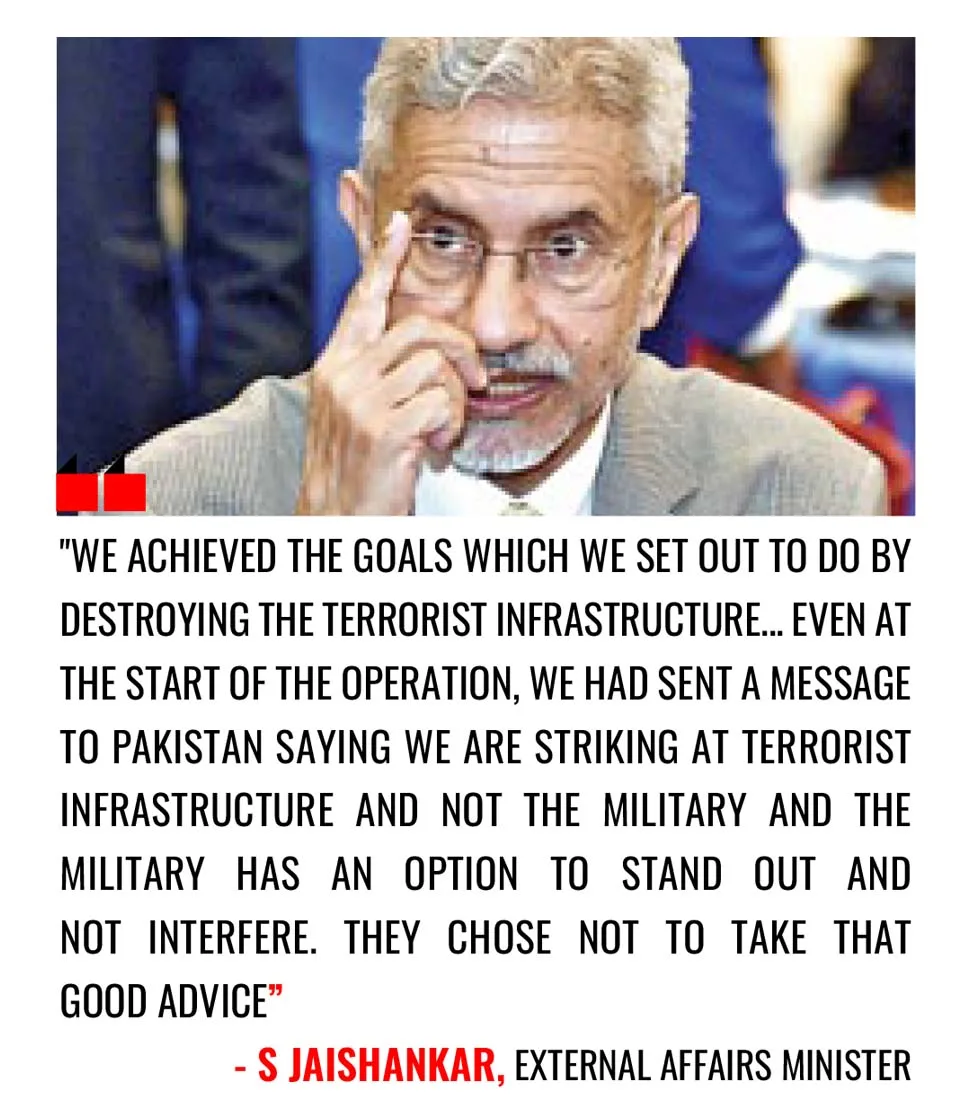
America and China must have been shocked and scrambled to analyse the Indian Air Defence System, which withstood Pak Attack and our Missile/Drone Attack/Offensive System which bypassed all Pakistani and Chinese radar shields. It is a signal of true strategic surprise to all. Compared to Bayraktar TB2 Drones of Turkey, Akash Teer Drones are lighter, faster, stealthier, and more autonomous. Radar and Air Command Centres of Pak Army failed to detect entry of Akash Teer Drones near their sensitive zones. Its response systems froze because no known signature or frequency was picked up. This has crippled her confidence in American AWACS and Chinese Anti Missile/Drone Radars which forms a formidable portion of her Air Defence. Akash Teer Air Defence System has a hundred percent indigenous tech stack. It uses Indian Chips, Processors and Guidance Systems. It has achieved Cross Agency Fusion of ISRO, BEL and DRDO to perfection to achieve Freedom in Defence. It has a rare combination of stealth, speed and swarm control in combat ready format operating from a very small Mobile Command Centre. As has been proved in Operation Sindoor, Akash Teer has redefined Battlefield Advantage for India in Tech Enabled Warfare. Under the present Government, India has superiority in the Air Defence System consisting of indigenous Air Defence Guns, Missiles and Drones, all a part of “Atma Nirbhar Bharat: Viksit Bharat” under the Modi Government.
Deploying Turkish Drones
Reportedly, Pakistan deployed swarm/waves of more than 500 low cost Turkish Drones during the night of May 09/10, 2025. Second day saw more Drones coming in. This was the start of the Technological War between India and Pakistan. Pak used a swarm tactic to overwhelm and exhaust India by low cost Drones, some for reconnaissance and some armed with Basic Explosives to test how the Indian Air Defence System of Akash, Barak 8 or S 400 responds to flooding of battlespace. This would have depleted our Ammunition, exhausted Radar Operators, and exposed our Vulnerabilities. In future; S 400 Anti Air/Missile Defence System and other Missile as well Anti Missile/Air Platforms would have to be placed in inaccessible areas, in a Grid Pattern at various locations requiring Immediate Protection. But Indian Soldiers stood the test of time.

This type of Asymmetric Warfare bankrupts Resources of Defender and enables the Offender to analyse the Response Pattern. In response,we put Pak Air Shield under Stress and collected relevant Data about his ADS Response, Radar Activation, Missile Launch and system of Electronic Counter Measures and Signatures. If Pakistan ever goes to war with India, information we have collected, could/would refine our Algorithms for a more lethal Phase 2 of Operation Sindoor. In response; we have to stay ready, scale up Laser based Defenses, enhance AI driven threat detection to prioritise high value targets over decoys. Though details are yet to be revealed, it is safe to assume that India might have used her own satellites from Cartosat, Risat, EOS 09 and Gsat series along with American Maxar and European Sentinel Satellites. Pakistan must have used Chinese assets. When he had assumed power, PM Narendra Modi had promised to take Bharat to the techno world and he has kept his promise. Operation Sindoor has demonstrated that from now onwards Space Technology would be an integral part of Indian Warfare.