Regional airline Flybig is set to revolutionise connectivity in the Andaman and Nicobar Islands by launching the region’s first-ever seaplane services. This significant development follows the recent easing of guidelines for seaplane operations by the union government, aiming to bolster regional air connectivity and tourism in the archipelago.
New seaplane routes to connect remote islands
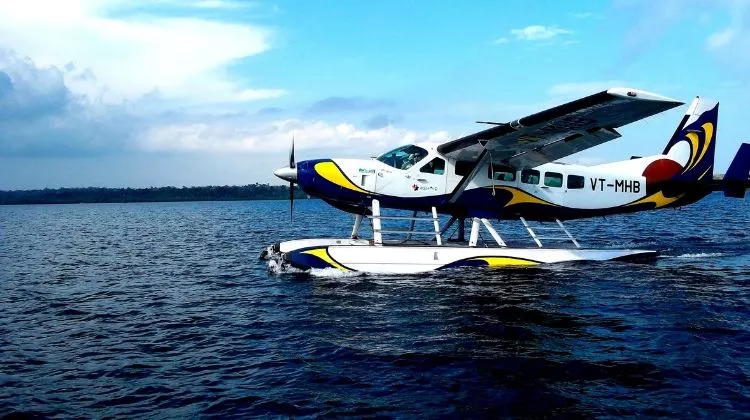
Flybig will initiate seaplane flights from Car Nicobar Airport and Campbell Bay Airport, enhancing access to these remote areas. According to Sanjay Mandavia, Chairman and Managing Director of Flybig, the airline’s first seaplane, a De Havilland Canada Twin Otter, is expected to be integrated into its fleet by the end of October. This versatile aircraft, designed to land on both water and land, is particularly well-suited for the challenging geographical conditions of the islands.
The launch of these services is a result of a strategic agreement between Flybig, the Airports Authority of India (AAI), and the government, aimed at promoting regional connectivity and boosting tourism in the Andaman and Nicobar Islands.
Government push for enhanced connectivity
Civil Aviation Minister Rammohan Naidu emphasised the transformative potential of seaplanes in regions where traditional airport infrastructure is limited by land constraints. “Seaplanes could seamlessly integrate with the existing aviation network, providing last-mile connectivity to remote areas, especially islands and coastal regions,” Naidu stated. He also highlighted the broader economic benefits, noting that seaplanes could drive growth by opening new tourism avenues and serving crucial roles in research, environmental monitoring, disaster relief, and coastal defence.
Revised DGCA rules to encourage seaplane operations
To support these ambitious plans, the Directorate General of Civil Aviation (DGCA) recently updated its regulations, making it easier for non-scheduled operators to provide seaplane services. These regulatory changes are intended to boost participation in the Udan (Ude Desh Ka Aam Nagrik) regional air connectivity scheme, which had previously struggled to attract interest from operators.
Key modifications in the DGCA rules include the elimination of the requirement for a waterdrome license and the reduction of compliance obligations, simplifying the process for prospective seaplane operators. Moreover, commercial pilots holding a Commercial Pilot License (CPL) can now qualify as seaplane-rated pilots, further encouraging the development of this emerging sector.
“We urge states to identify suitable waterbodies, and we will find ways to activate them,” said Vumlunmang Vualnam, Secretary of the Ministry of Civil Aviation, during a recent event. The new guidelines also delineate the roles of various stakeholders, including state governments, seaplane operators, and the central government, ensuring a more collaborative approach to developing the seaplane market, as reported by *The Hindu*.
Past efforts and challenges in seaplane operations
Previous efforts to promote seaplane operations in India have met with limited success. Under the Udan scheme, the government initially planned to connect 10 waterdromes across the country. Although SpiceJet launched a seaplane route from the Statue of Unity in Kevadia to the Sabarmati Riverfront in Ahmedabad, the service was discontinued due to weak demand.
However, with the new regulatory changes and a renewed focus on enhancing regional connectivity, there is optimism that the upcoming seaplane services in the Andaman and Nicobar Islands could mark a turning point. The government’s push to simplify rules and encourage greater participation aims to create a more robust framework for seaplane operations, potentially setting the stage for a successful expansion of this unique mode of transportation in India.
Boost to tourism and connectivity
The introduction of seaplane services by Flybig represents a critical step towards improving connectivity in the Andaman and Nicobar Islands. The initiative is expected to significantly enhance the travel experience for both locals and tourists, opening up new economic opportunities and fostering sustainable growth in the region.