Caotang Temple: Bharatiya hand in Chinese shrine
October 4, 2026
  • Read Ecopy
  • Circulation
  • Advertise
  • Careers
  • About Us
  • Contact Us
Android AppiPhone AppArattai
Organiser
  • ‌
  • Bharat
    • Assam
    • Bihar
    • Chhattisgarh
    • Jharkhand
    • Maharashtra
    • View All States
  • World
    • Asia
    • Europe
    • North America
    • South America
    • Africa
    • Australia
  • Editorial
  • International
  • Opinion
  • RSS @ 100
  • More
    • World Hindu Congress 2026
    • Op Sindoor
    • Analysis
    • Sports
    • Defence
    • Politics
    • Business
    • Economy
    • Culture
    • Special Report
    • Sci & Tech
    • Entertainment
    • G20
    • Azadi Ka Amrit Mahotsav
    • Vocal4Local
    • Web Stories
    • Education
    • Employment
    • Books
    • Interviews
    • Travel
    • Law
    • Health
    • Obituary
  • Subscribe
    • Subscribe Print Edition
    • Subscribe Ecopy
    • Read Ecopy
  • ‌
  • Bharat
    • Assam
    • Bihar
    • Chhattisgarh
    • Jharkhand
    • Maharashtra
    • View All States
  • World
    • Asia
    • Europe
    • North America
    • South America
    • Africa
    • Australia
  • Editorial
  • International
  • Opinion
  • RSS @ 100
  • More
    • World Hindu Congress 2026
    • Op Sindoor
    • Analysis
    • Sports
    • Defence
    • Politics
    • Business
    • Economy
    • Culture
    • Special Report
    • Sci & Tech
    • Entertainment
    • G20
    • Azadi Ka Amrit Mahotsav
    • Vocal4Local
    • Web Stories
    • Education
    • Employment
    • Books
    • Interviews
    • Travel
    • Law
    • Health
    • Obituary
  • Subscribe
    • Subscribe Print Edition
    • Subscribe Ecopy
    • Read Ecopy
Organiser
  • Home
  • Bharat
  • World
  • Operation Sindoor
  • Editorial
  • Analysis
  • Opinion
  • Culture
  • Defence
  • International Edition
  • RSS @ 100
  • Magazine
  • Read Ecopy
Home Bharat

Caotang Temple: Bharatiya hand in Chinese shrine

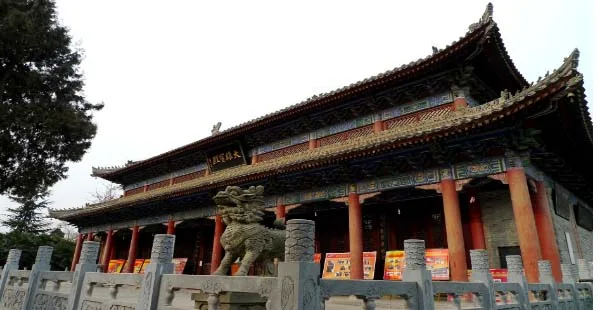
Caotang Temple in Xi’an, China, owes its existence to Kumarjiva, an Indian monk and translator. This temple became Bodhimanda (position of awakening) because of Kumarjiva

Dr Ujwala ChakradeoDr Ujwala Chakradeo
Sep 4, 2024, 08:00 pm IST
inBharat, Culture
Follow on Google News
Facebook
Twitter
WhatsAppTelegramEmail

Caotang Temple is one of the oldest temples of China located in historical Xi’an city is the capital of Shaanxi province in West China. The city is famous for many historical sites including the terracotta army inside the QinShi Huang Mausoleum. An Indian monk, Kumarjiva, travelled to China in the fourth century AD and translated Buddhist scriptures from Sanskrit to Chinese here and Caotang temple became a Buddhist Monastery. The temple was founded in 401 AD. Kumarjiva was a master of Buddhism and knew many languages. Because of Kumarjiva this temple became Bodhimanda and birthplace of three treatise schools. Bodhimanda is a term used in Buddhism meaning the “position of awakening”.

There is a statue of Kumarjiva made out of wood in the temple. The Hall of Heavenly Kings is the largest hall of the temple. There is also a mist well in the temple complex. After Kumarjiva passed away, his students built a stupa in his name. Stupa is 2.5 meter high and made out of jade stone and marble, and showcases exquisite hand-crafted details. Kumarjiva’s stupa has the relic of his tongue. Kumarjiva was perfect in his translations and would always say that if he made any mistake in translations his tongue would burn. His tongue remained unburned. The roof of main structures is with juan peng ridges, known as juanpeng roofs or parabolic roof, these are the iconic features of Chinese traditional architecture. Chinese architecture is characterised by bilateral symmetry which signifies balance, use of open spaces and emphasis on horizontality. The projected hierarchy and its importance in Chinese architecture is based on the strict placement of buildings in a complex. Buildings with doors facing the front of the complex are considered more important than those facing the sides. These features have remained alive for thousands of years in spite of fast modernisation.

Architecturally, the temple features are not only beautiful but are capable of highlighting the memorable contribution of Kumarjiva, which have been kept alive till date through this temple. Architecture is the best medium to keep history alive, and is truly reflected through these temples.

Topics: KumarjivaBharatiya hand in Chinese shrineCaotang TempleChinese traditionalChinese architecture
Dr Ujwala Chakradeo
Dr Ujwala Chakradeo
The columnist is Principal of SMM College of Architecture, Nagpur and specialises in Bharatiya Architectural Heritage [Read more]
Share
Tweet
SendShareSend
✮ Subscribe Organiser YouTube Channel. ✮
✮ Join Organiser's WhatsApp channel for Nationalist views beyond the news. ✮
Previous News

West Bengal post-poll violence: Victim’s family moves Supreme Court to cancel accused’s bail

Next News

“Justice will be done”: Swati Maliwal takes jibe at Sunita Kejriwal’s post after Bibhav Kumar bail

Related News

No Content Available
Load More

Latest News

Elderly man dies at unauthorised protest of CJP at Shivaji Park in Mumbai

CJP Protest in Mumbai’s Shivaji Park: Elderly man dies of heart attack at unauthorised demonstration

Indian Men's Hockey team which won gold medal in Asian Games 2026

Asian Games 2026: India retains men’s hockey gold, defeat Malaysia

Israeli passenger Tzvika Manes recounts how passengers overpowered Omani terrorist co-pilot Hamam al-Hammami during the Flydubai cockpit crisis.

“Crew were asking us to untie the terrorist”: Israeli passengers recall second threat during Flydubai hijack chaos!

Akhil Bharatiya Vanvasi Kalyan Ashram Addressing the press conference

Rajasthan: Vanvasi Kalyan Ashram passes resolution seeking ‘National Memorial Status’ for Mangarh Dham

Government approves five Centres of Excellence for Classical Assamese, Bengali, Marathi, Pali and Prakrit

Tamil Nadu: TVK faces student opposition over memorial for its five declared icons on Madras University ground

ECI controversy resembles Bangladesh regime change playbook; Is it a CIA conspiracy to destabilise India?

The Shrichakra Rangoli reflects the ancient Indian interplay of geometry, mathematics, spirituality and cosmic symbolism

Shrichakra Rangoli: How ancient India turned geometry, mathematics and cosmic thought into a sacred art form

The Rigveda’s cosmic wheel with 12 spokes and 360 divisions reflects the ancient Vedic understanding of time and its endless cycles

The Cosmic Wheel of Time: Decoding the Rigveda’s mysterious twelve spokes and 360 divisions

The Supreme Court has backed regulated green crackers ahead of Diwali while rejecting a blanket ban and stressing pollution, noise and public health concerns

Supreme Court backs green crackers ahead of Deepawali, says festive sentiments & public health must both be considered

Load More
  • Privacy
  • Terms
  • Cookie Policy
  • Refund and Cancellation
  • Delivery and Shipping

© Bharat Prakashan (Delhi) Limited.
Tech-enabled by Ananthapuri Technologies

  • Home
  • Search Organiser
  • Bharat
    • Assam
    • Bihar
    • Chhattisgarh
    • Jharkhand
    • Maharashtra
    • View All States
  • World
    • Asia
    • Africa
    • North America
    • South America
    • Europe
    • Australia
  • Editorial
  • Operation Sindoor
  • Opinion
  • Analysis
  • Defence
  • Culture
  • Sports
  • Business
  • RSS @ 100
  • Entertainment
  • More ..
    • Sci & Tech
    • Vocal4Local
    • Special Report
    • Education
    • Employment
    • Books
    • Interviews
    • Travel
    • Health
    • Politics
    • Law
    • Economy
    • Obituary
  • Subscribe Magazine
  • Read Ecopy
  • Advertise
  • Circulation
  • Careers
  • About Us
  • Contact Us
  • Policies & Terms
    • Privacy Policy
    • Cookie Policy
    • Refund and Cancellation
    • Terms of Use

© Bharat Prakashan (Delhi) Limited.
Tech-enabled by Ananthapuri Technologies