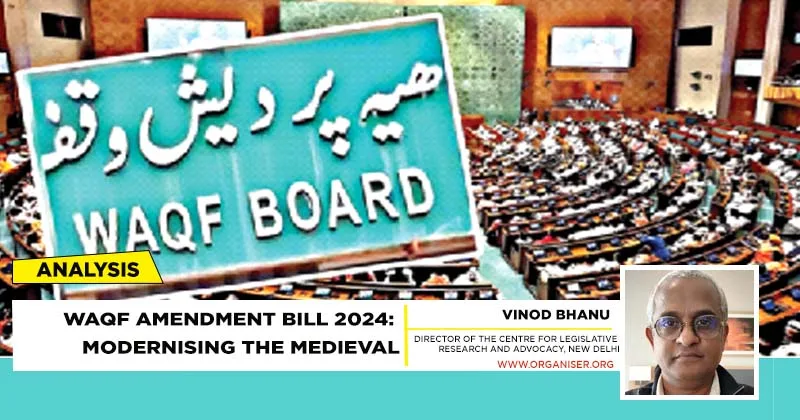
The Waqf (Amendment) Bill 2024 is not just another legislative change but a significant and comprehensive attempt to reform and modernise the administration of Waqf properties in India. It reflects a profound commitment to transparency, inclusivity and efficiency while safeguarding various stakeholders’ rights. As it progresses through the legislative process, its impact on the future of Waqf management in India will be more than just interesting. In fact, it will be crucial.
Managing Waqf Properties
These amendments in the Bill represent a significant leap forward in managing Waqf properties across India. They are introduced to modernise a system that has often been criticised for its inefficiencies and lack of transparency. This Bill brings a sweeping array of changes that promise to reshape how Waqf assets are managed, marking a clear step towards a more efficient and transparent Waqf administration.
At the core of this legislative overhaul is the ambitious renaming of the original Waqf Act of 1995 to the “Unified Waqf Management, Empowerment, Efficiency and Development Act, 1995.” This change is not merely symbolic; it underscores the broad scope and ambitious objectives of the amendments. The Government is sending a clear message that managing Waqf properties is not just about preserving religious endowments but about empowering communities, enhancing efficiency and fostering development.
Centralised Portal & Database
One of the most notable changes in the Bill is introducing a centralised portal and database for Waqf properties. This move is not just an attempt but a clear stride to drag the Waqf administration into the 21st Century, leveraging technology to ensure transparency and accountability. Every newly registered or existing Waqf will need to update its details on this platform, providing the government and the public with a clear, optimistic view of how these assets are utilised.
The Bill also addresses a long-standing issue in Waqf administration: the conditions under which a Waqf can be created. The amendment stipulates that only lawful owners can dedicate property as Waqf, and importantly, it ensures that the creation of Waqf-alal-aulad—essentially family Waqfs—does not infringe on the inheritance rights of heirs, particularly women. This is a significant step towards ensuring gender equity within the framework of Islamic endowments.
In a move that shifts power dynamics, the responsibility of surveying Waqf properties has been transferred from the Survey Commissioner to the District Collector. This shift could streamline processes, aligning the management of Waqf properties more closely with state revenue laws and local governance structures.
The Bill also makes bold strides in democratising the composition of Waqf Boards. For the first time, the Central Waqf Council and State Waqf Boards will include representatives from Muslim sects – Sunni, Shia, Bohra and Aghakhani – and members from non-Muslim communities and women. This inclusivity is crucial in a diverse society like India, where Waqf properties hold significance for various communities.
Another groundbreaking provision is the potential creation of separate Waqf Boards for Bohra and Aghakhani communities. This would recognise the unique needs of different Muslim communities and allow for more tailored governance of their religious endowments.
New Disqualification Criteria
The Bill doesn’t shy away from harsh measures either. It introduces new disqualification criteria for Board members, mainly targeting those with criminal convictions. It also mandates that no Waqf can be created without a formal Waqf deed, which aims to curb the misuse and mismanagement of properties under the guise of religious endowments.
Financially, the Bill offers some relief to Waqf administrators by reducing the mandatory contribution to the Waqf Board from seven per cent to five per cent. This reduction could alleviate some financial burdens on smaller Waqfs, allowing them to focus more on their charitable and religious objectives.
Legal reforms are another cornerstone of this Bill. By allowing appeals against Waqf Tribunal decisions to be taken to the High Court, the amendment introduces an additional layer of judicial scrutiny, which could be a game-changer in resolving disputes more fairly and effectively.
Moreover, the Bill removes specific outdated provisions related to evacuee properties and the overriding effects of the Waqf Act, signalling a streamlining of the law to focus on current issues rather than historical anomalies.
Penalties for non-compliance and mismanagement have been significantly increased, reflecting the government’s intent to take the Waqf administration seriously. With fines reaching up to one lakh rupees and the introduction of potential imprisonment for specific offences, the Bill powerfully conveys that mismanagement will not be tolerated.
The Statement of Objects and Reasons for the Waqf (Amendment) Bill, 2024 outlines the necessity for revising the Waqf Act 1995. Despite the original Act and subsequent amendments in 2013, the administration of Waqf properties has not seen the desired improvements, necessitating further legislative action. The proposed Bill addresses these shortcomings by introducing comprehensive reforms to enhance the efficiency, management, and empowerment of Waqf properties.
The new Waqf Amendment Bill 2024 represents a landmark set of reforms introduced by the NDA Government to advance social justice and curb long-standing malpractices in Waqf governance. These amendments have been a long-awaited demand, rooted in the need to address the systemic issues plaguing Waqf management. However, the reforms are being met with opposition from a narrow segment of elite beneficiaries within the community, who have historically exploited and mismanaged Waqf properties for personal gain. Now is the time for decisive action and collective support for these historic reforms. The Bill has been referred to the Joint Parliamentary Committee (JPC), which comprises 31 members from both the ruling coalition and the opposition. As the committee embarks on its review, it will open the floor for public responses and comments. Those who stand to lose from the amendments are expected to use this opportunity to present their version of events actively. To ensure that the government’s amendments are upheld, and the Bill is strengthened, it is crucial that we, too, rise to the occasion. We must proactively engage with the committee by submitting well-founded responses, providing credible evidence, and making our voices heard. By doing so, we can contribute to a comprehensive and balanced report that supports these necessary reforms.
The Waqf (Amendment) Bill 2024 is a critical step toward addressing the longstanding challenges and inefficiencies in administering Waqf properties in India. By introducing measures that promote transparency, inclusivity, and accountability, the Bill aims to transform how Waqf assets are managed, ensuring they serve the broader community’s interests rather than a select few. As the Bill progresses through the legislative process, the involvement and support of all stakeholders will be crucial in shaping a future where Waqf properties are managed with integrity and efficiency, genuinely reflecting the spirit of social justice these reforms intend to uphold.