The Archaeological Survey of India’s (ASI) report on the longstanding Gyanvapi Kashi Vishwanath dispute affirms the presence of a grand mandir predating the disputed structure, justifying the assertions of the Hindu party in the legal conflict. Advocate Vishnu Shankar Jain, representing the Hindu side, disclosed the report’s findings to the media after its public release on January 25.
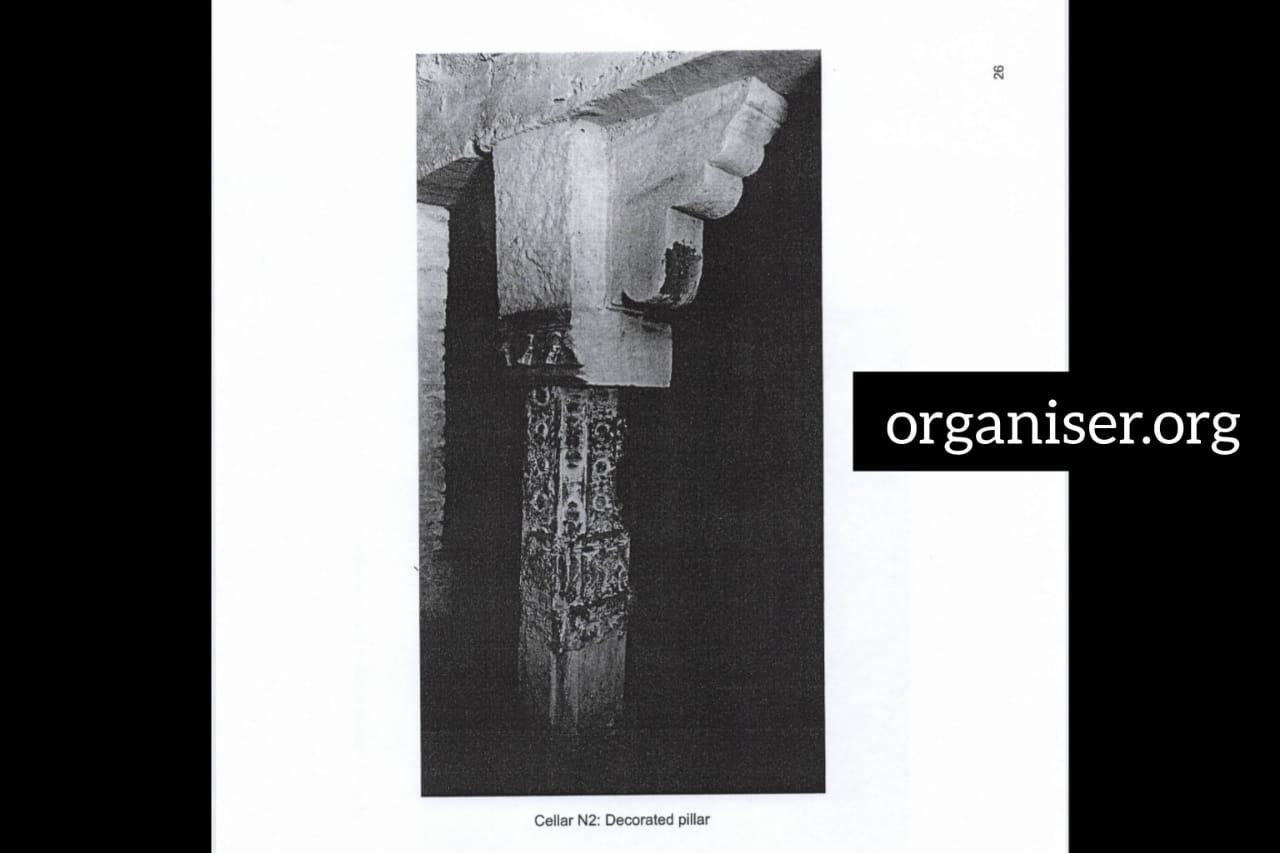
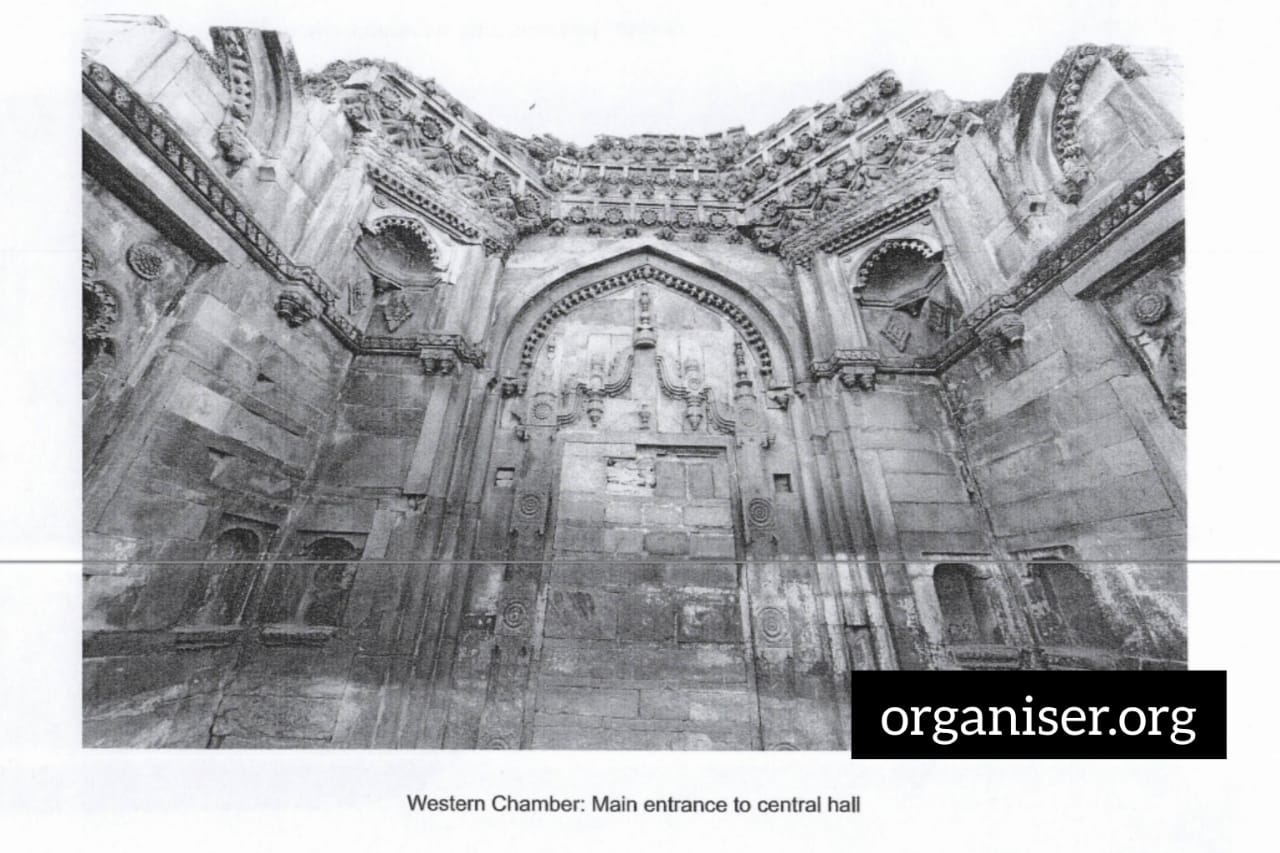
“The ASI findings suggest that modifications were made to the mosque, reusing pillars and plaster with minor alterations. Some pillars from the Hindu temple were slightly modified for use in the new structure. Attempts were made to remove the carvings on the pillars,” Jain disclosed, referring to the ASI report.
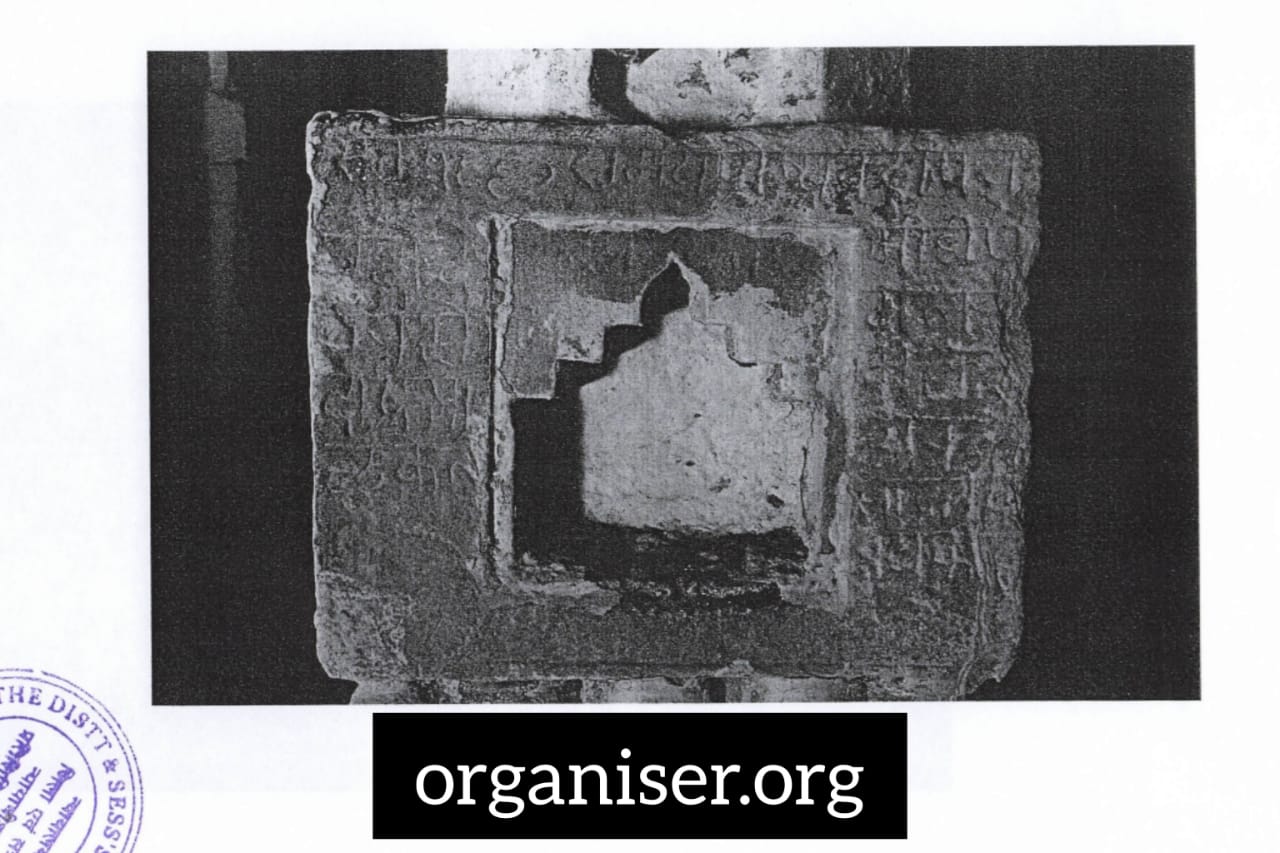
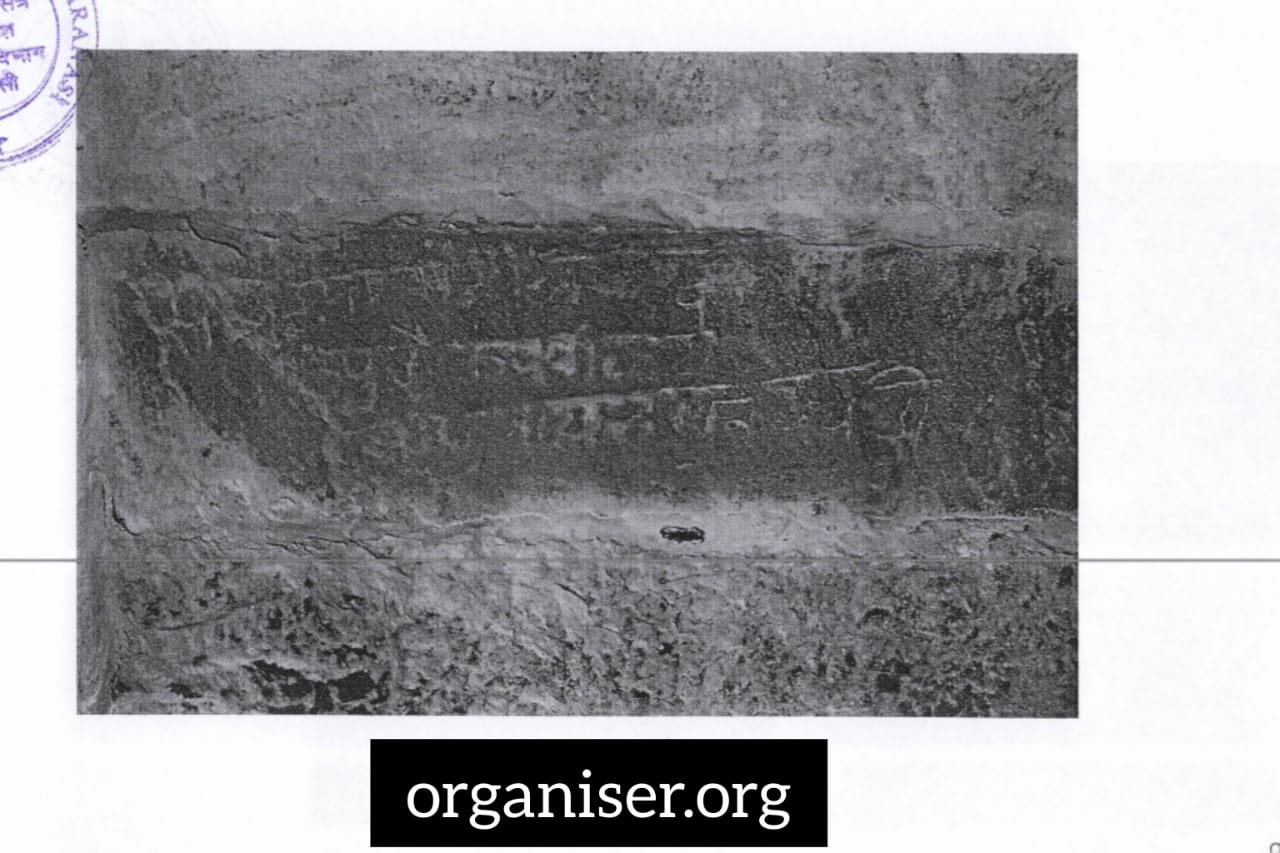
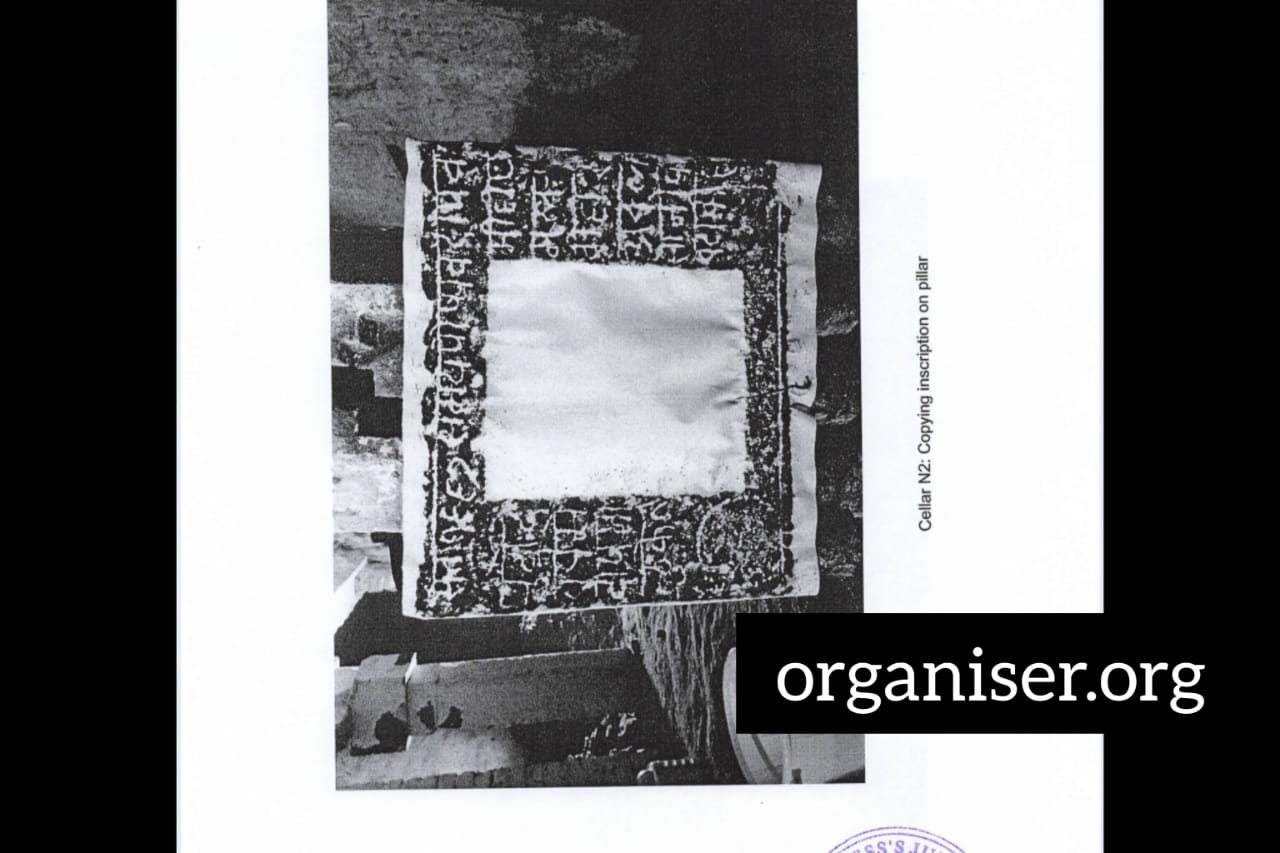
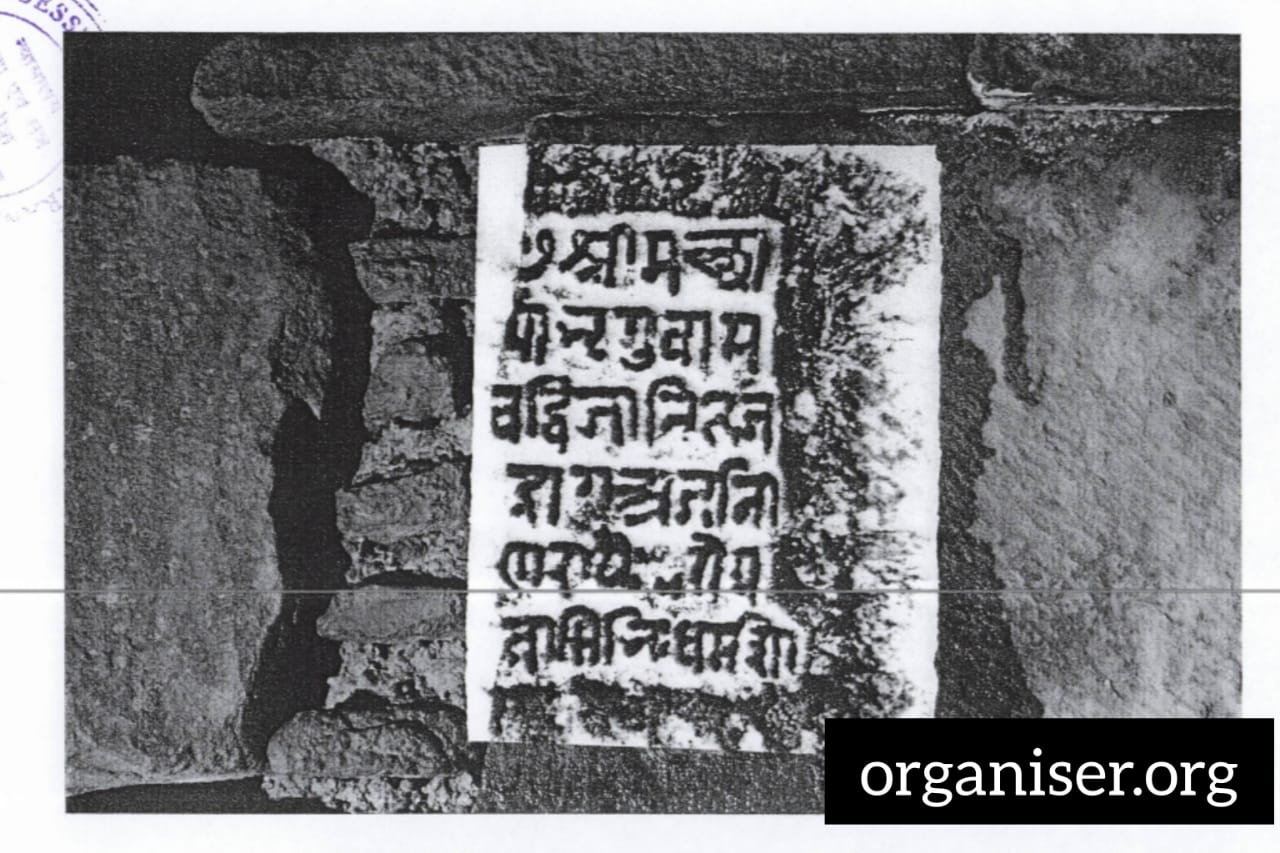
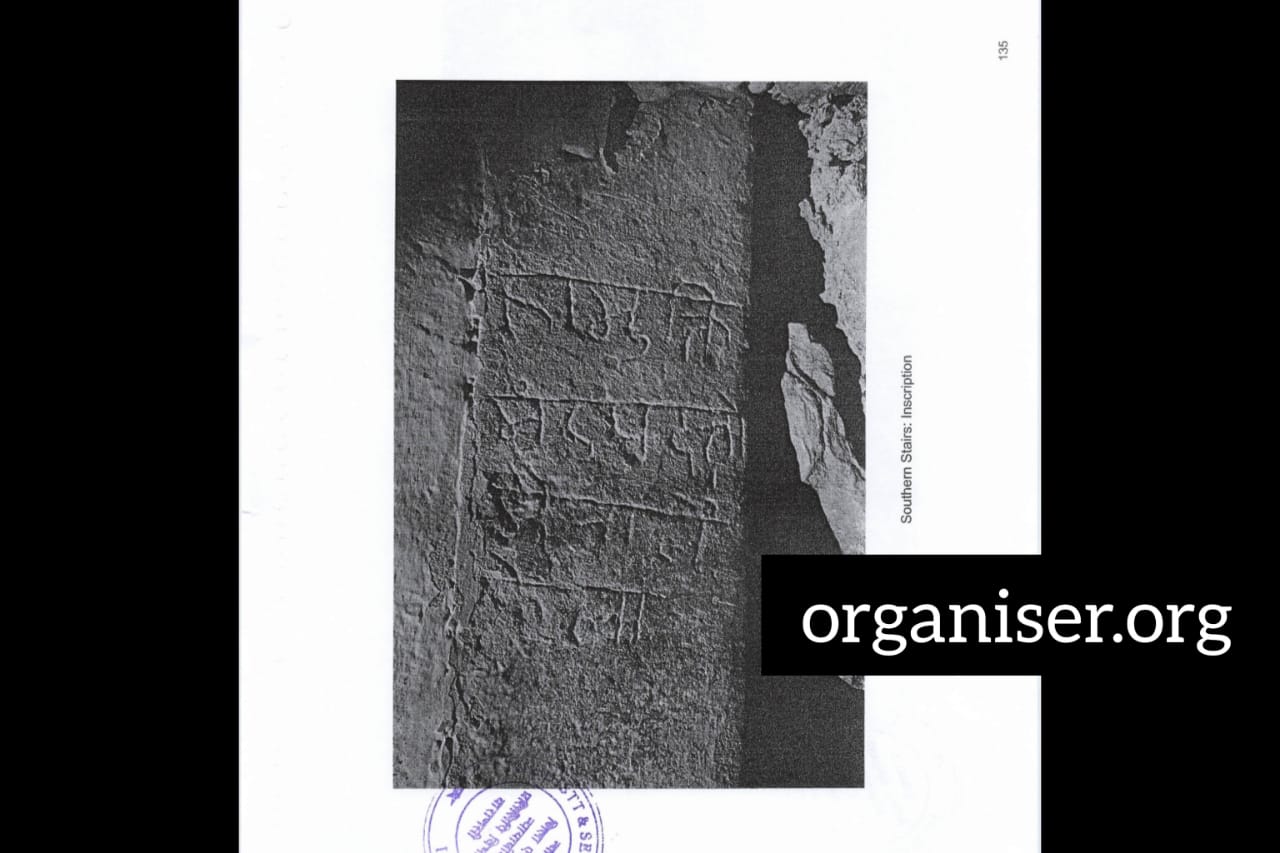
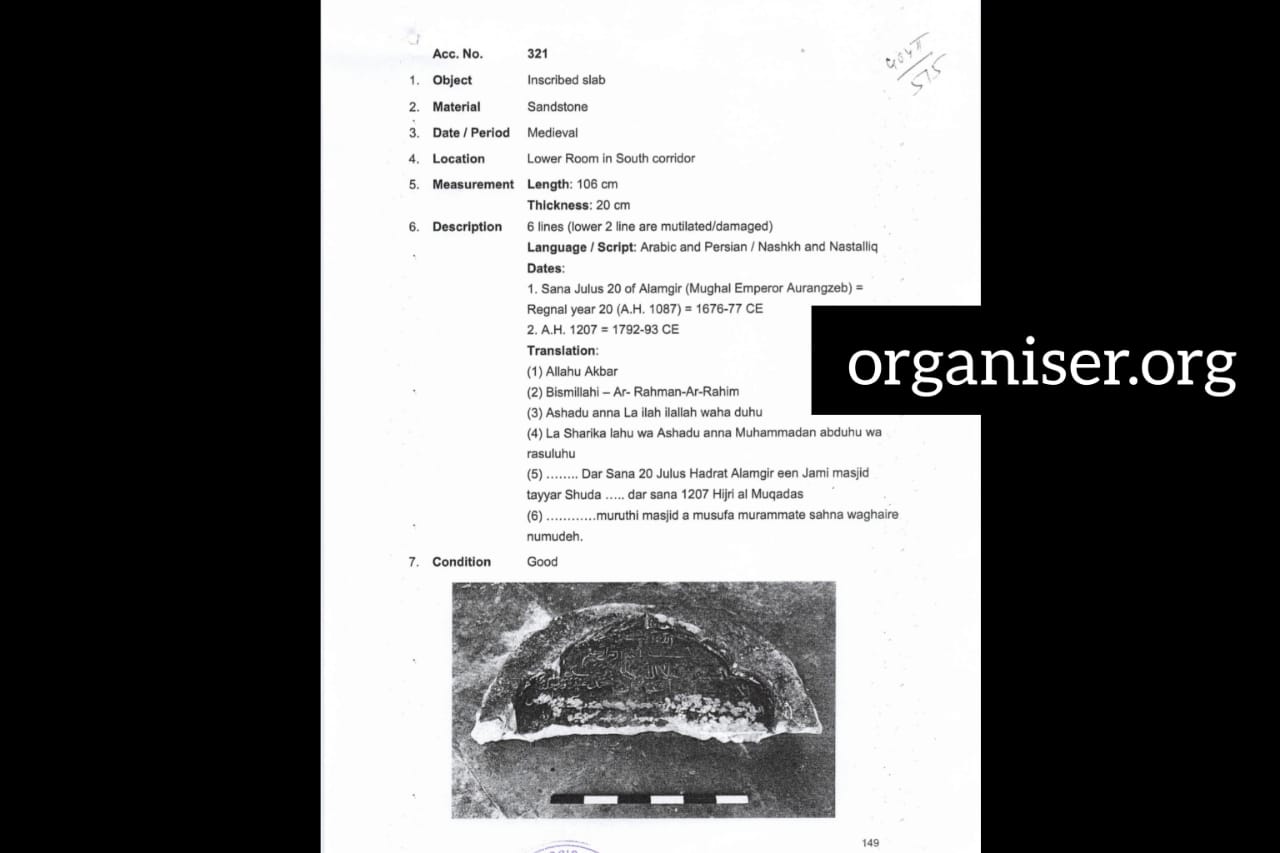
Jain elaborated that the ASI survey uncovered inscriptions in various scripts, including Devanagari, Telugu, and Kannada, believed to be associated with the ancient Hindu mandir. The Varanasi district court had previously instructed the ASI, on July 21 of the preceding year, to conduct a comprehensive scientific survey, including excavations if required, to ascertain whether the mosque adjacent to the Kashi Vishwanath temple was constructed atop a preexisting temple.
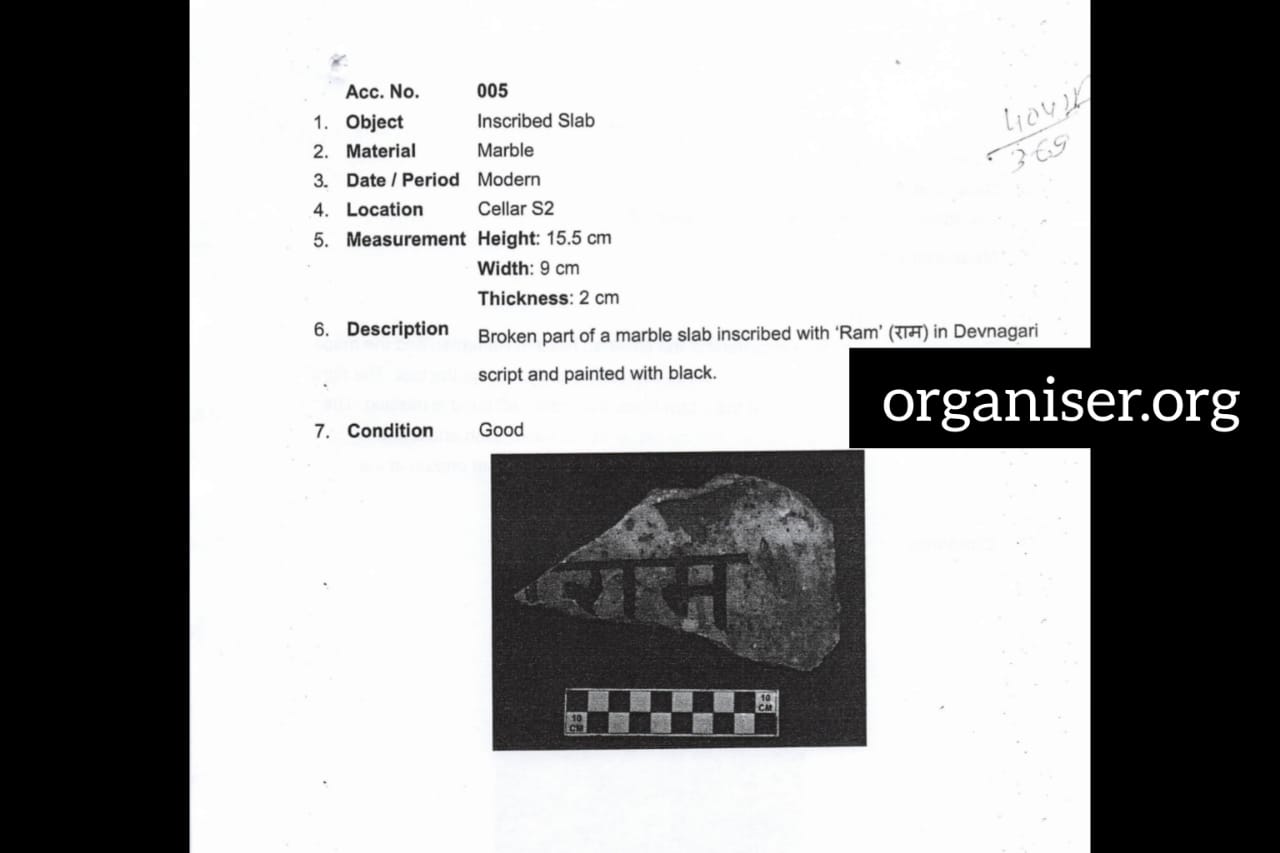
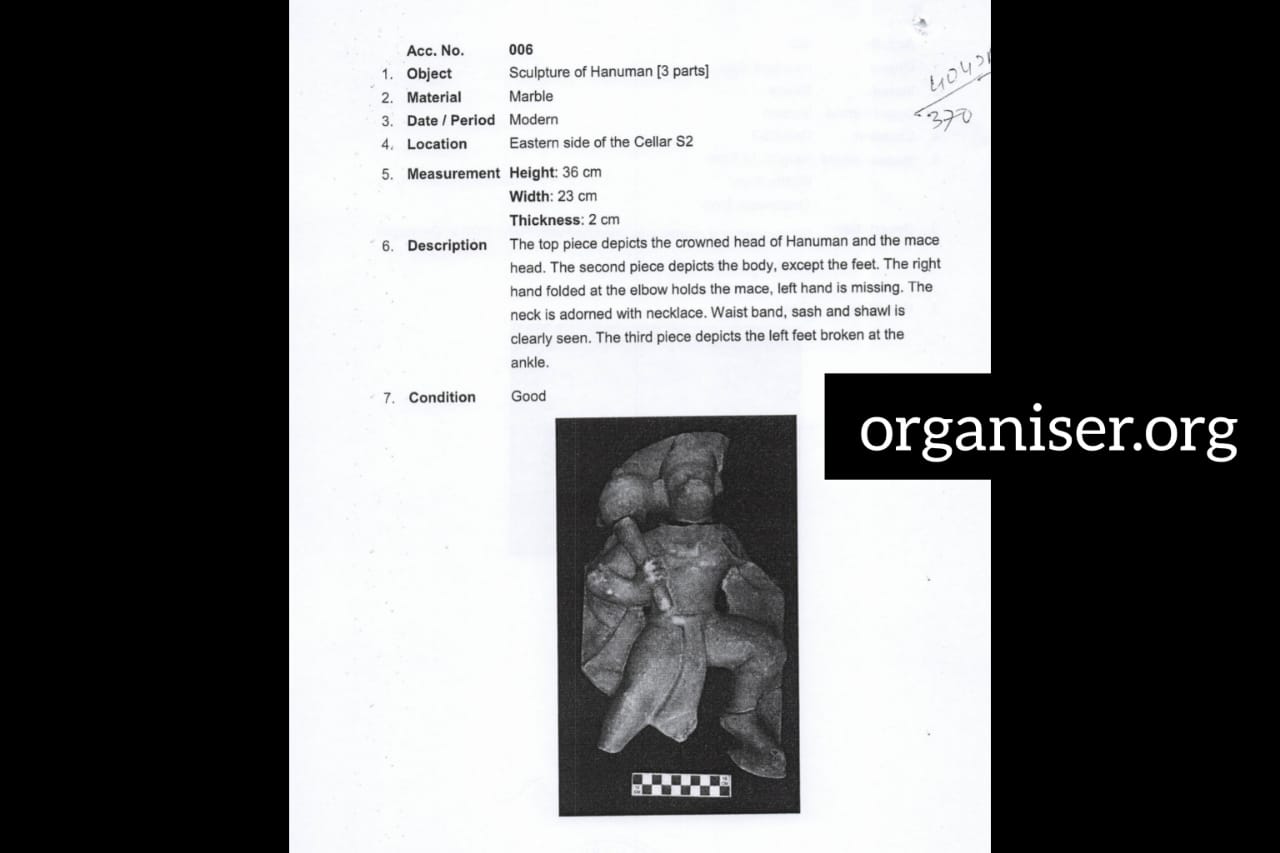
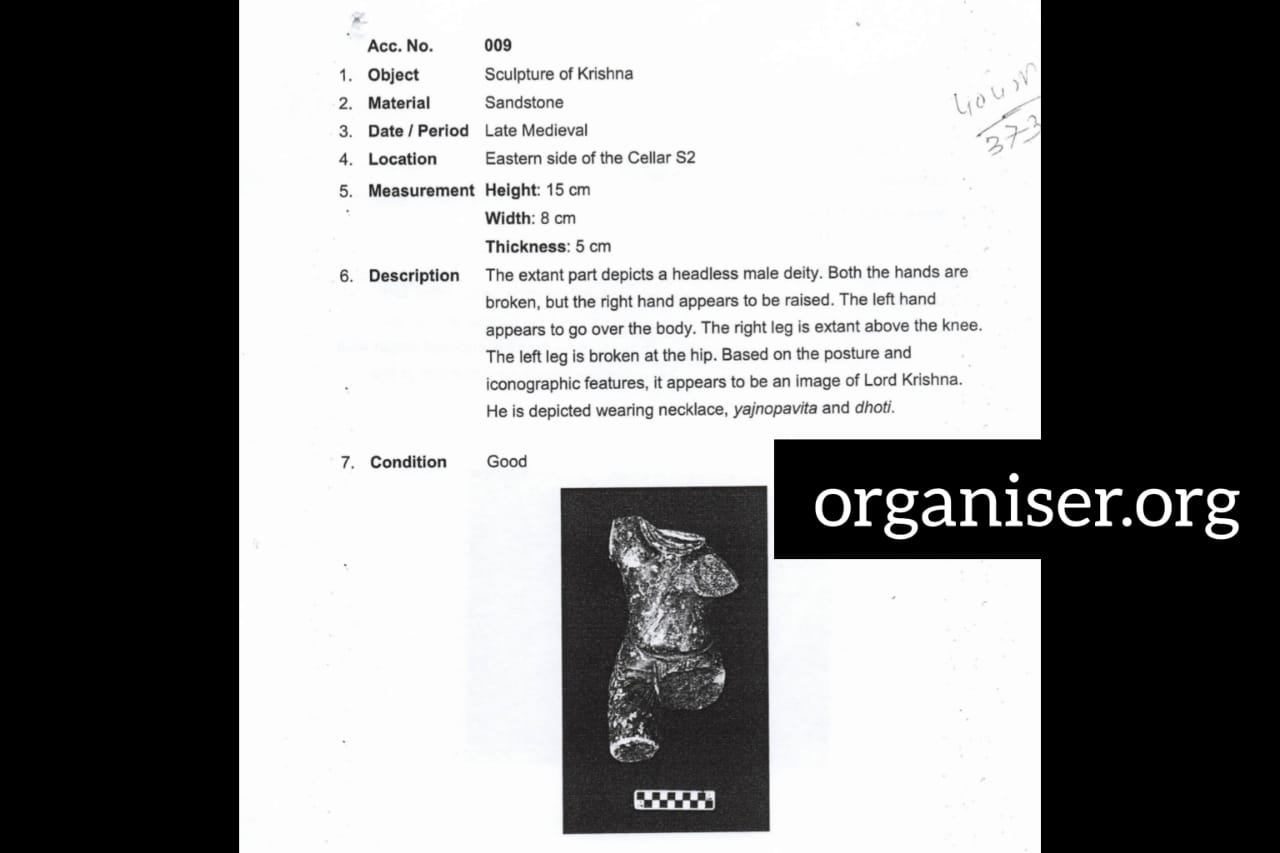
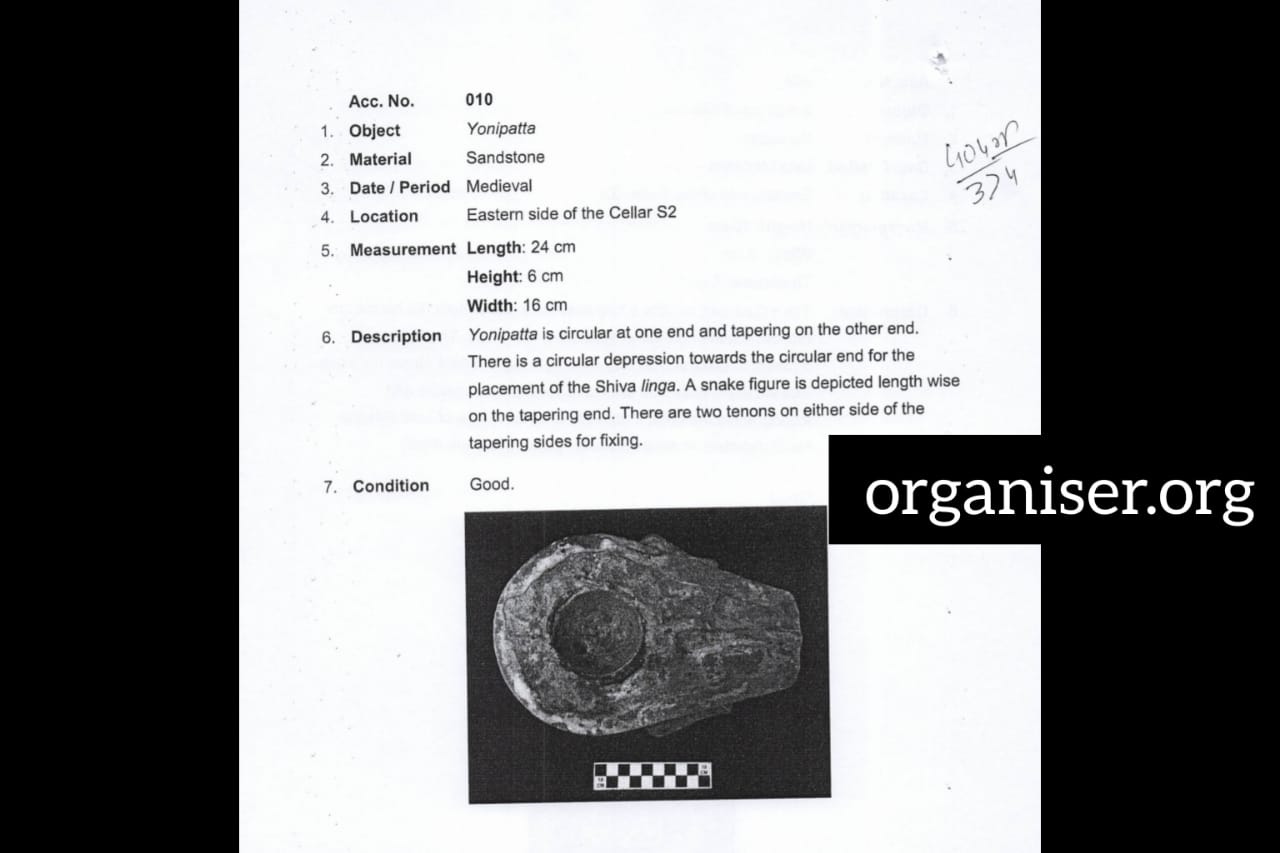
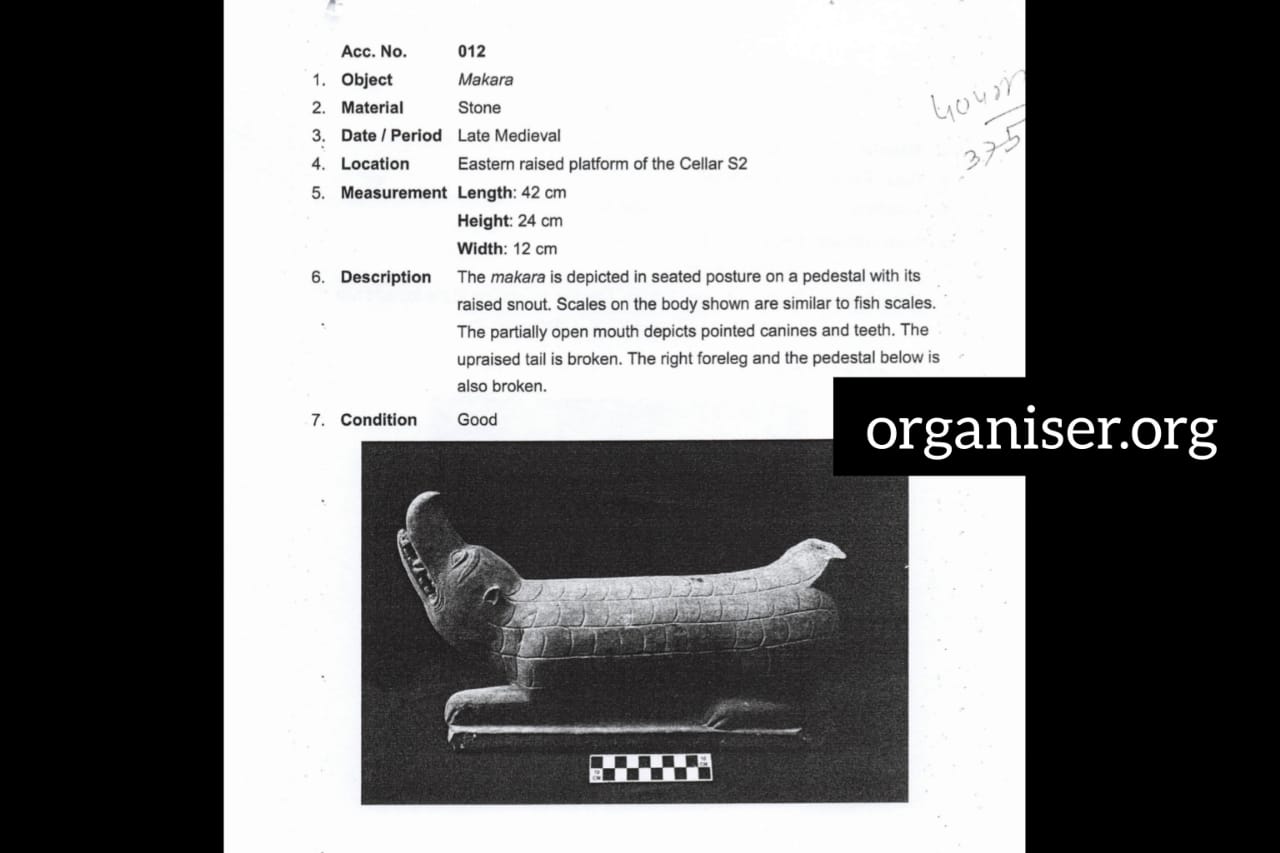
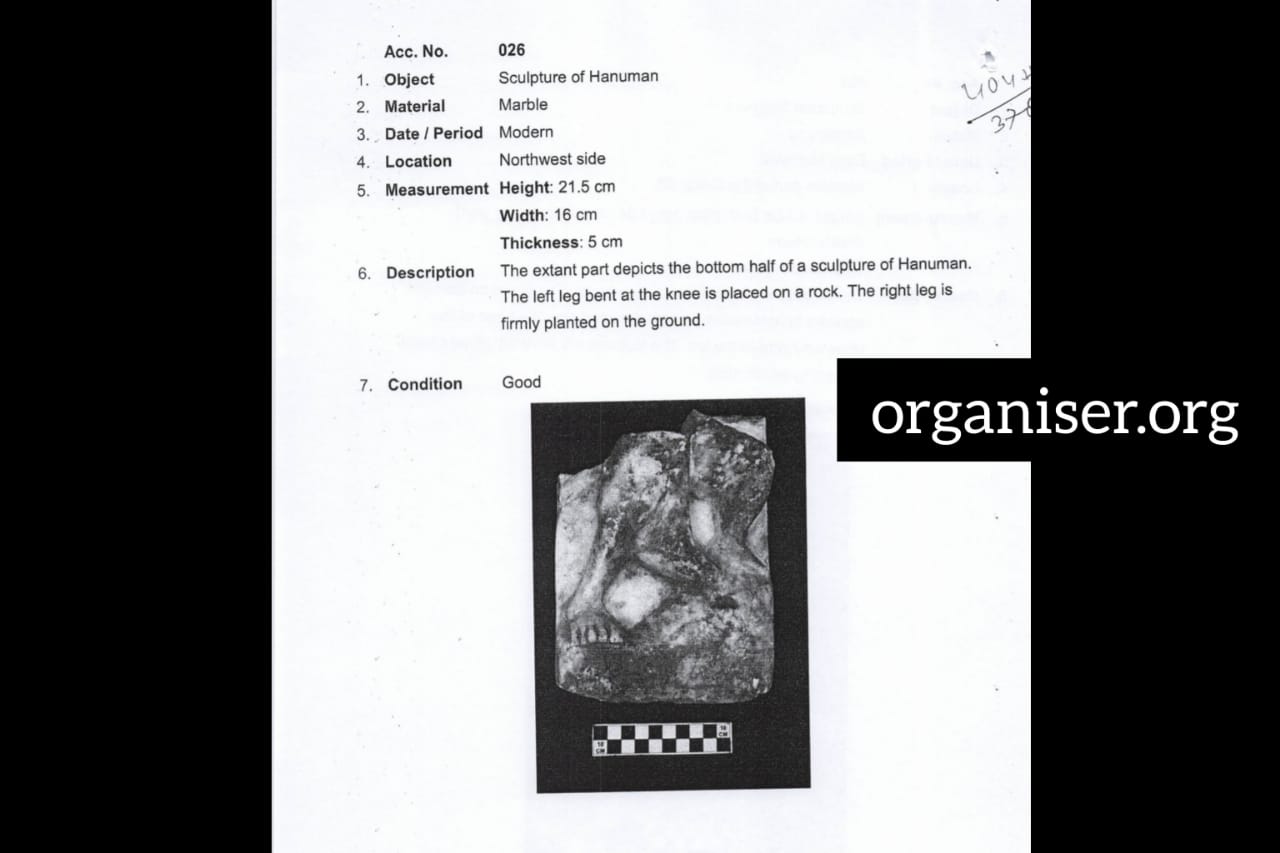
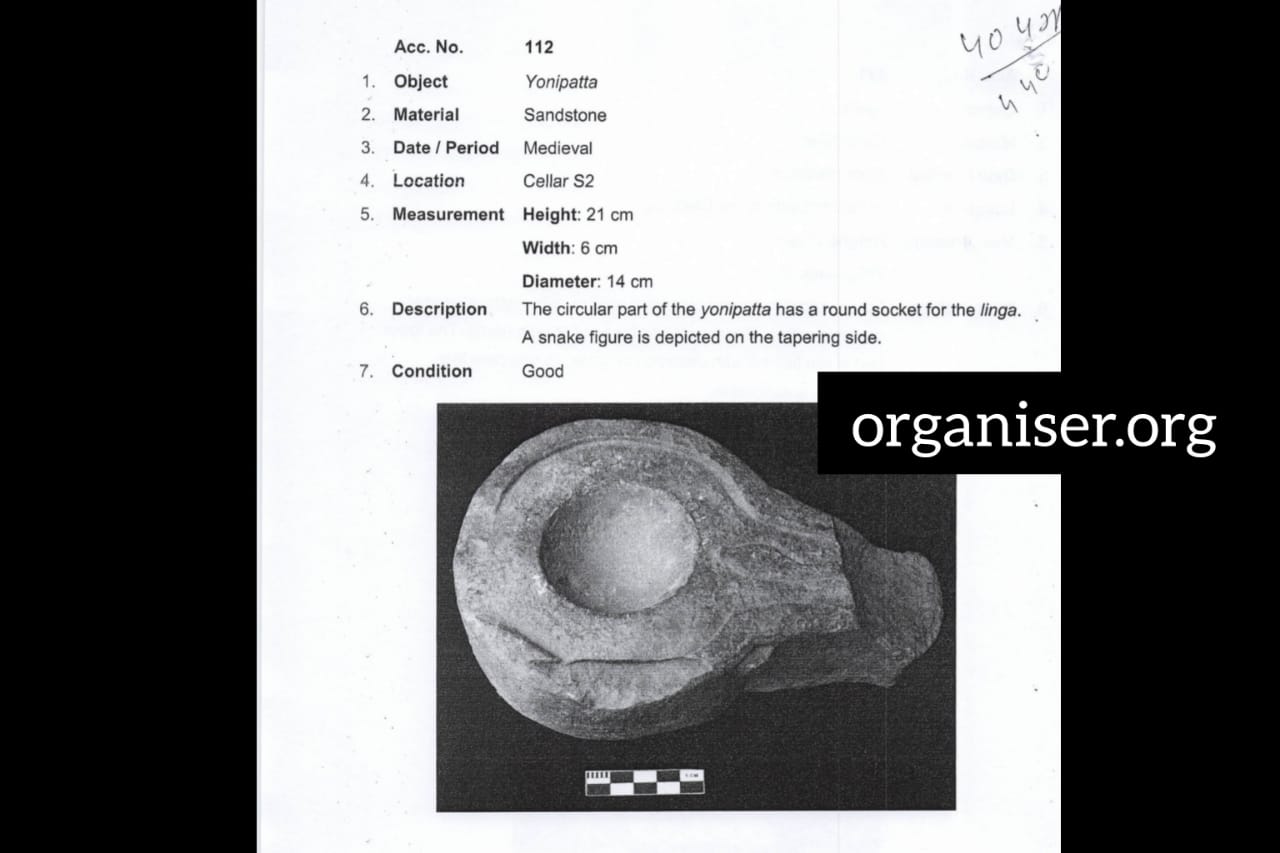
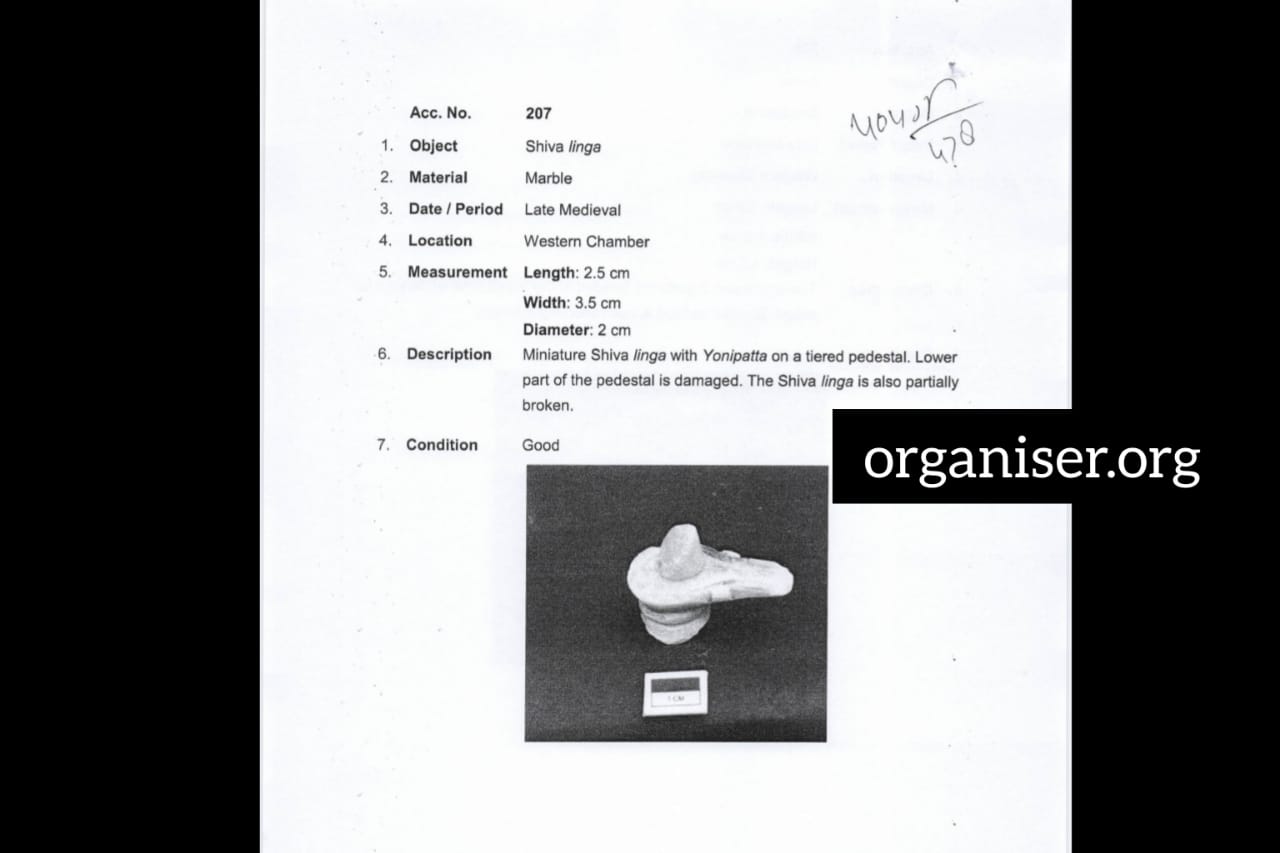
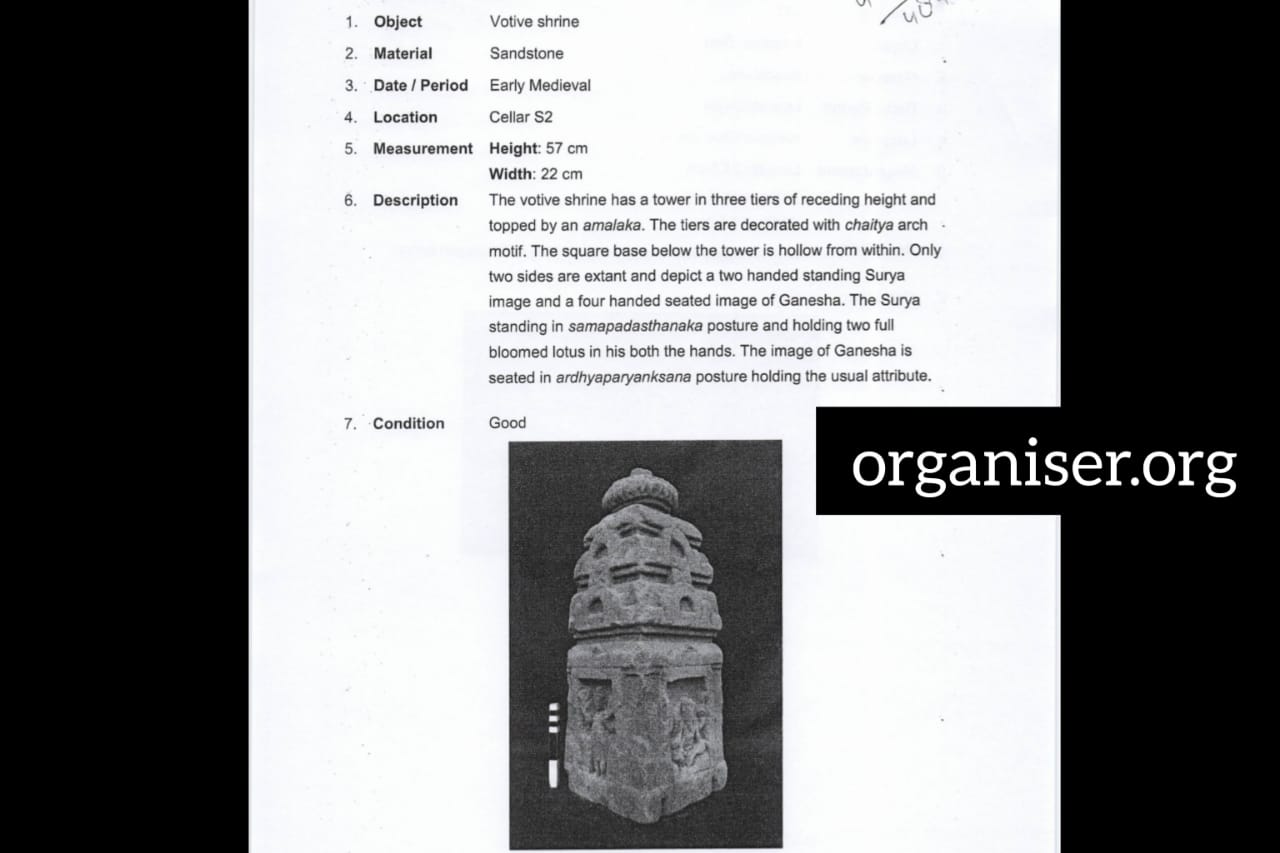
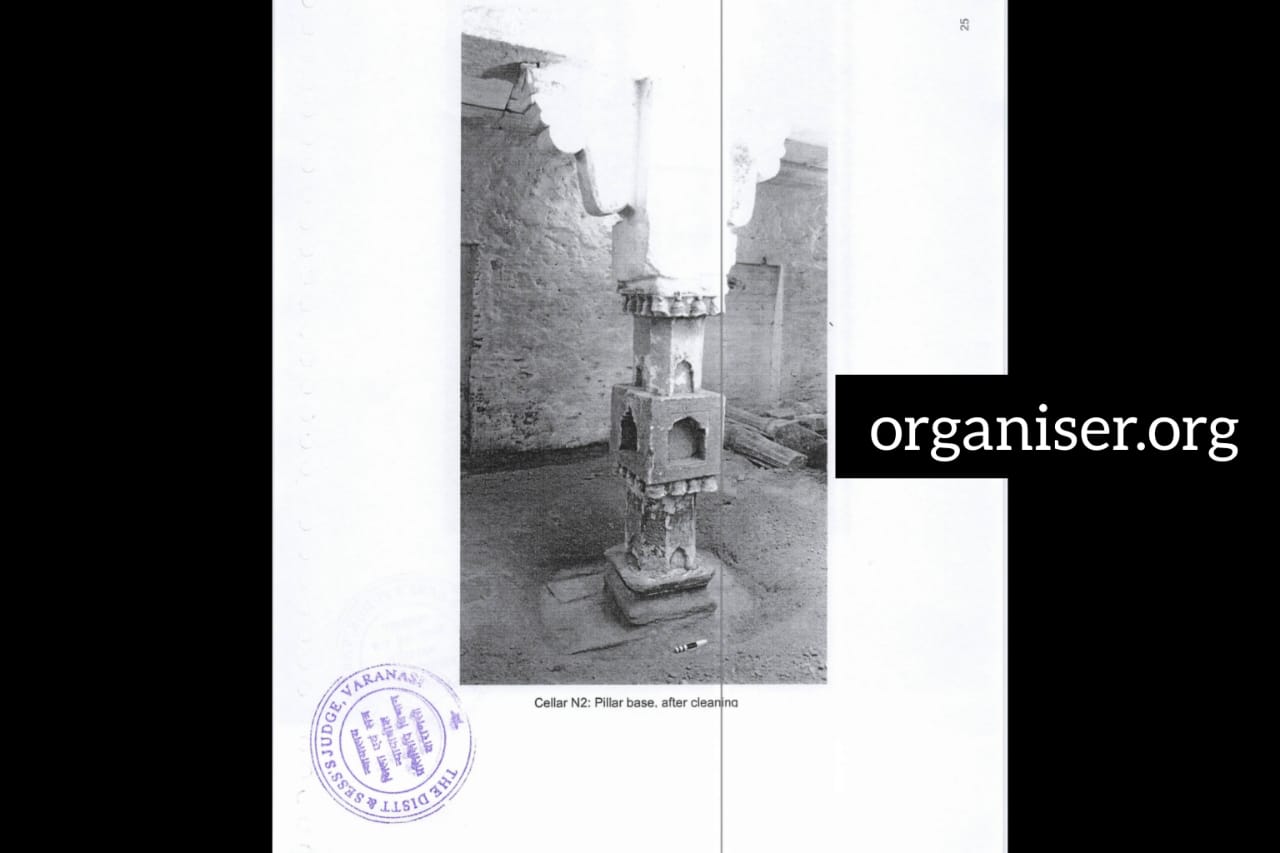
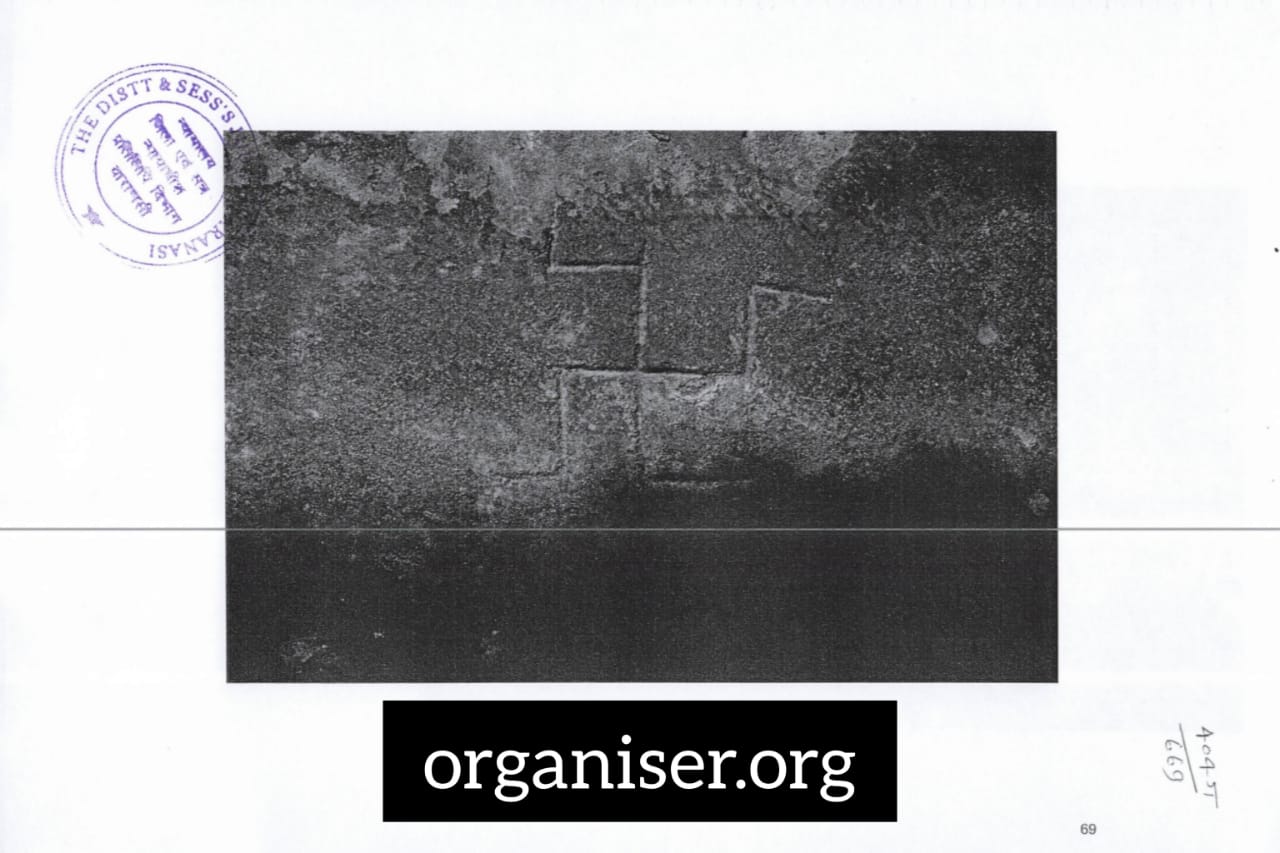
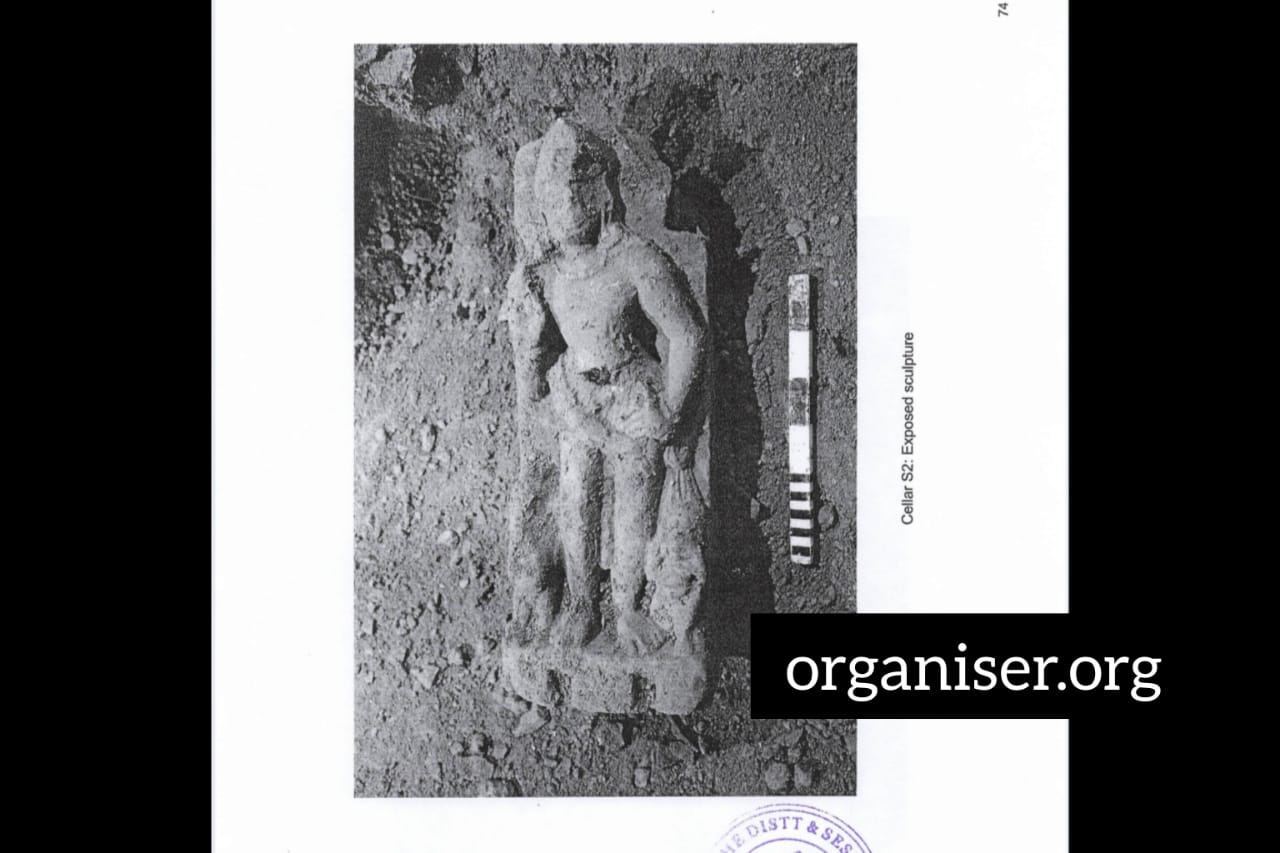
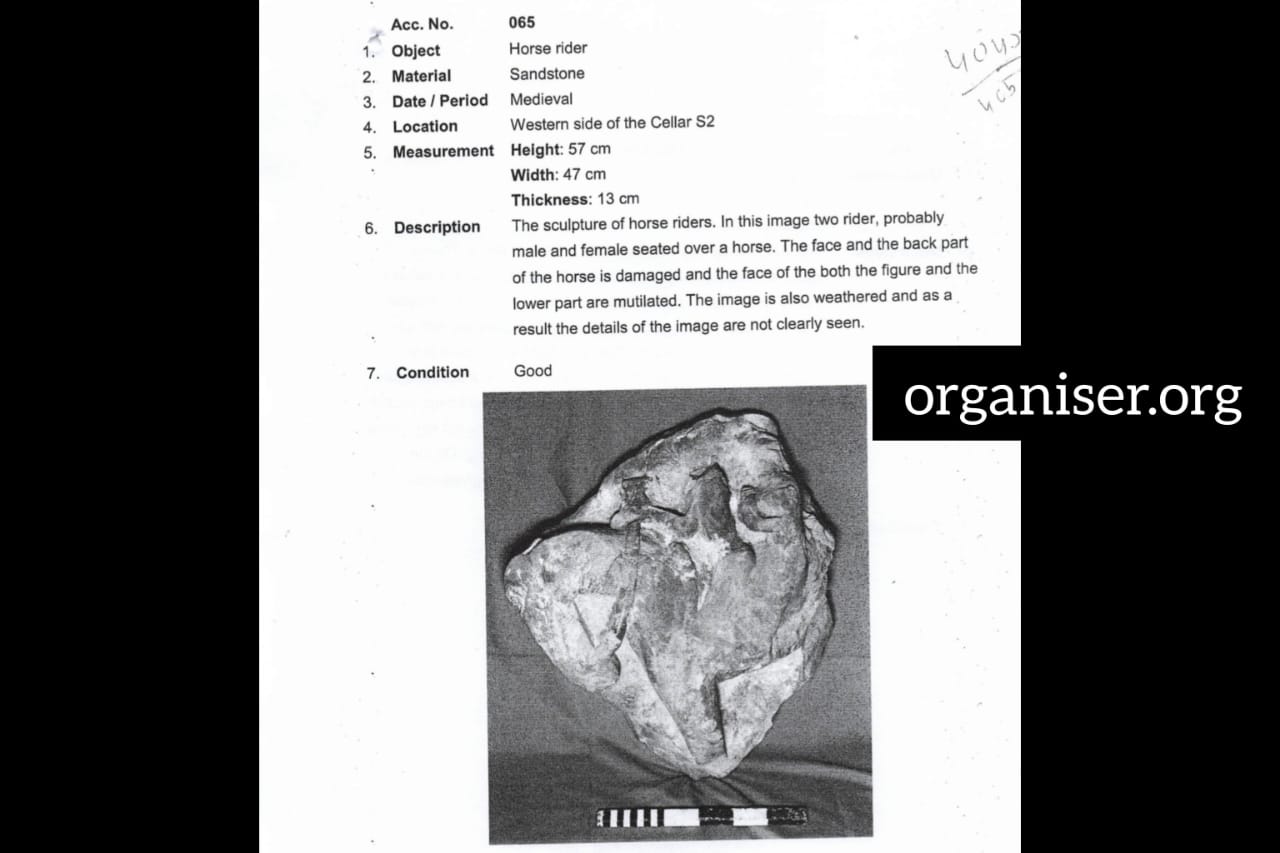
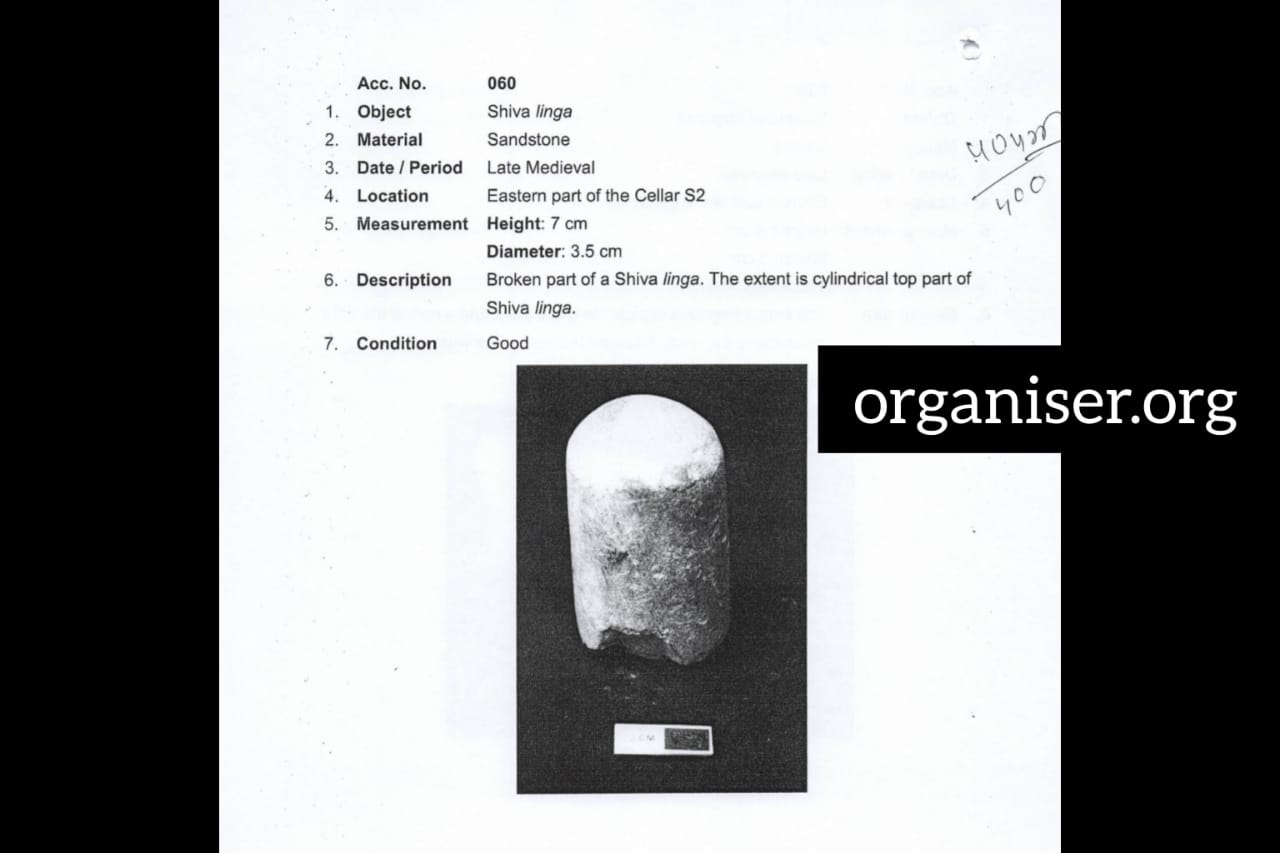
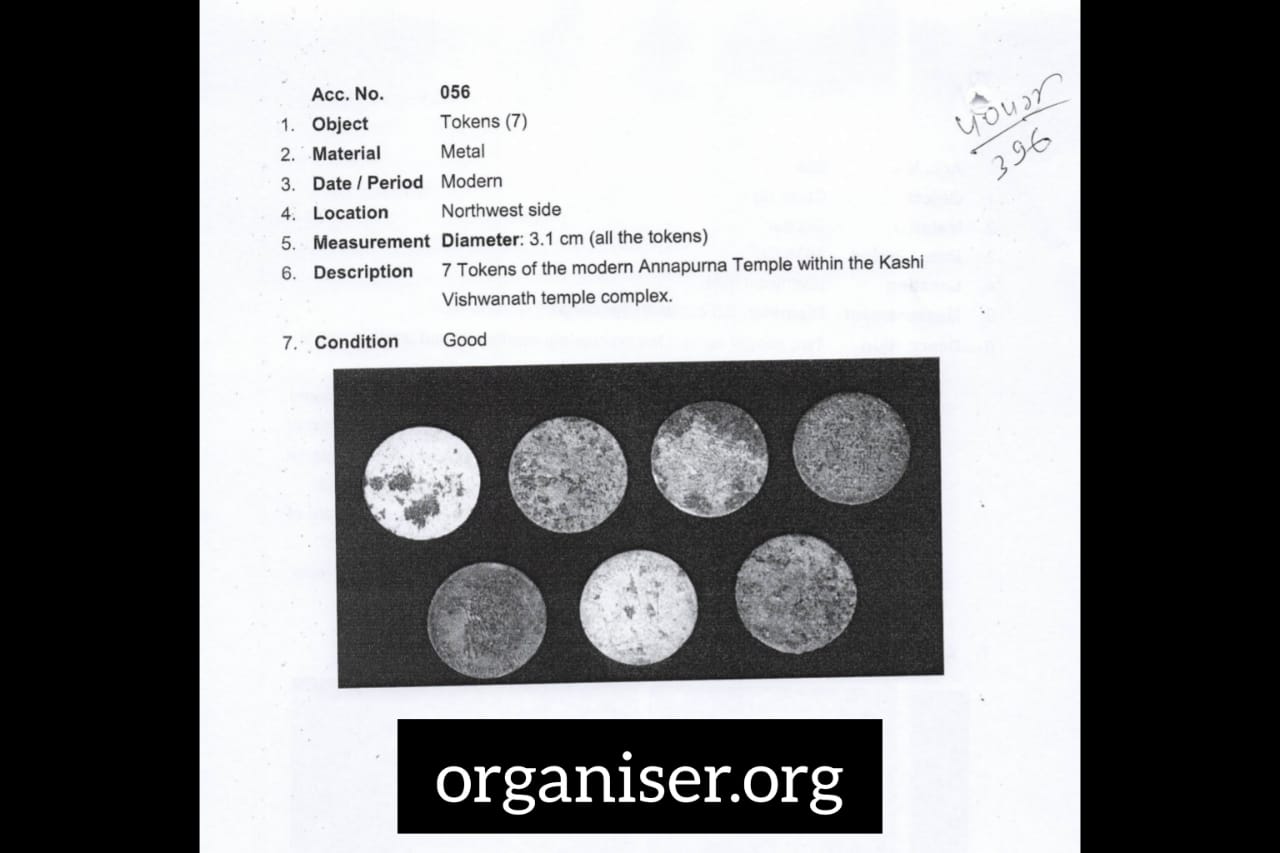
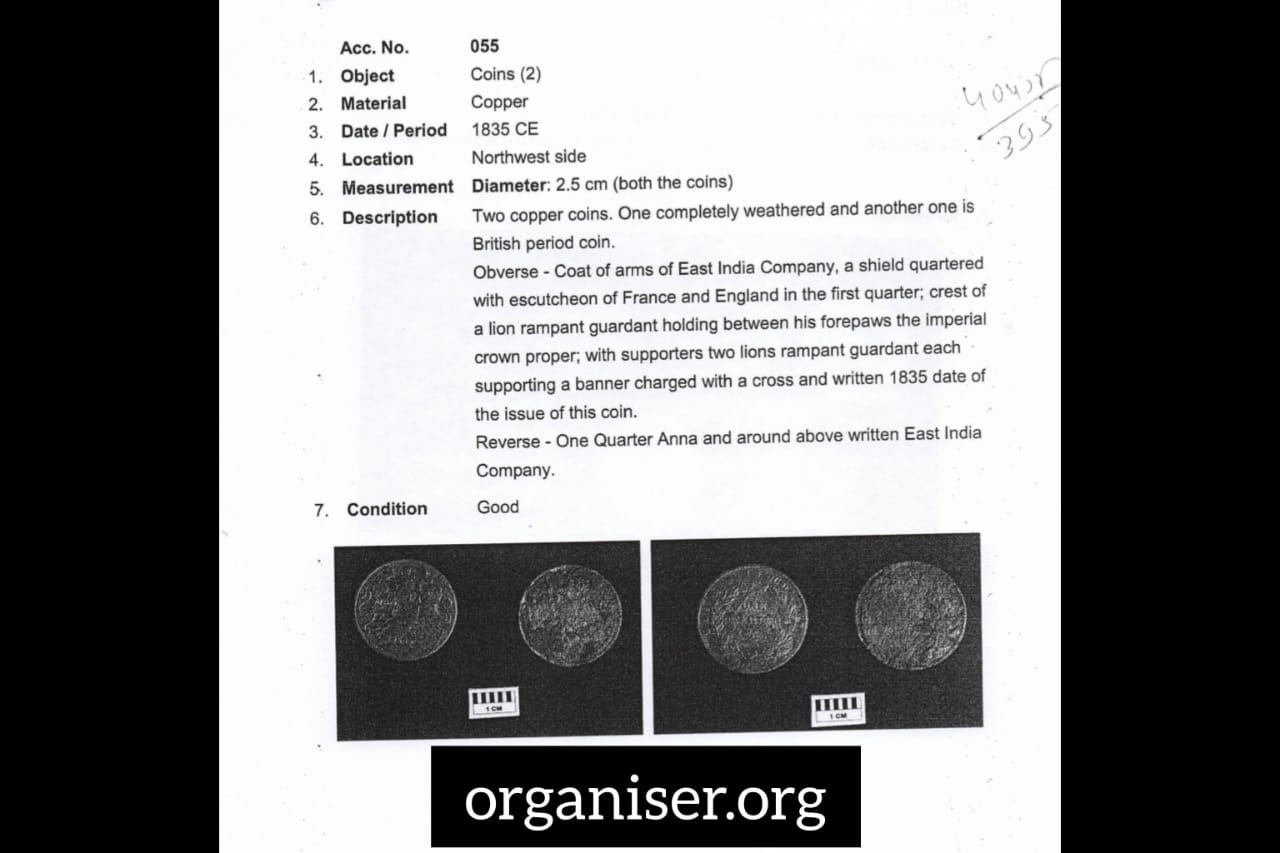
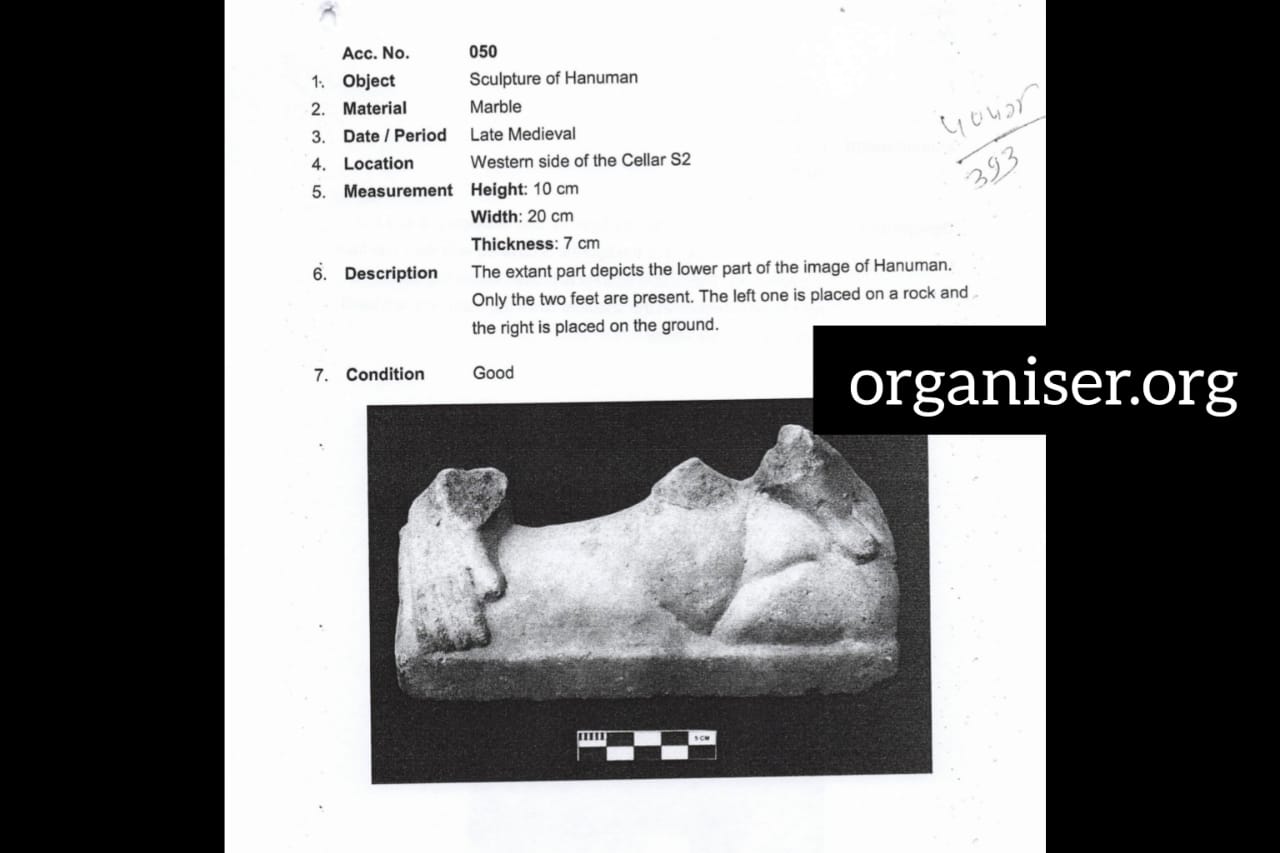
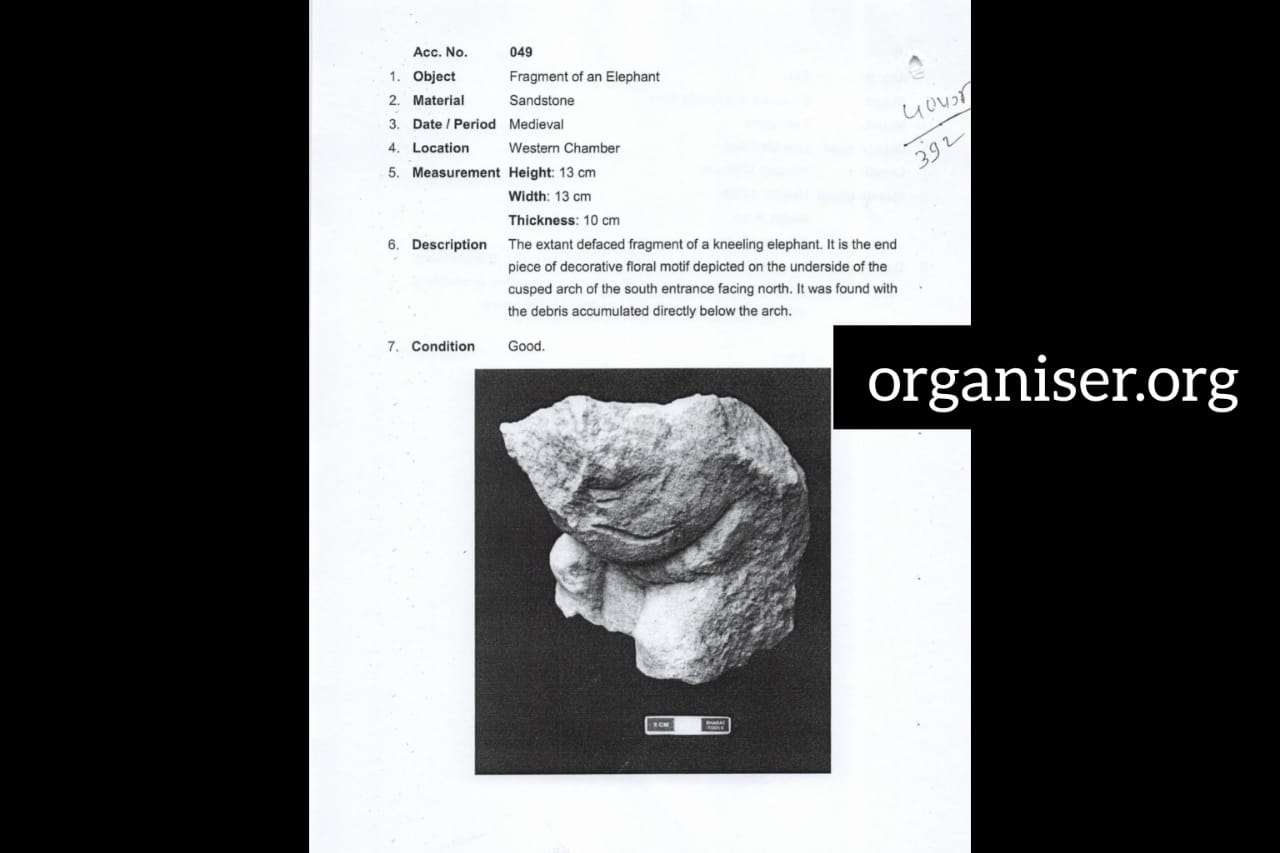
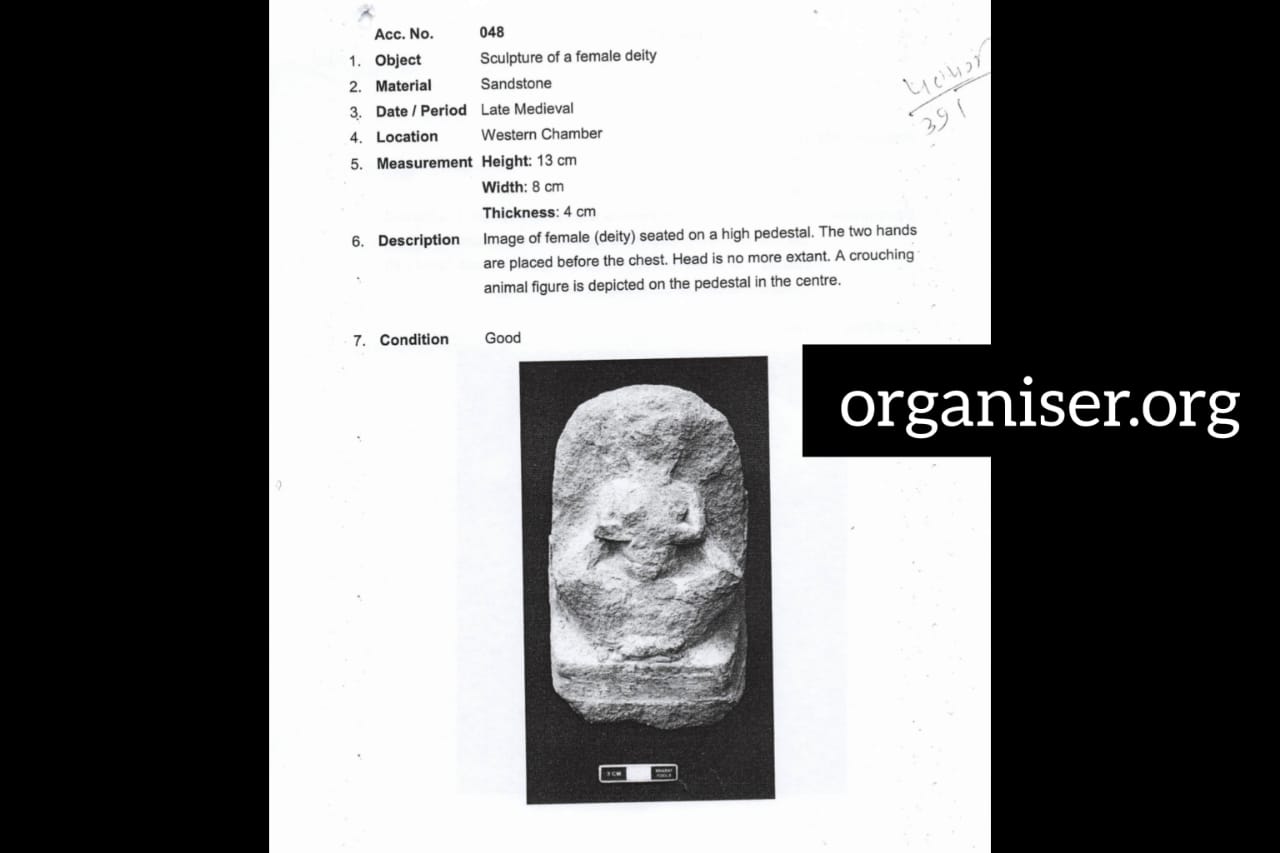
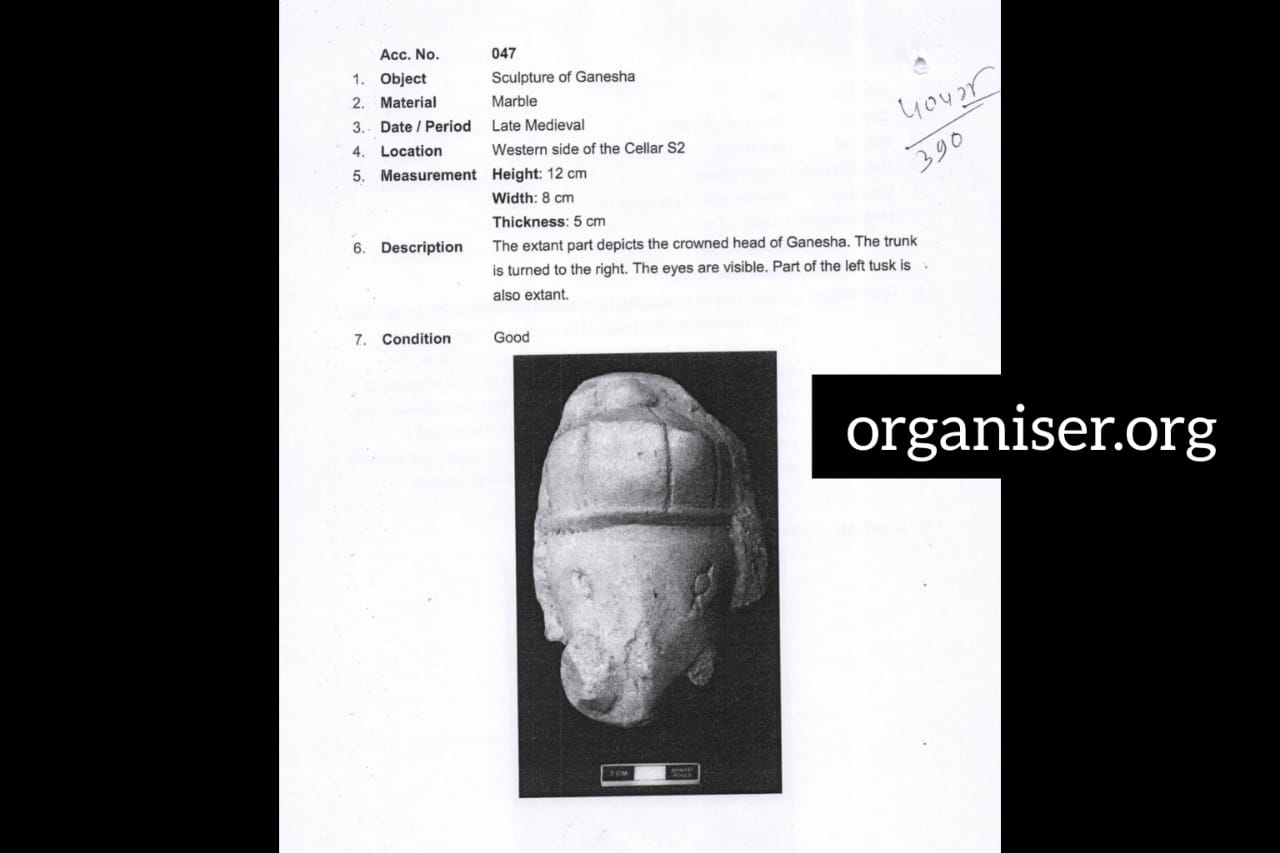
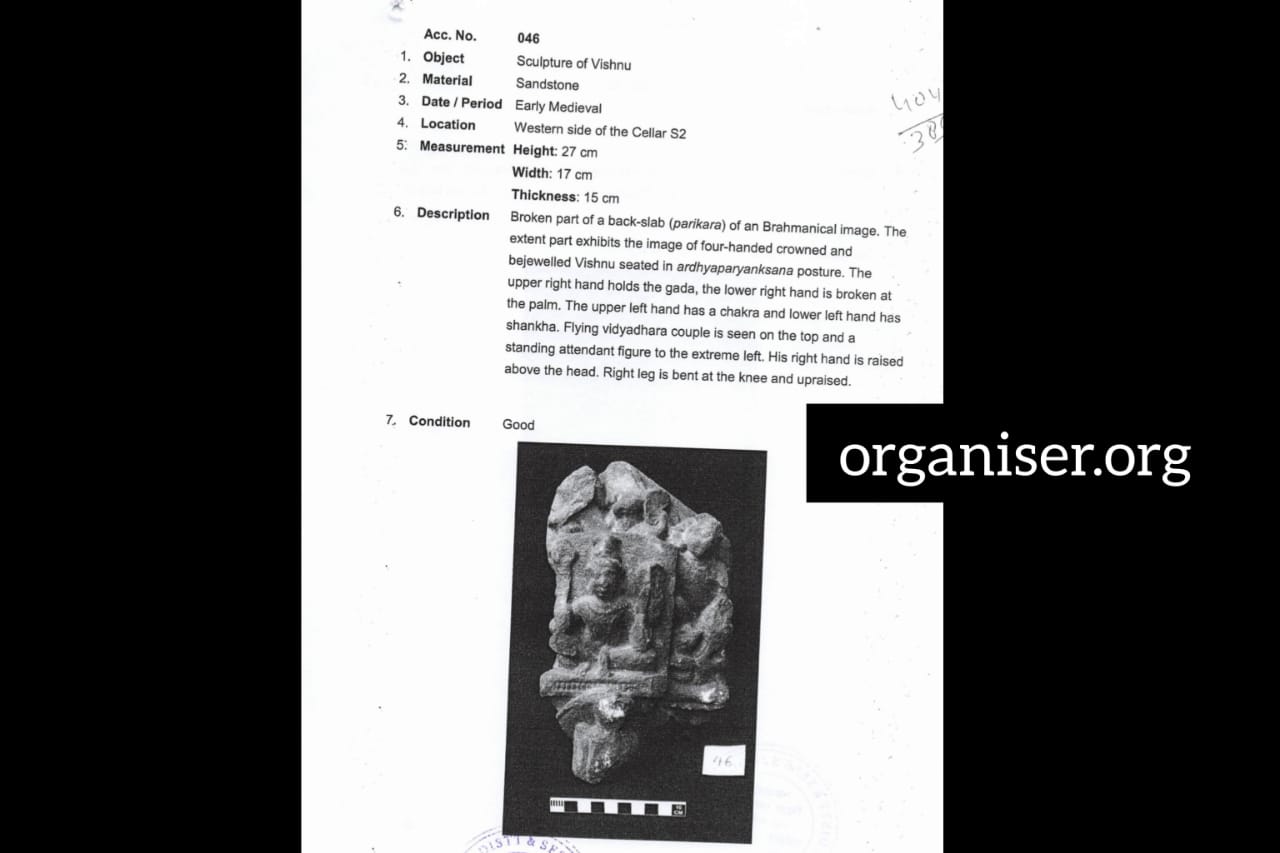
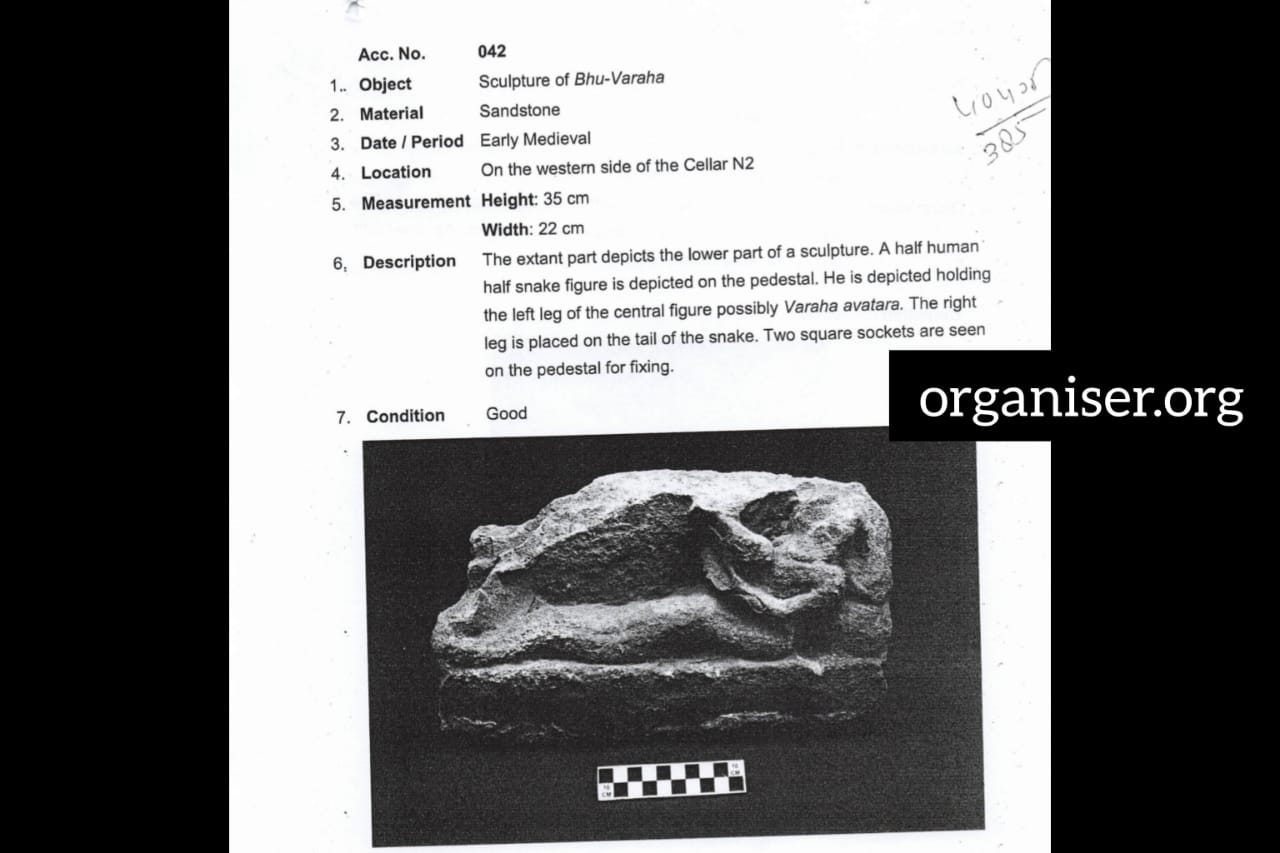
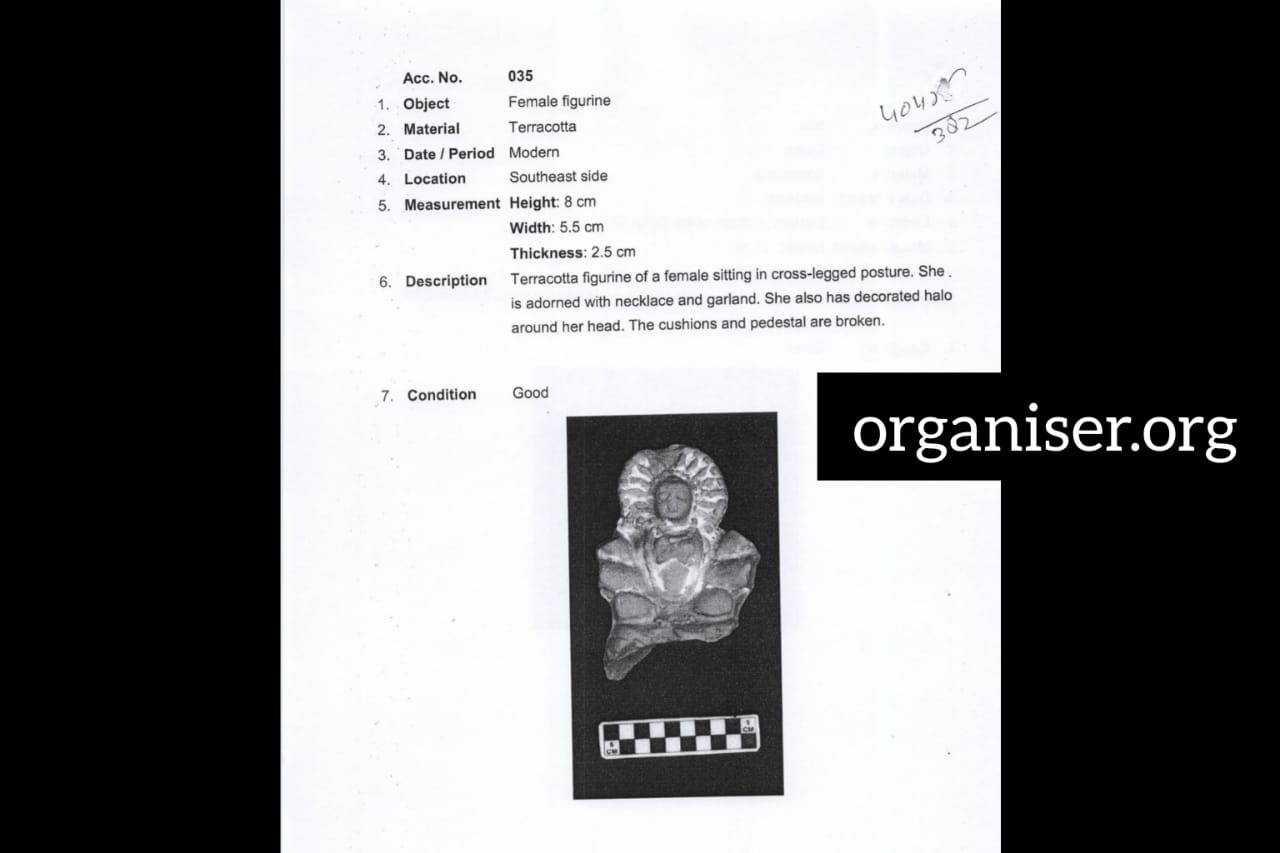
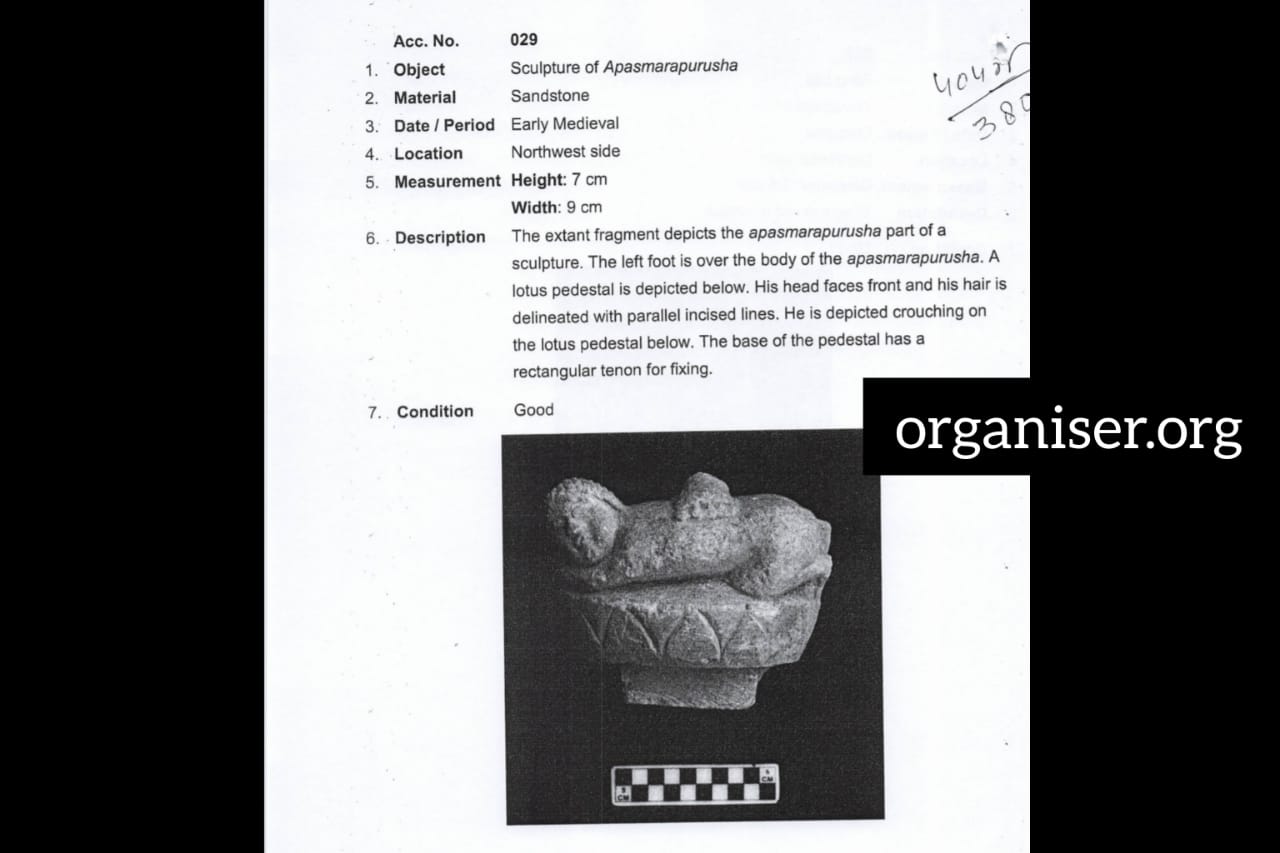
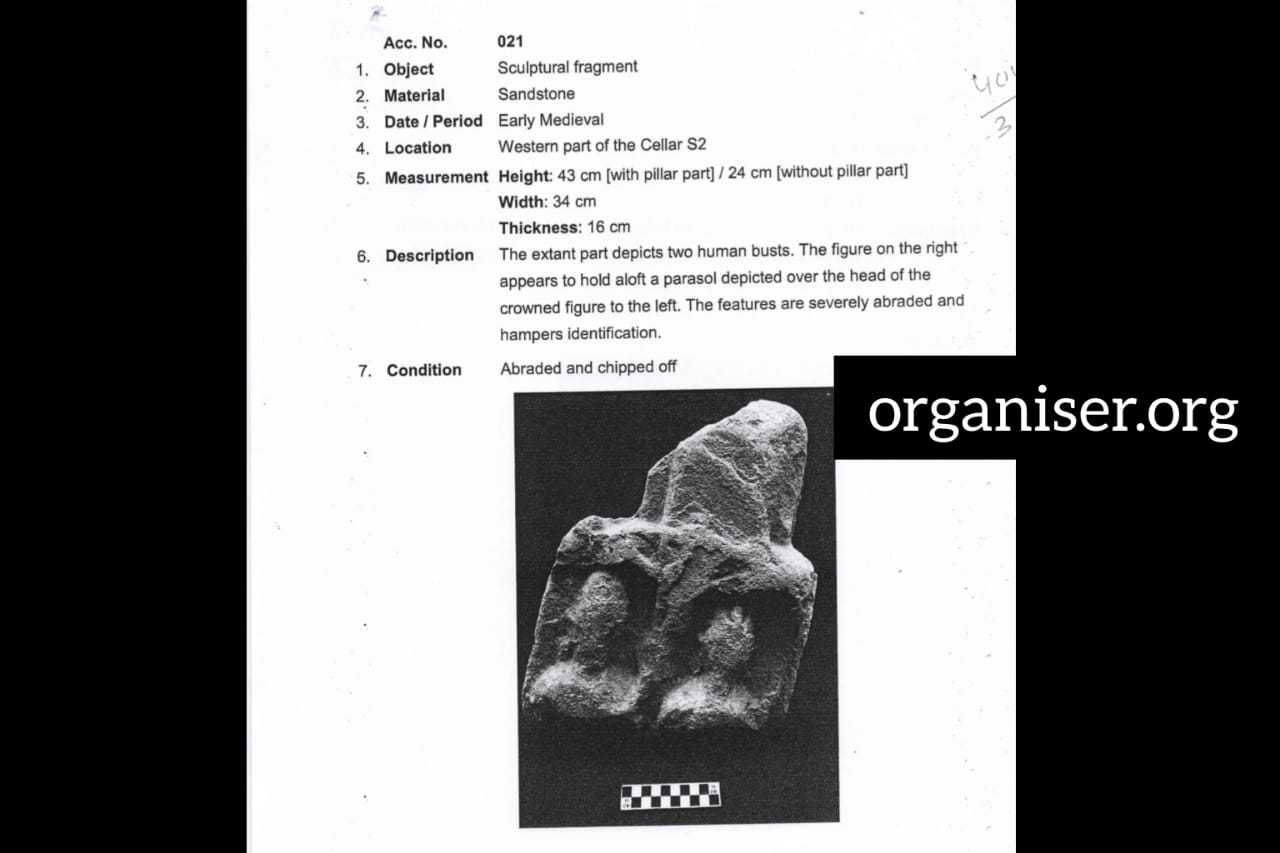
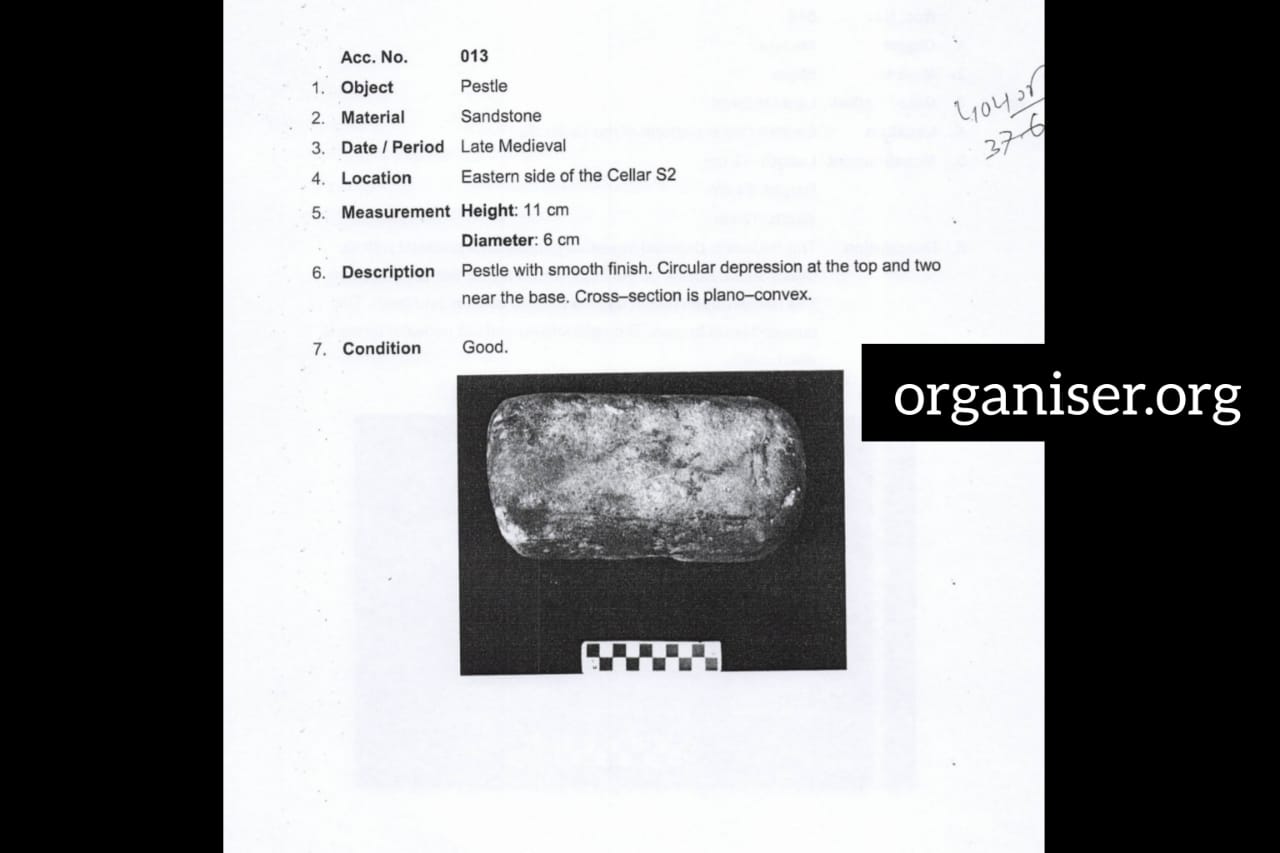
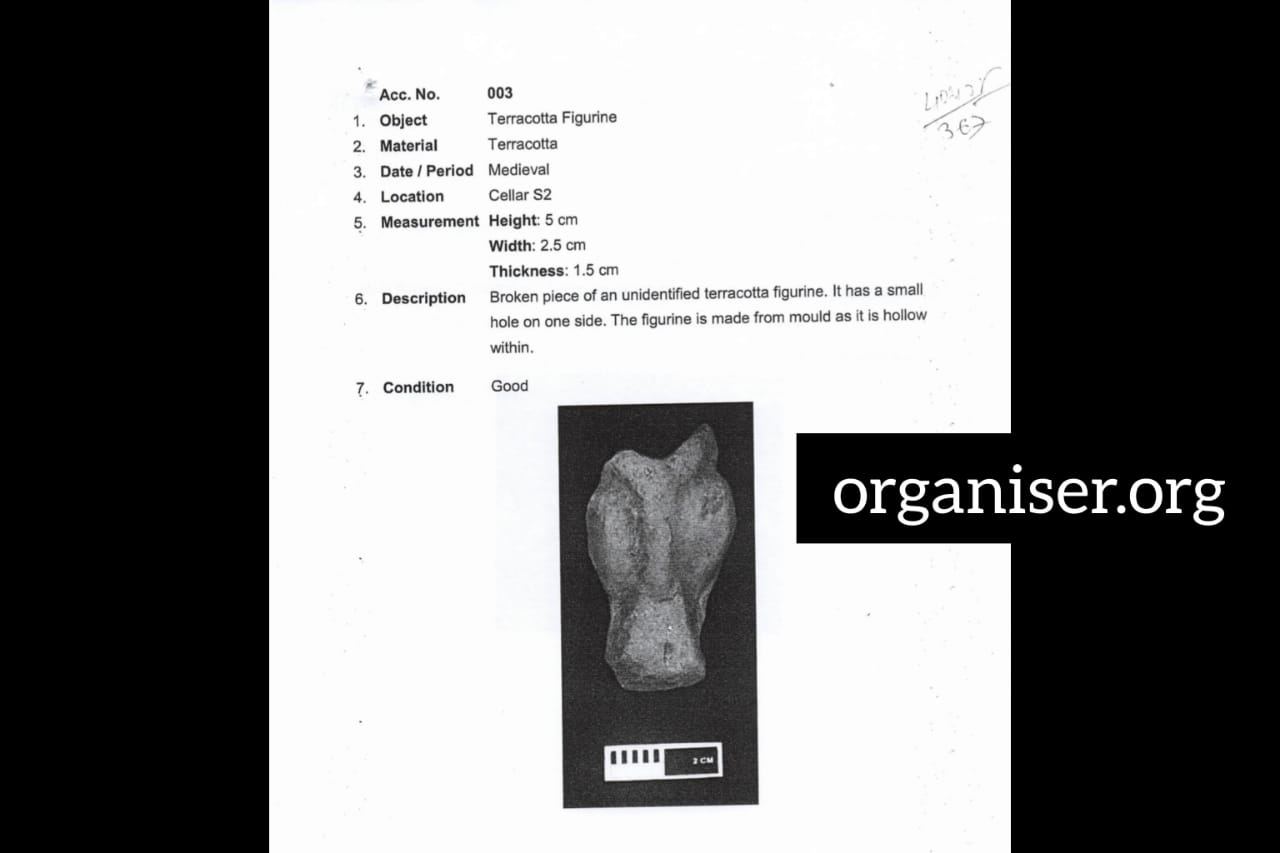
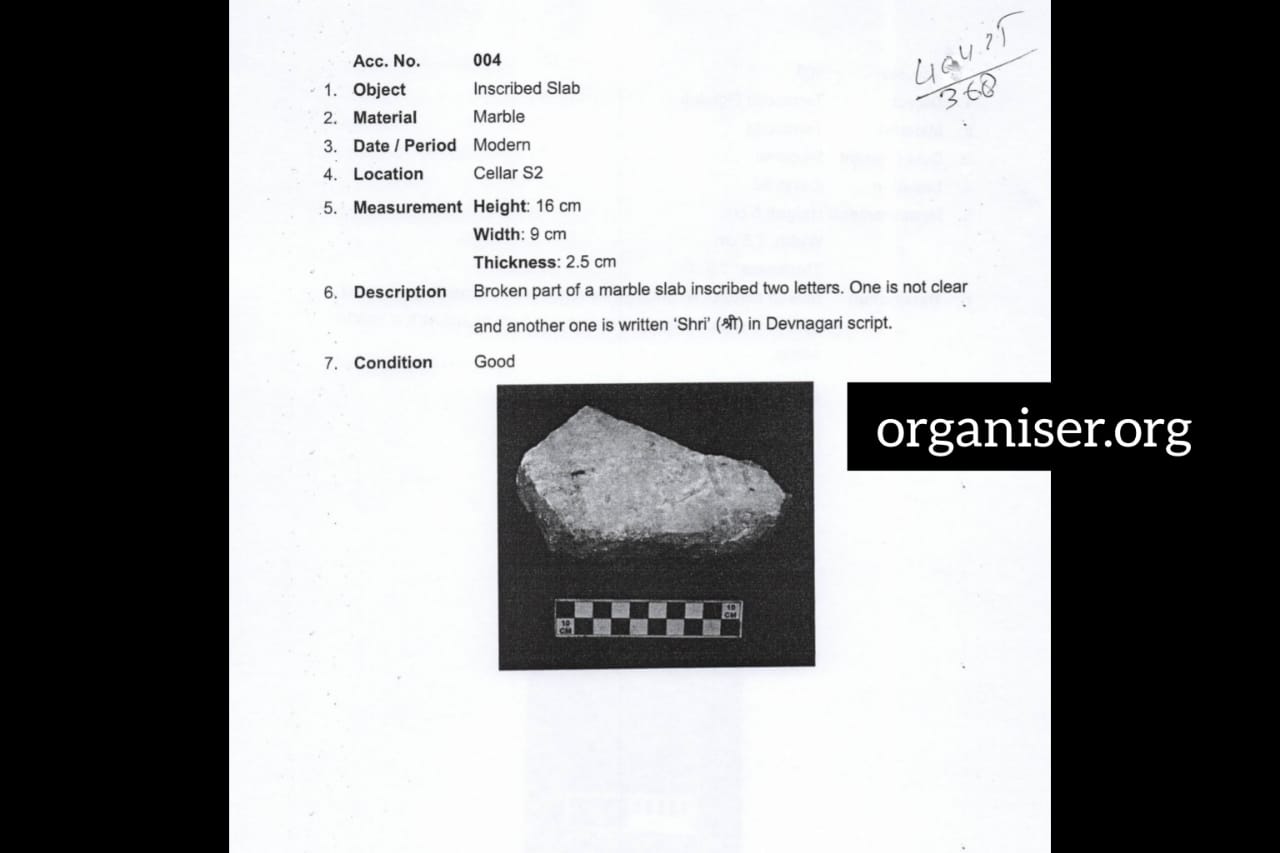
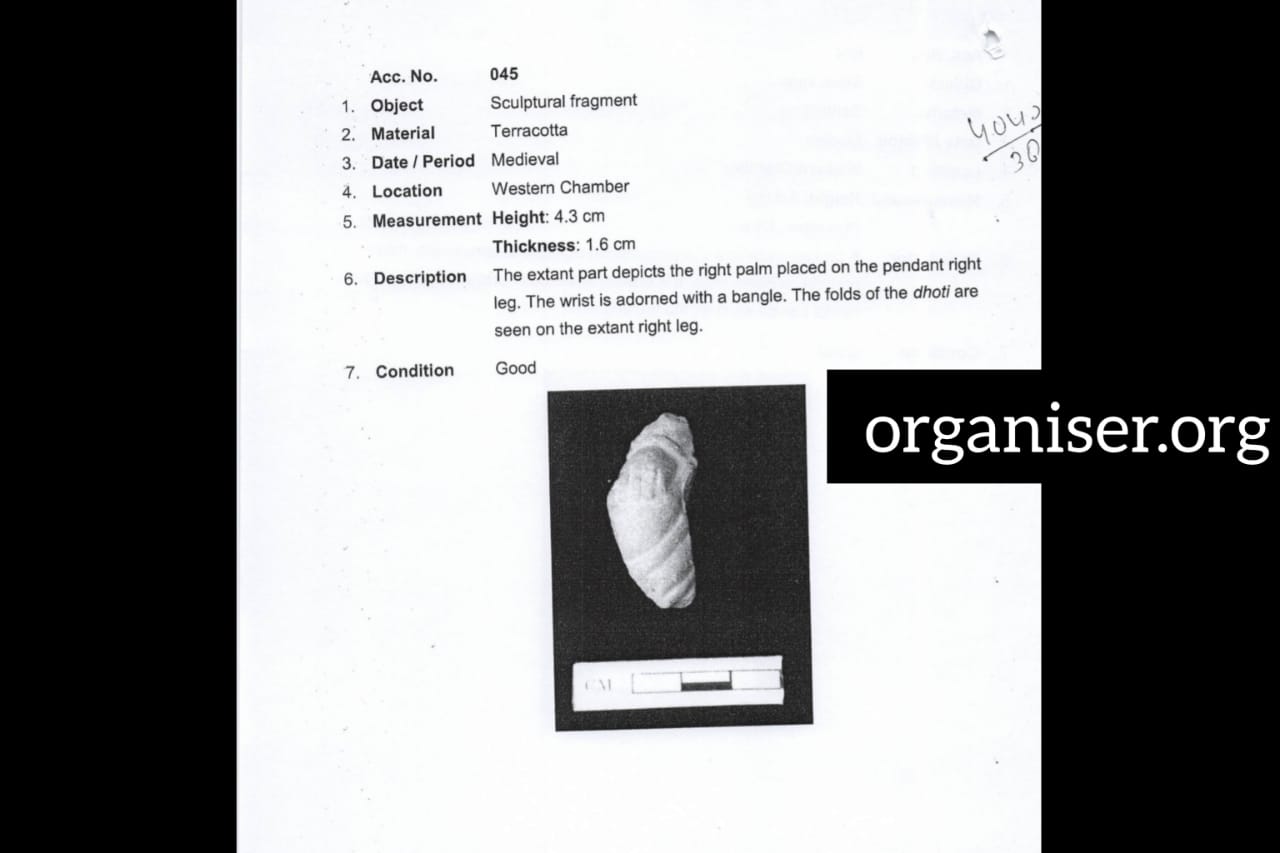
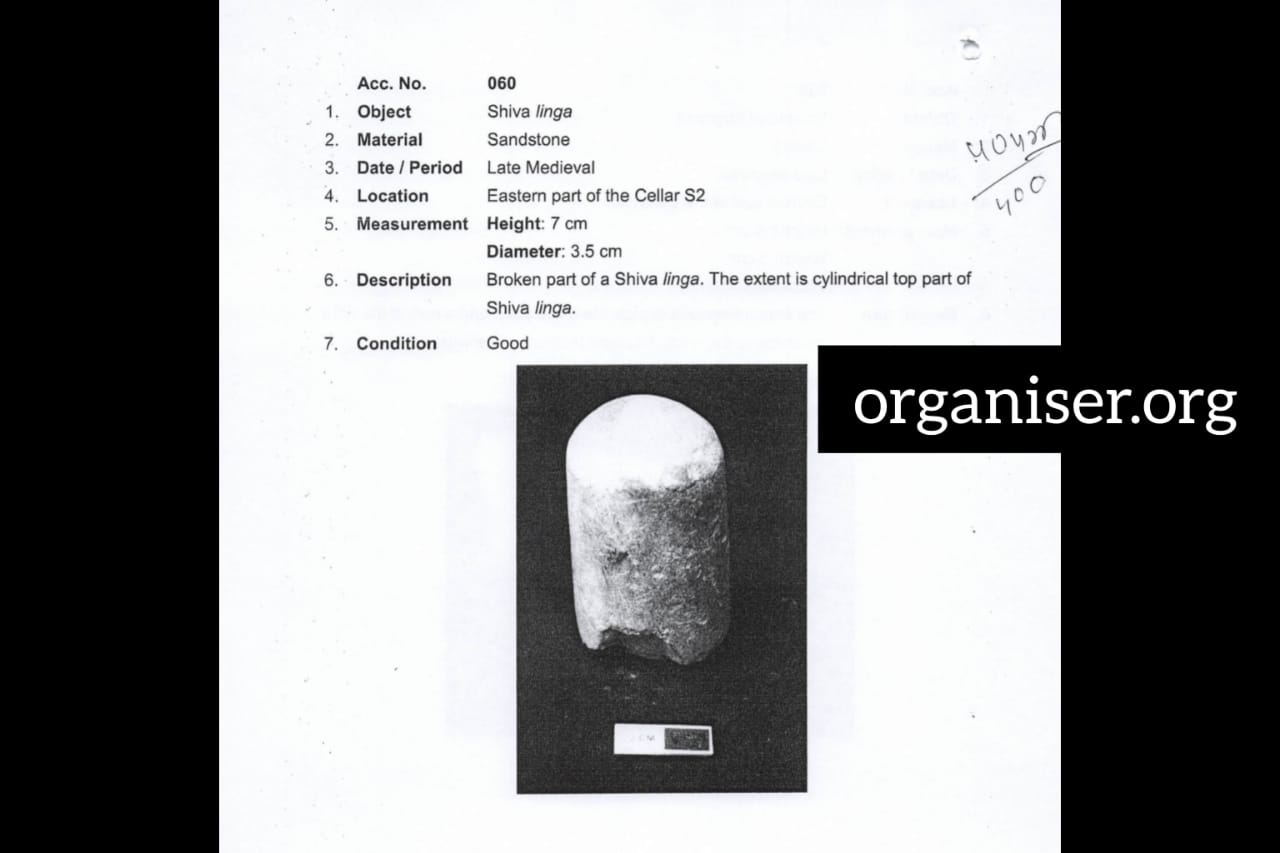
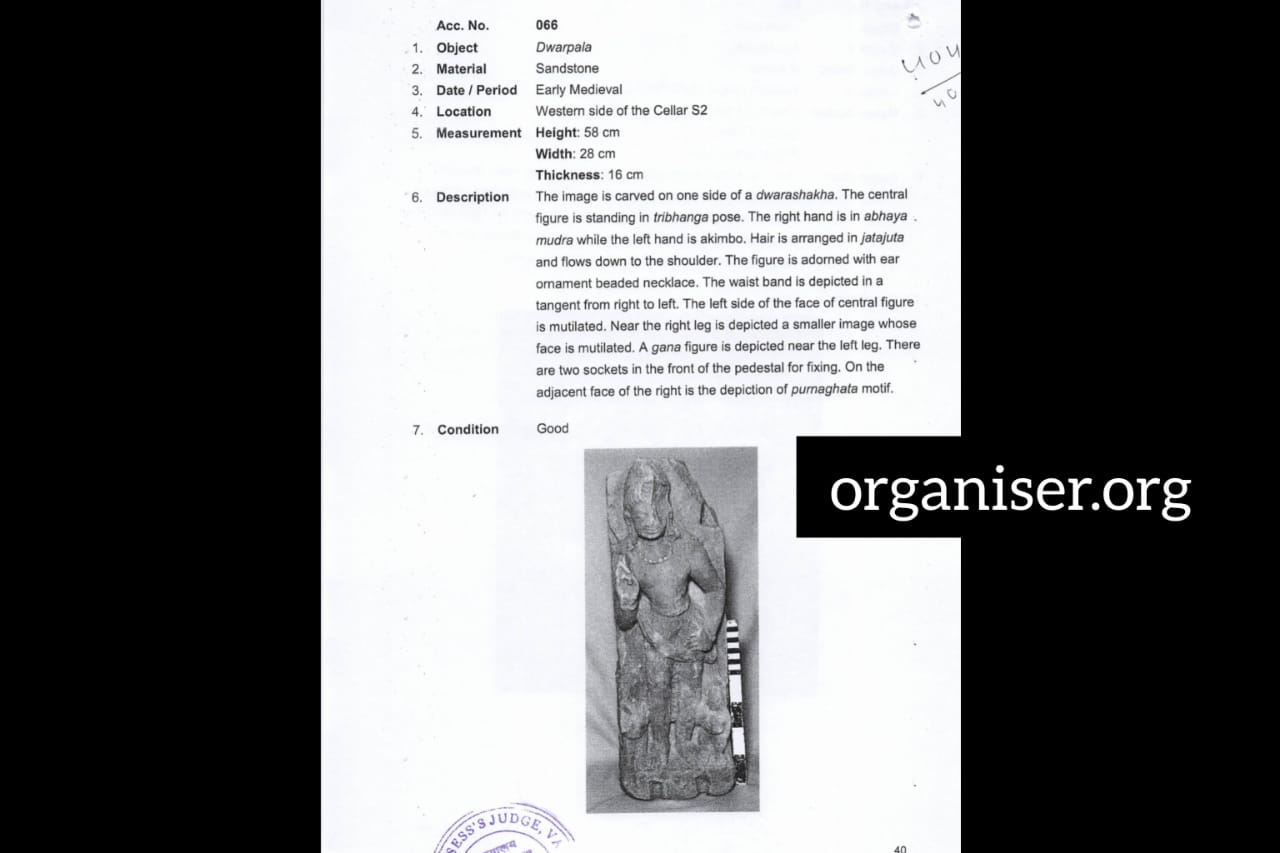
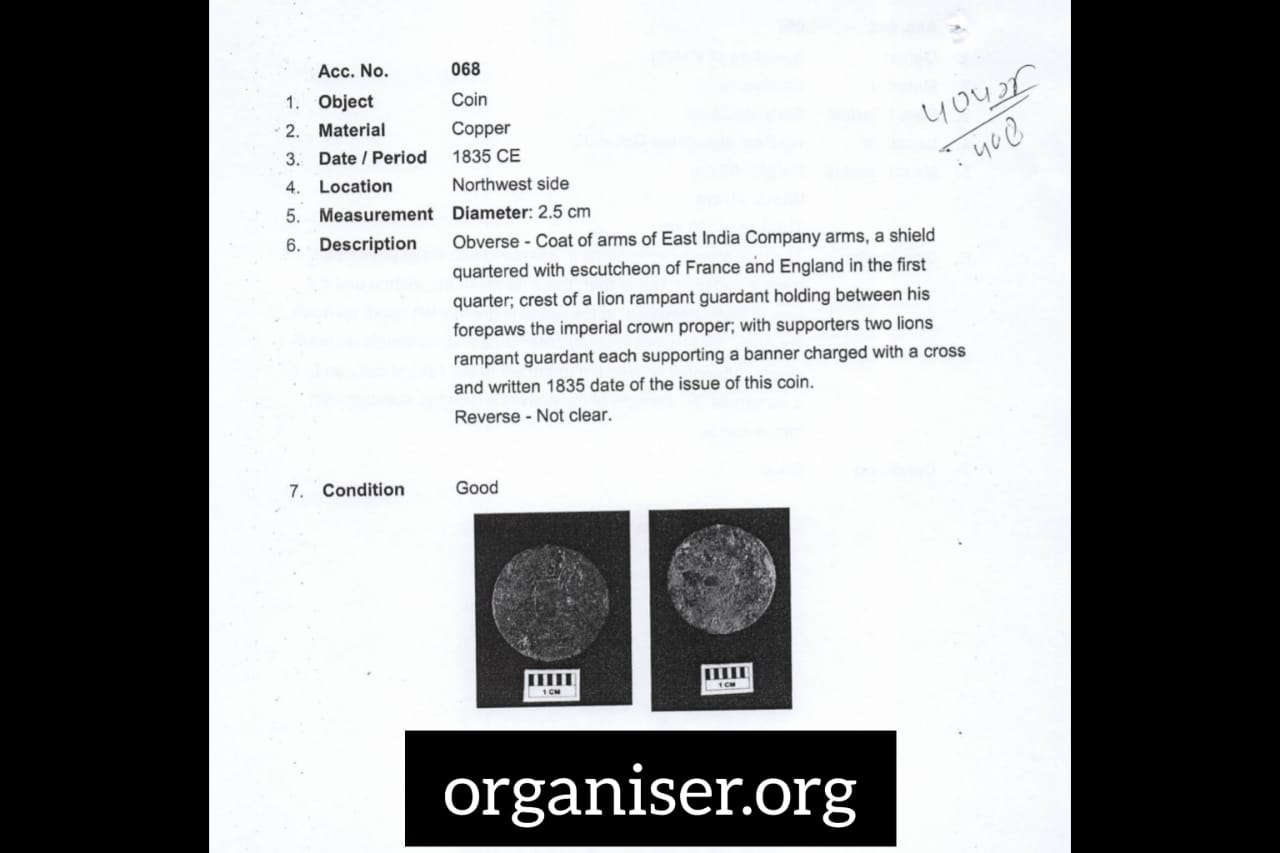
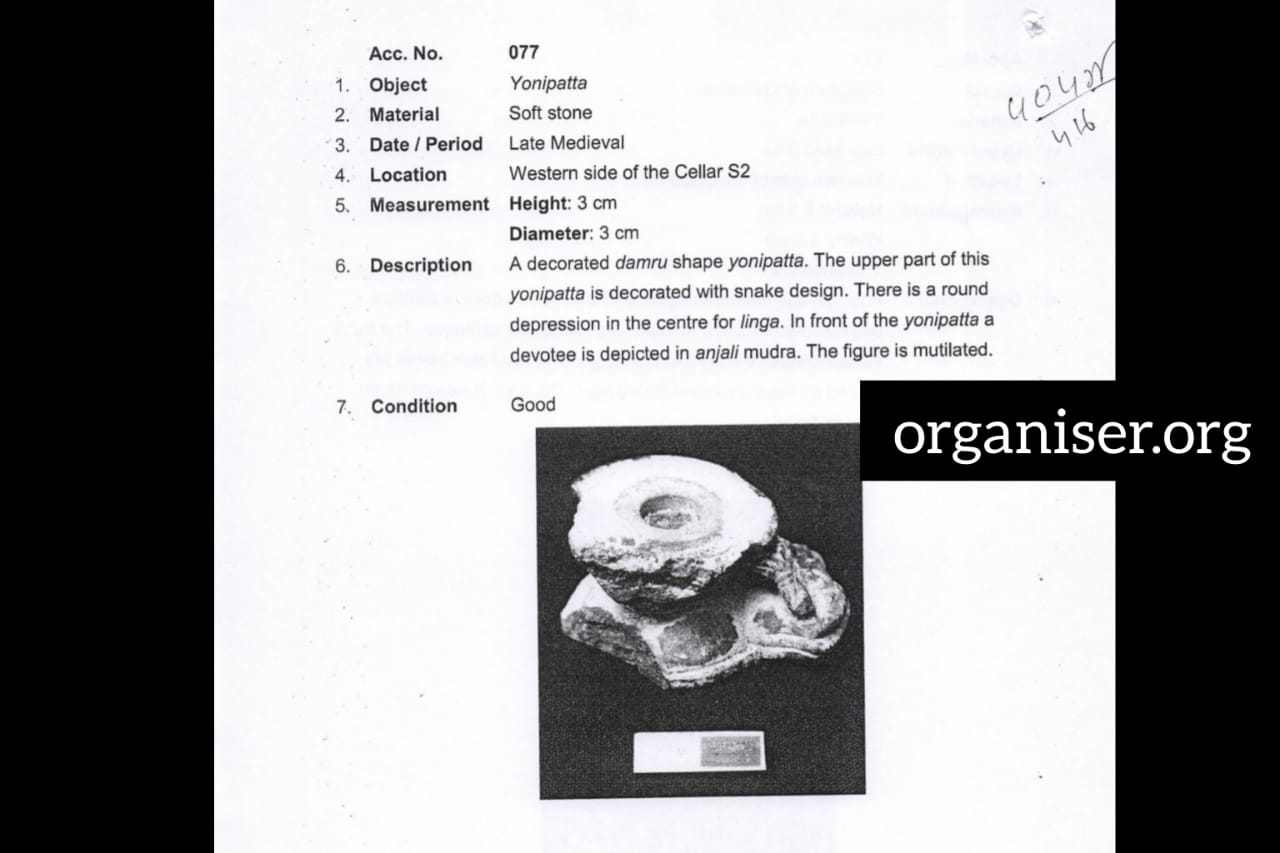
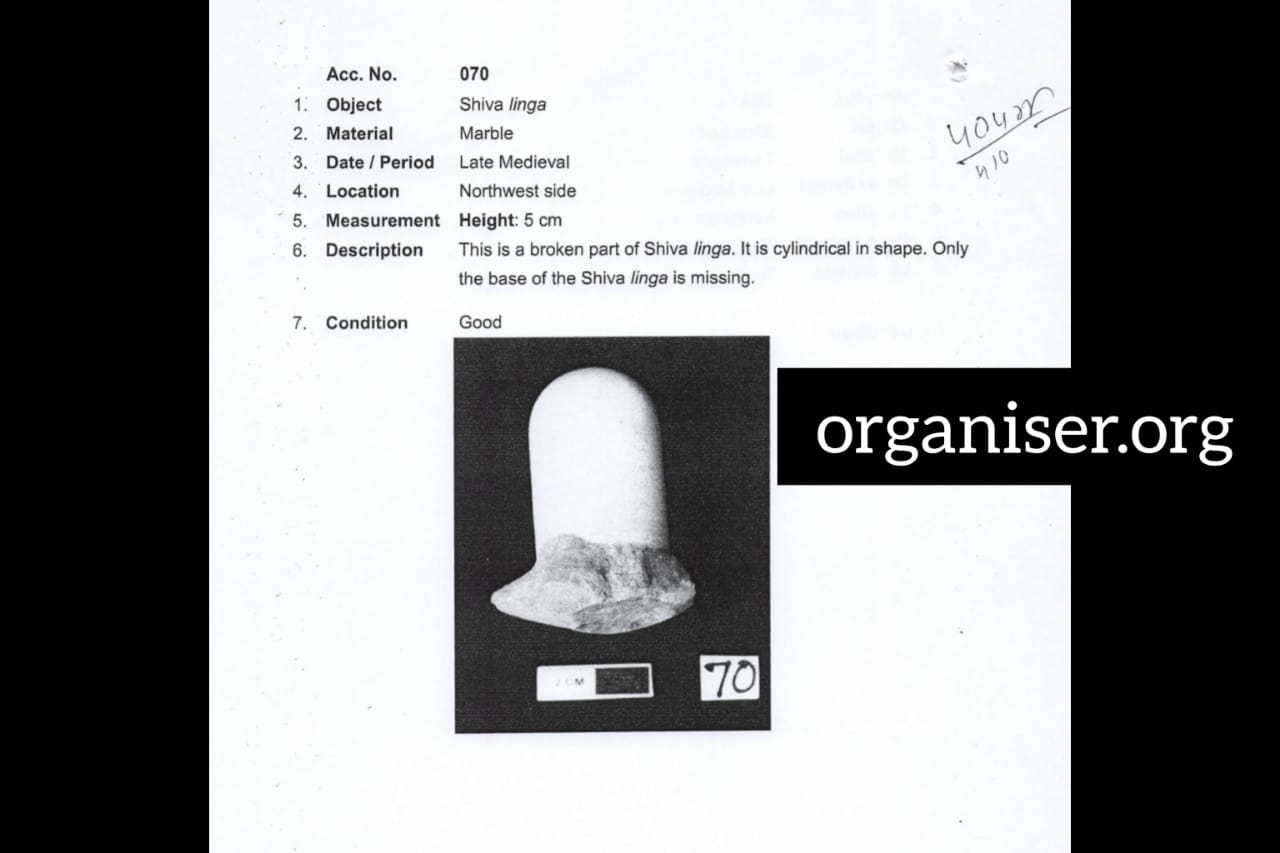
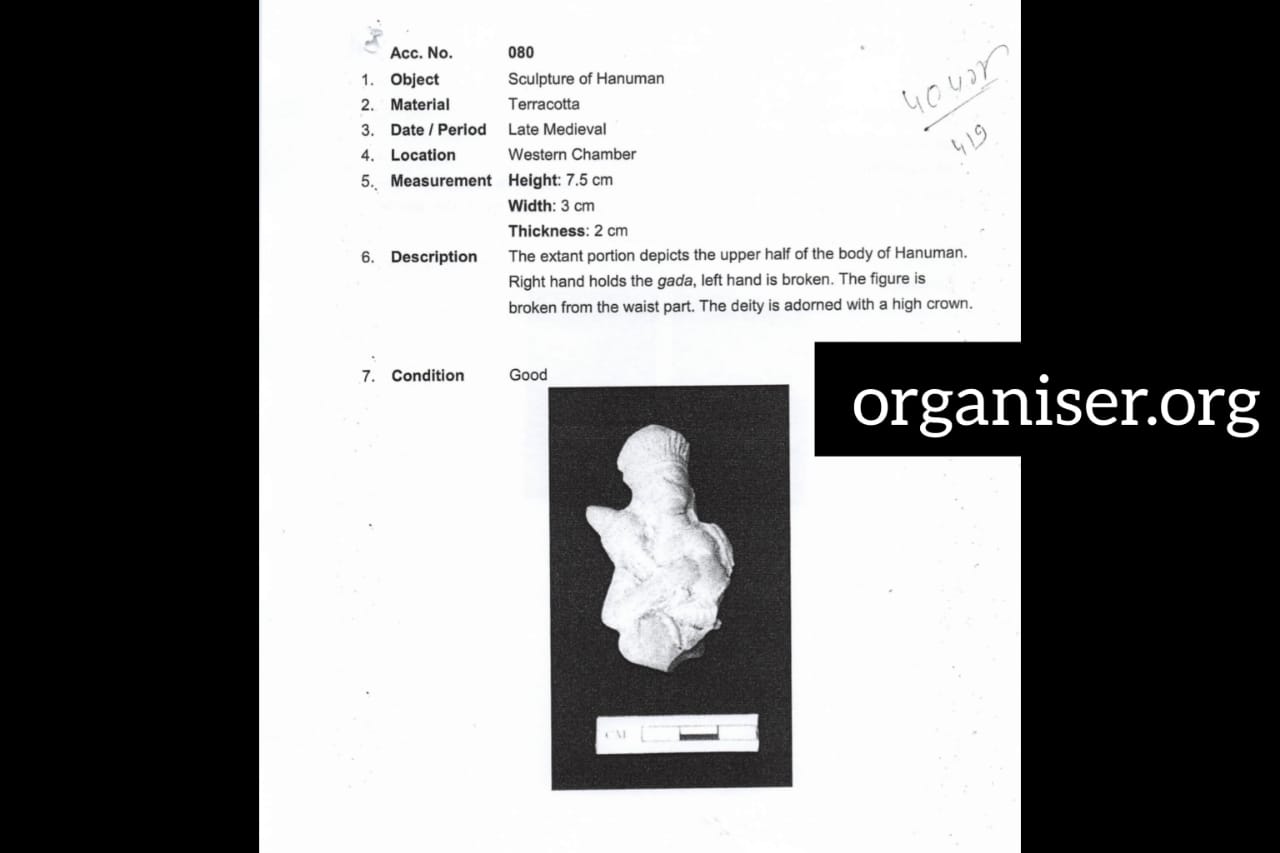
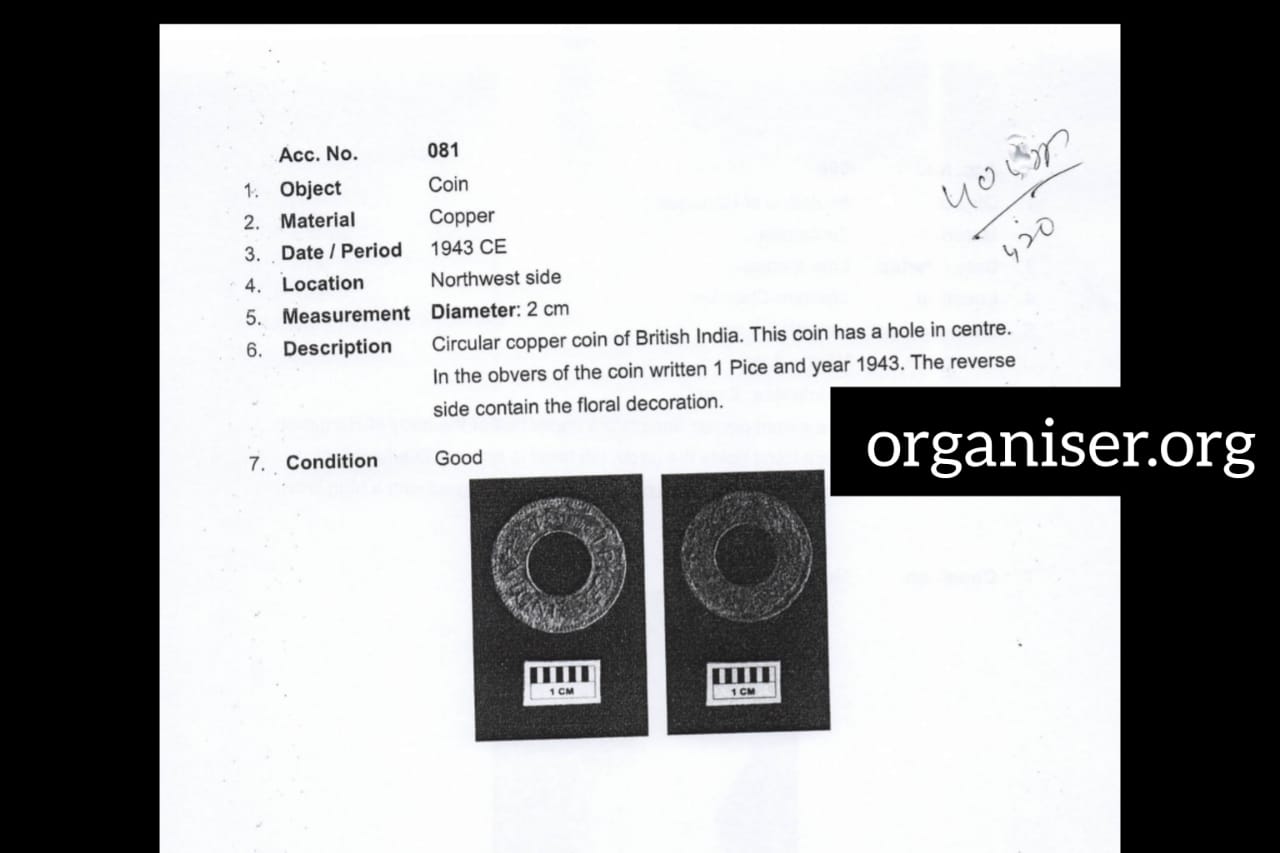
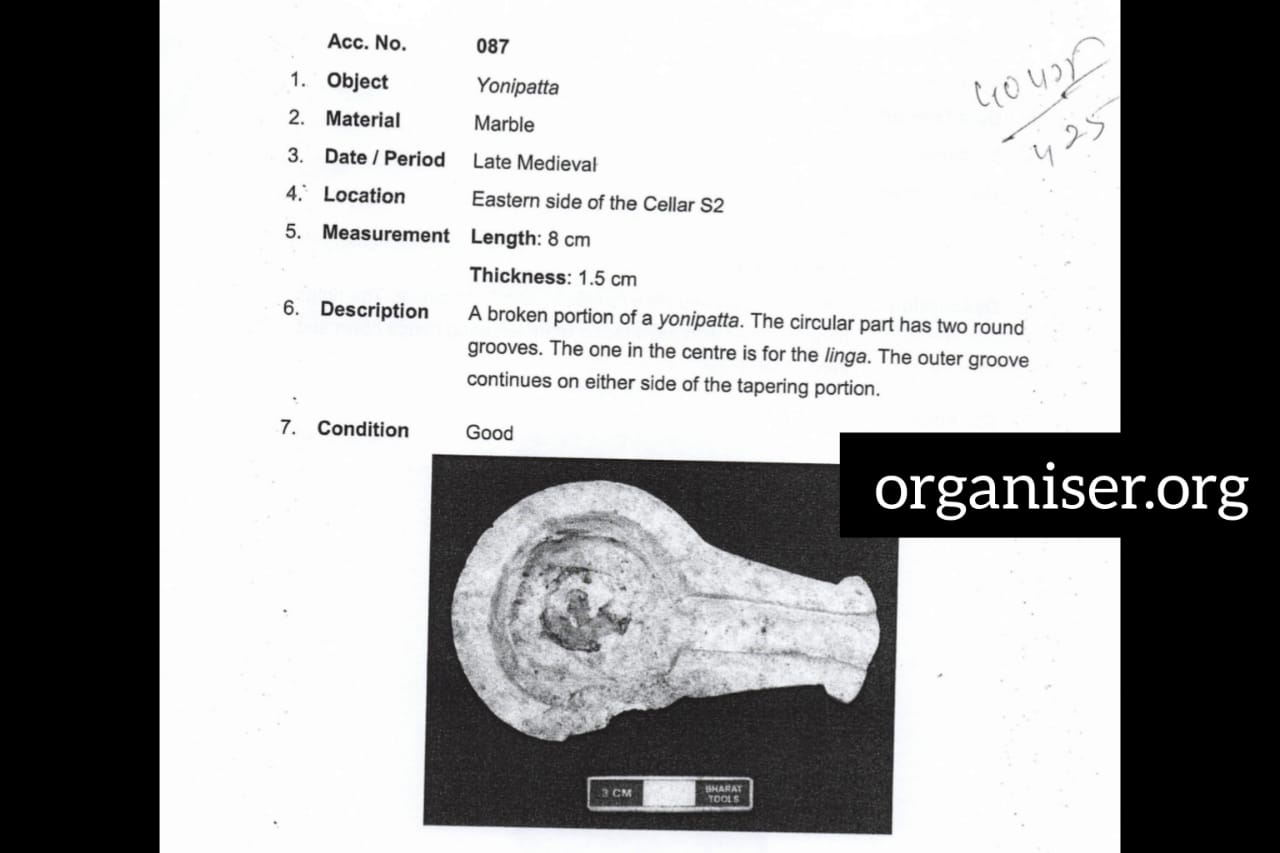
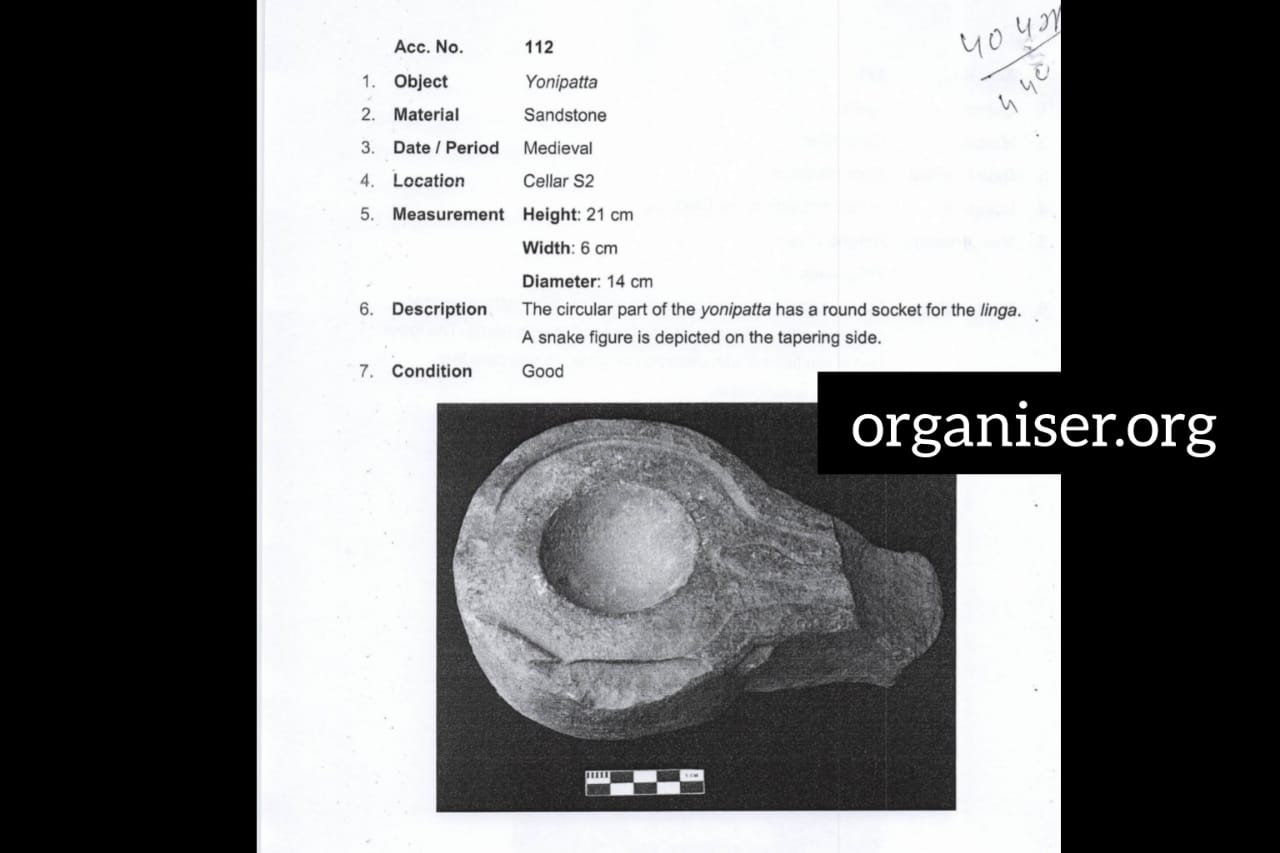
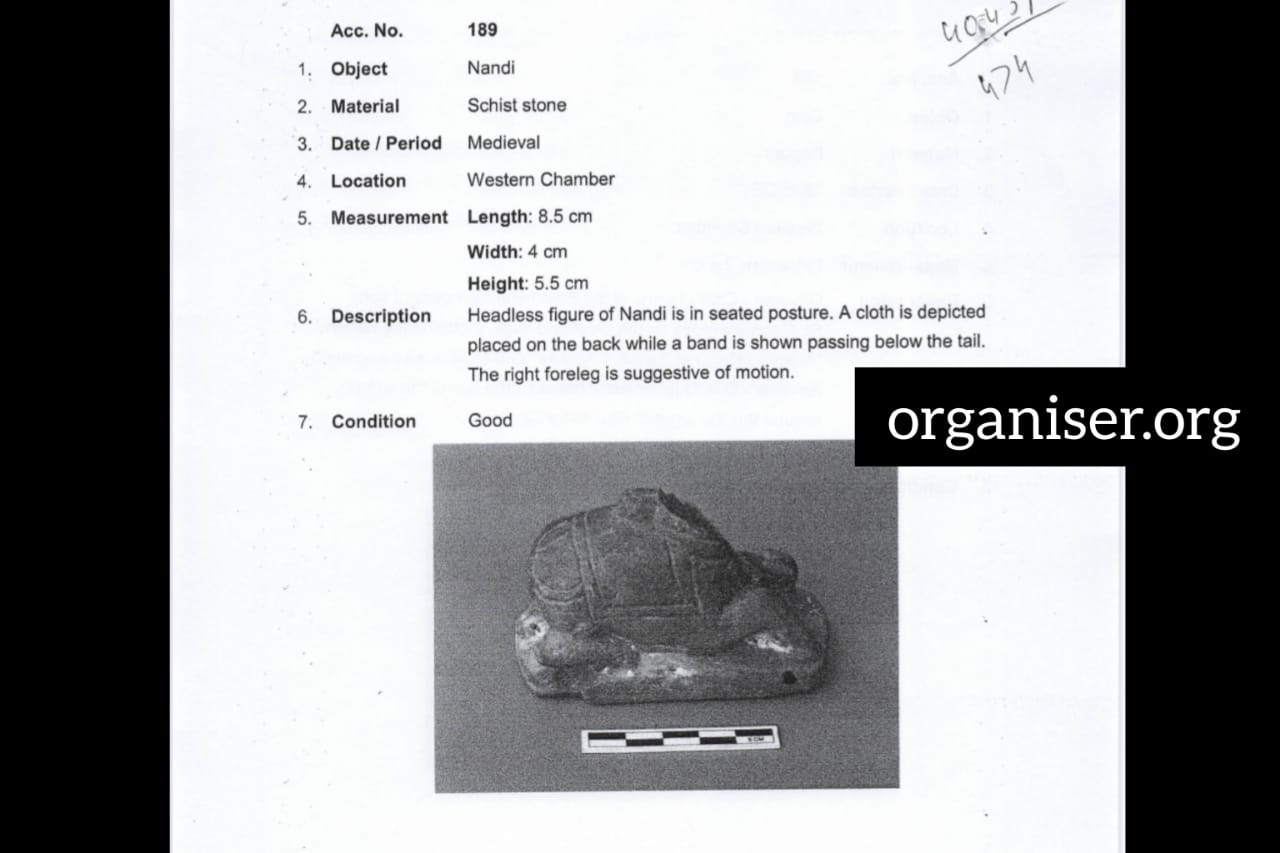
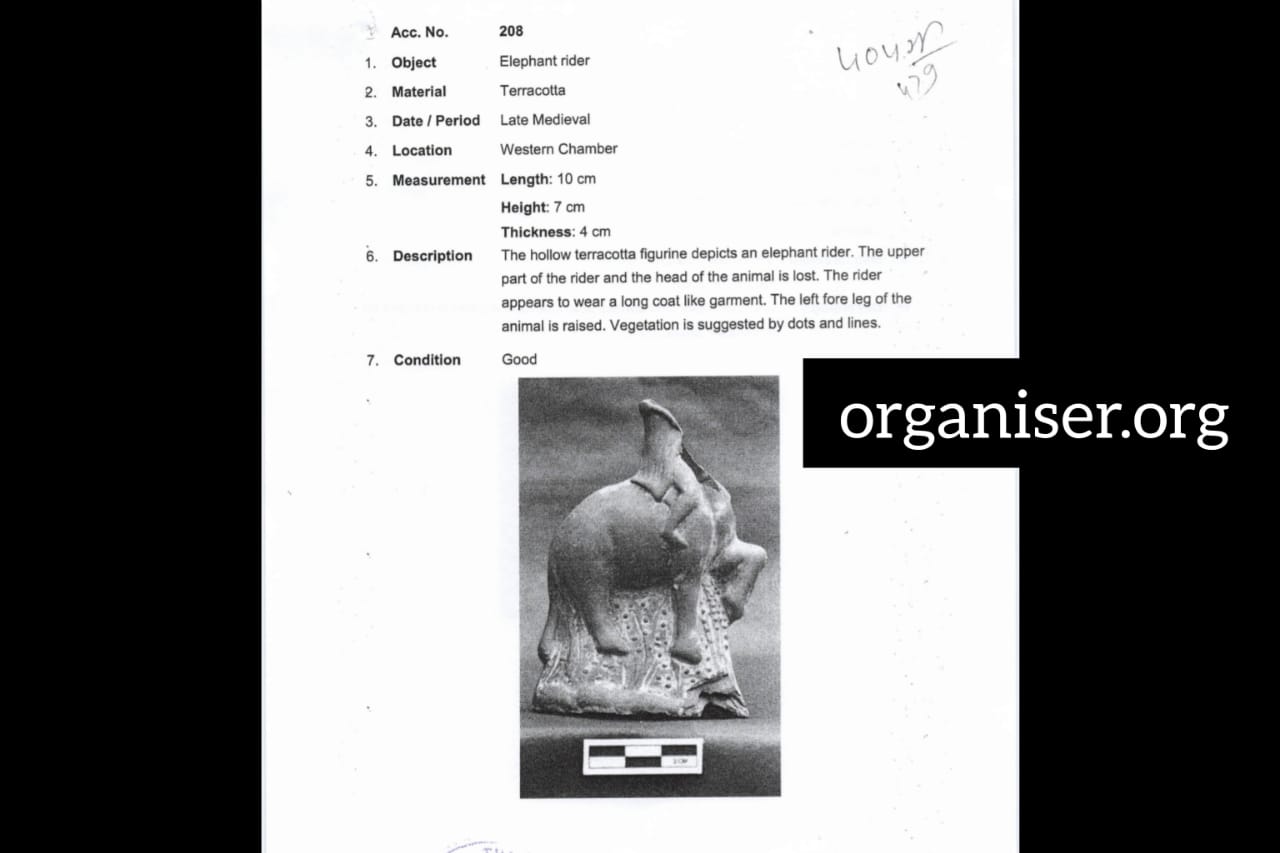
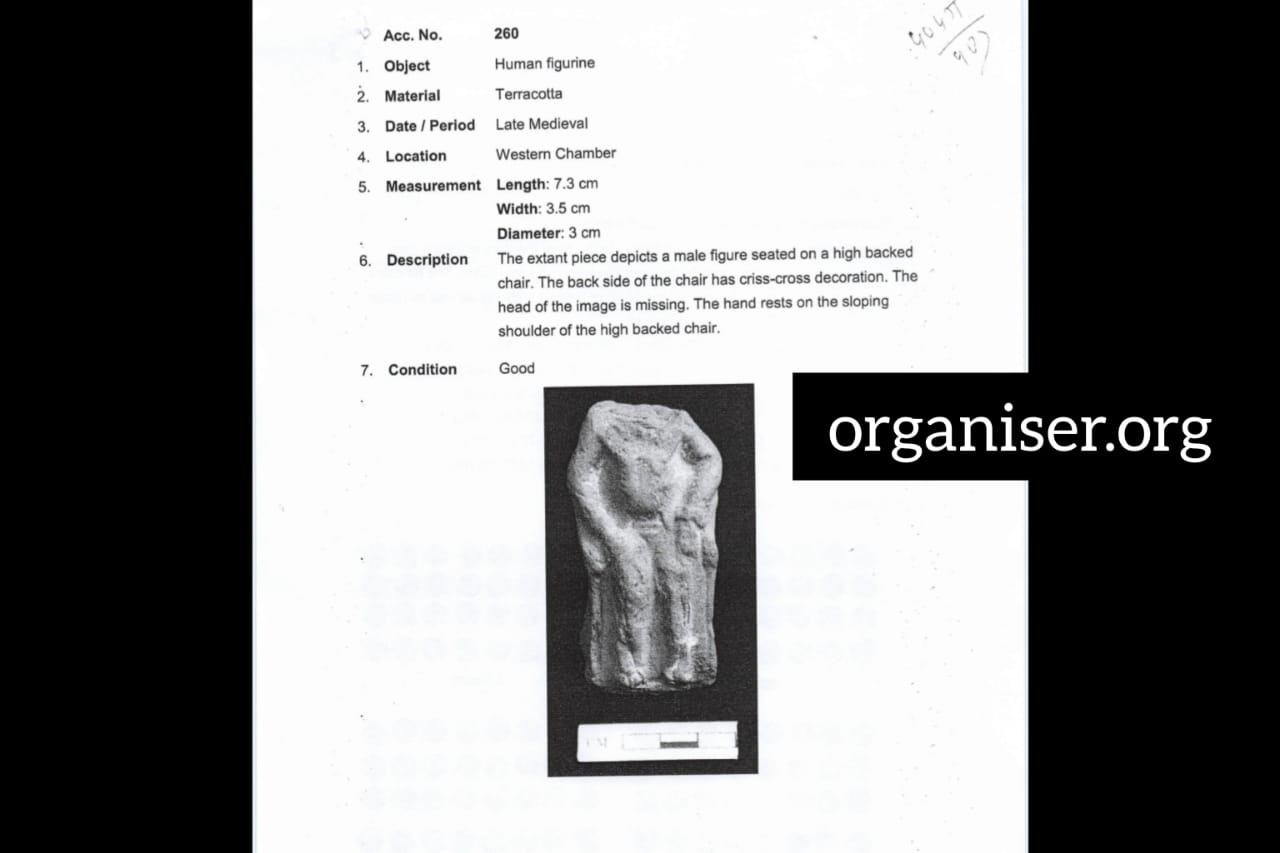
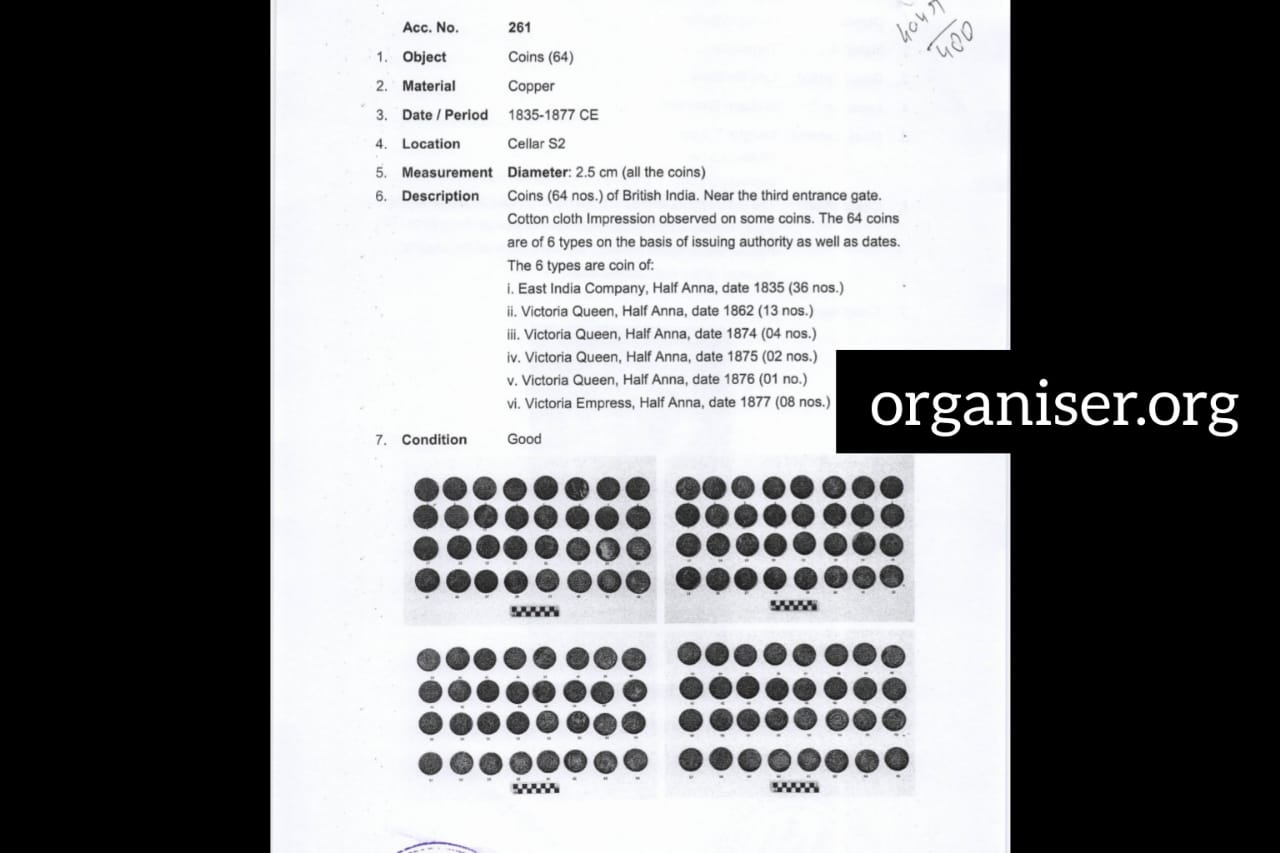
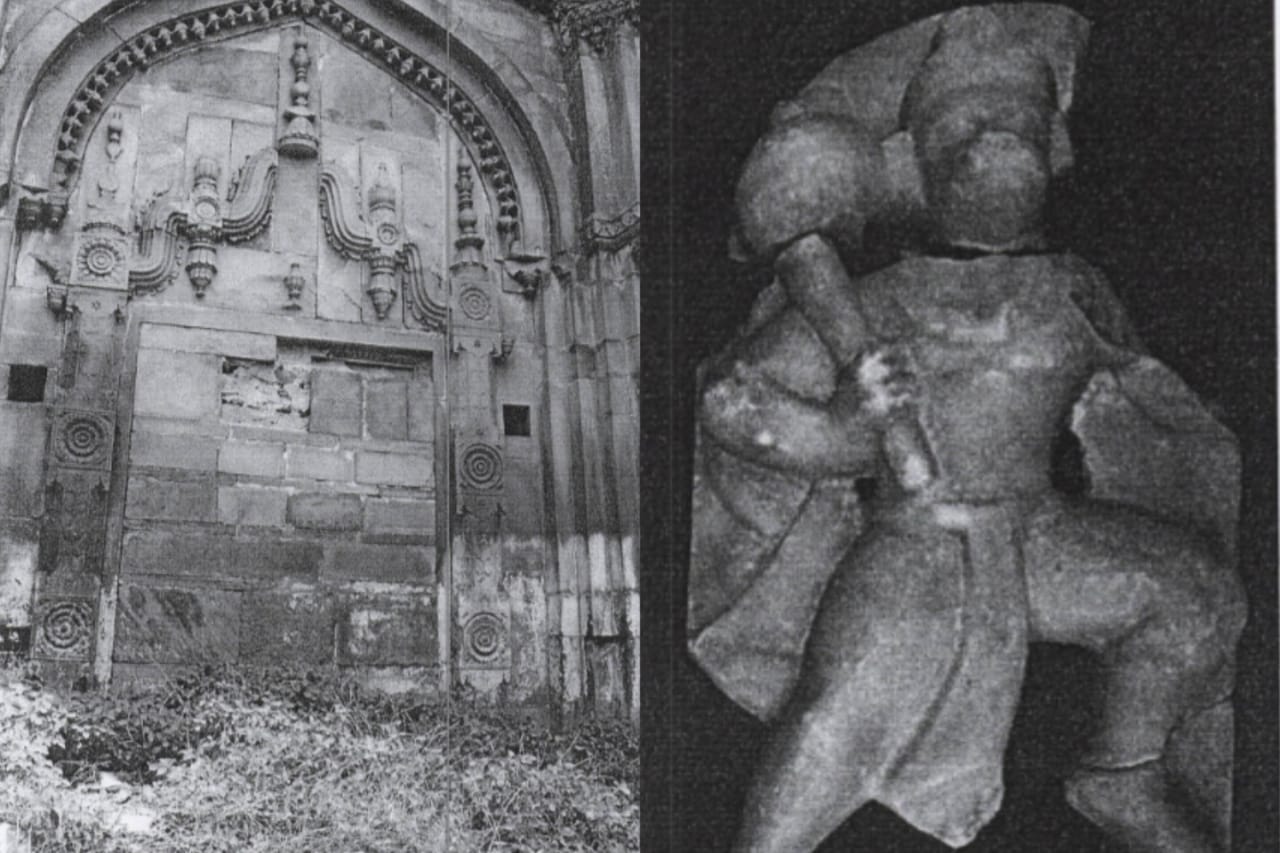
With the release of the 850-page ASI report in public domain, we bring to you a comprehensive pictorial representation of the artefacts discovered at the site, which further solidifies the assertion of the existence of a grand mandir preceding the disputed structure. From the broken murti of Hanumanji to the ‘Ram’ inscription on a marble slab, there are many shocking revelations made in this report. The following story will give an overview of the findings.