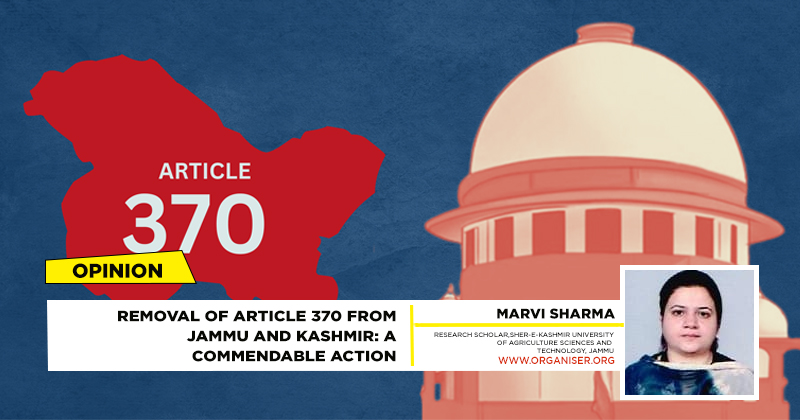
Revocation of article 370 from Jammu and Kashmir: A commendable action
July 16, 2026
  • Read Ecopy
  • Circulation
  • Advertise
  • Careers
  • About Us
  • Contact Us
Android AppiPhone AppArattai
Organiser
  • ‌
  • Bharat
    • Assam
    • Bihar
    • Chhattisgarh
    • Jharkhand
    • Maharashtra
    • View All States
  • World
    • Asia
    • Europe
    • North America
    • South America
    • Africa
    • Australia
  • Editorial
  • International
  • Opinion
  • RSS @ 100
  • More
    • Op Sindoor
    • Analysis
    • Sports
    • Defence
    • Politics
    • Business
    • Economy
    • Culture
    • Special Report
    • Sci & Tech
    • Entertainment
    • G20
    • Azadi Ka Amrit Mahotsav
    • Vocal4Local
    • Web Stories
    • Education
    • Employment
    • Books
    • Interviews
    • Travel
    • Law
    • Health
    • Obituary
  • Subscribe
    • Subscribe Print Edition
    • Subscribe Ecopy
    • Read Ecopy
  • ‌
  • Bharat
    • Assam
    • Bihar
    • Chhattisgarh
    • Jharkhand
    • Maharashtra
    • View All States
  • World
    • Asia
    • Europe
    • North America
    • South America
    • Africa
    • Australia
  • Editorial
  • International
  • Opinion
  • RSS @ 100
  • More
    • Op Sindoor
    • Analysis
    • Sports
    • Defence
    • Politics
    • Business
    • Economy
    • Culture
    • Special Report
    • Sci & Tech
    • Entertainment
    • G20
    • Azadi Ka Amrit Mahotsav
    • Vocal4Local
    • Web Stories
    • Education
    • Employment
    • Books
    • Interviews
    • Travel
    • Law
    • Health
    • Obituary
  • Subscribe
    • Subscribe Print Edition
    • Subscribe Ecopy
    • Read Ecopy
Organiser
  • Home
  • Bharat
  • World
  • Operation Sindoor
  • Editorial
  • Analysis
  • Opinion
  • Culture
  • Defence
  • International Edition
  • RSS @ 100
  • Magazine
  • Read Ecopy
Home Bharat

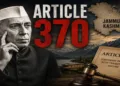
Revocation of article 370 from Jammu and Kashmir: A commendable action

The revocation of Article 370 in Jammu and Kashmir marks a seminal moment in the annals of Indian history, sending ripples across the political, social, and international spheres. This constitutional provision, initially conceived as a temporary measure in 1949, had granted the region a distinctive autonomy, setting it apart from the rest of the country

Marvi SharmaMarvi Sharma
Dec 26, 2023, 06:00 pm IST
in Bharat, Opinion, Jammu and Kashmir
Follow on Google News
FacebookTwitterWhatsAppTelegramEmail

The decision to abolish Article 370 has ignited impassioned discussions, with fervent proponents lauding it as a commendable action that promises to reshape the future of Jammu and Kashmir. For decades, Article 370 has been at the heart of contentious debates, emblematic of the complex relationship between the region and the Indian Union. Its removal is viewed by many as a transformative step towards fostering unity, integration, and, importantly, a recalibration of the socio-economic trajectory of a historically troubled region. This article delves into the multifaceted aspects of the removal of Article 370, exploring the historical context, the rationale behind the decision, and the various implications that resonate at the national and international levels. In doing so, it endeavours to dissect the commendable action’s nuances, acknowledging both its merits and the challenges it poses in the pursuit of a more integrated and prosperous Jammu and Kashmir.

Historical Context:

To understand the significance of the removal of Article 370, it is essential to delve into its historical context. The provision was introduced in the Indian Constitution in 1949, granting Jammu and Kashmir a unique status with autonomy over its internal affairs. This special status was intended to be a temporary provision, but over the years, it became a focal point for political discussions and regional tensions. Critics argued that the autonomy granted by Article 370 contributed to a sense of separatism, hindering the integration of Jammu and Kashmir with the rest of India. The special privileges, including a separate constitution and a flag, created a distinct identity for the region, fuelling aspirations for independence.

National Unity and Integration

The removal of Article 370 is viewed by many as a bold step towards strengthening the unity and integration of Jammu and Kashmir with the rest of the country. By revoking the special status, the government aimed to treat the region on par with other states and union territories, fostering a sense of equal citizenship. The move is seen as a symbol of India’s commitment to its motto of “Unity in Diversity,” emphasizing that every state and region should contribute to the nation’s progress without any preferential treatment. The argument is that a uniform legal and constitutional framework would promote a more cohesive and integrated nation.

Addressing Security Concerns

The removal of Article 370 is also seen as a strategic move to address long-standing security concerns in the region. The autonomy granted by this provision had, over the years, been exploited by separatist elements, leading to internal strife and external tensions. The integration of Jammu and Kashmir into the Indian Union under a common legal framework is believed to enhance security measures and facilitate better governance. The central government’s ability to apply national laws uniformly across all states and union territories is considered crucial for maintaining law and order and countering insurgencies.

Empowering the People

Proponents of the removal argue that it paves the way for the socio-economic development of Jammu and Kashmir. The abrogation of Article 370 is seen as a step towards providing the people of the region with equal opportunities in education, employment, and economic development. The move is expected to attract investments, create jobs, and stimulate economic growth, ultimately improving the standard of living for the residents of Jammu and Kashmir. Critics, however, contend that the sudden change might lead to demographic shifts and alter the cultural fabric of the region.

International Implications

The removal of Article 370 also has international ramifications. The longstanding dispute over Jammu and Kashmir between India and Pakistan has been a contentious issue, and any changes to the region’s status draw attention from the international community. While India asserts that the move is an internal matter, Pakistan has vehemently opposed the revocation, viewing it as a breach of international agreements and a threat to the rights of the Kashmiri people. The global community’s response has varied, with some nations expressing concerns about potential human rights violations, while others support India’s sovereign right to make decisions about its territories.

Challenges and Controversies

Despite the perceived commendability of the action, the removal of Article 370 has not been without its challenges and controversies. The communication lockdown, restrictions on movement, and the detention of political leaders following the announcement raised concerns about civil liberties and human rights. The government’s decision to bifurcate the state into two separate union territories, Jammu and Kashmir, and Ladakh, also sparked debates about the administrative and political implications of such a division.

The removal of Article 370 from Jammu and Kashmir is undoubtedly a significant and commendable action that has far-reaching implications. It marks a paradigm shift in the region’s political and constitutional landscape, aiming to foster unity, address security concerns, and promote socio-economic development. However, the complexities surrounding the issue cannot be ignored. Striking a delicate balance between national integration and respecting the rights and aspirations of the people of Jammu and Kashmir is a challenge that requires nuanced governance and sensitive diplomacy. As the region navigates through this transformative phase, it is essential for the government to engage in open dialogue, address the concerns of all stakeholders, and work towards building a united and prosperous Jammu and Kashmir within the framework of a diverse and inclusive India.


 

Topics: Article 370Jammu and Kashmir
ShareTweetSendShareSend
✮ Subscribe Organiser YouTube Channel. ✮
✮ Join Organiser's WhatsApp channel for Nationalist views beyond the news. ✮
Previous News

Tamil Nadu: Bihar Congress leader issues legal notice to Dayanidhi Maran over alleged North Indian toilet remark

Next News

Tamil Nadu: ED-DVAC confrontation escalates as ED seeks FIR against DVAC officials; shift probe to Delhi headquarters

Related News

People gather in large numbers during an anti-Pakistan protest, in Muzaffarabad, Pakistan-occupied Jammu and Kashmir

POJK: Tumbling template of terroristan

Prerna Park in Prayagraj: How Yogi Adityanath’s new memorial celebrates three pillars of India’s nationalist legacy

Pakistan-based terrorist Hafiz Saeed

Pahalgam Terror Attack: NIA names Hafiz Saeed in fresh chargesheet, details Pakistan’s cross-border conspiracy

India-Pak ‘Peace Letter’ Under Fire Over Kashmir Proposal

Why the J&K proposal in 60 member India-Pak letter is triggering alarm bells

On the occasion of Dr Syama Prasad Mookerjee’s State-Level Balidan Diwas , Chief Minister Shri Mohan Charan Majhi and others at an event organized at Jayadev Bhawan on June 23, 2026

“Article 370 abrogation fulfilled Dr Syama Prasad Mookerjee’s dream,” says Odisha CM Majhi at Balidan Divas programme

Delhi Chief Minister Rekha Gupta paid tribute to Bharatiya Jana Sangh founder Syama Prasad Mookerjee on his death anniversary

Article 370 abrogation was the greatest tribute to Syama Prasad Mookerjee: Delhi CM Rekha Gupta

Load More

Latest News

Dr. Vrushali Joshi, National Organising Secretary of Vishwa Mangalya Sabha briefing the media about the upcoming historic dialogue on contemporary motherhood by RSS Sarsanghchalak Dr Mohan Bhagwat

‘Matrutva Vimarsh’ in Delhi: RSS Sarsanghchalak Mohan Bhagwat to hold historic dialogue on contemporary motherhood

Representatives of the national trade union centers of the BRICS member and partner countries at BRICS Trade Union Forum

Declaration of 15th BRICS Trade Union Forum calls for human-centric AI, universal social security & labour cooperation

The deities' three chariots are ready for the sacred Shree Gundicha Yatra

Three Grand chariots ready at Singhadwara as Puri immerses in devotion ahead of Rath Yatra 2026

Shikshit Uttar Pradesh 2047: “Education is the basic requirement for development,” says Pilot Rakesh Tyagi

Semicon 2.0 to Urea Self-Reliance: Union Cabinet unveils Rs 2.19L crore projects to propel economic prosperity of India

Tamil Nadu: Madras HC cancels registration of Rs 100 crore Palani Murugan Temple land in private individuals’ names

Keralam: ‘Tipu’s Nemesis’, AI-powered cinematic tribute recreates Travancore’s historic resistance against Tipu Sultan

Madhya Pradesh Chief Minister Mohan Yadav speaks at the inauguration of the 'MP Tech Growth Conclave 3.0: GCC, Data Centre and Semiconductor' event, in Bhopal

From Agrarian State to Technology Powerhouse: MP Tech Growth Conclave 3.0 shapes Madhya Pradesh’s high-tech future

Telangana: Hindu auto driver threatened by police over Sanatana Dharma quotes in Hyderabad; VHP demands action

Bharatbodh reflects Bharat's timeless civilisational consciousness and cultural identity

Bharatbodh Explained: Understanding Bharat’s civilisational consciousness and cultural identity

Load More
  • Privacy
  • Terms
  • Cookie Policy
  • Refund and Cancellation
  • Delivery and Shipping

© Bharat Prakashan (Delhi) Limited.
Tech-enabled by Ananthapuri Technologies

  • Home
  • Search Organiser
  • Bharat
    • Assam
    • Bihar
    • Chhattisgarh
    • Jharkhand
    • Maharashtra
    • View All States
  • World
    • Asia
    • Africa
    • North America
    • South America
    • Europe
    • Australia
  • Editorial
  • Operation Sindoor
  • Opinion
  • Analysis
  • Defence
  • Culture
  • Sports
  • Business
  • RSS @ 100
  • Entertainment
  • More ..
    • Sci & Tech
    • Vocal4Local
    • Special Report
    • Education
    • Employment
    • Books
    • Interviews
    • Travel
    • Health
    • Politics
    • Law
    • Economy
    • Obituary
  • Subscribe Magazine
  • Read Ecopy
  • Advertise
  • Circulation
  • Careers
  • About Us
  • Contact Us
  • Policies & Terms
    • Privacy Policy
    • Cookie Policy
    • Refund and Cancellation
    • Terms of Use

© Bharat Prakashan (Delhi) Limited.
Tech-enabled by Ananthapuri Technologies