Popular sweetener Aspartame could pose cancer risk, finds WHO research firm
August 3, 2026
  • Read Ecopy
  • Circulation
  • Advertise
  • Careers
  • About Us
  • Contact Us
Android AppiPhone AppArattai
Organiser
  • ‌
  • Bharat
    • Assam
    • Bihar
    • Chhattisgarh
    • Jharkhand
    • Maharashtra
    • View All States
  • World
    • Asia
    • Europe
    • North America
    • South America
    • Africa
    • Australia
  • Editorial
  • International
  • Opinion
  • RSS @ 100
  • More
    • Op Sindoor
    • Analysis
    • Sports
    • Defence
    • Politics
    • Business
    • Economy
    • Culture
    • Special Report
    • Sci & Tech
    • Entertainment
    • G20
    • Azadi Ka Amrit Mahotsav
    • Vocal4Local
    • Web Stories
    • Education
    • Employment
    • Books
    • Interviews
    • Travel
    • Law
    • Health
    • Obituary
  • Subscribe
    • Subscribe Print Edition
    • Subscribe Ecopy
    • Read Ecopy
  • ‌
  • Bharat
    • Assam
    • Bihar
    • Chhattisgarh
    • Jharkhand
    • Maharashtra
    • View All States
  • World
    • Asia
    • Europe
    • North America
    • South America
    • Africa
    • Australia
  • Editorial
  • International
  • Opinion
  • RSS @ 100
  • More
    • Op Sindoor
    • Analysis
    • Sports
    • Defence
    • Politics
    • Business
    • Economy
    • Culture
    • Special Report
    • Sci & Tech
    • Entertainment
    • G20
    • Azadi Ka Amrit Mahotsav
    • Vocal4Local
    • Web Stories
    • Education
    • Employment
    • Books
    • Interviews
    • Travel
    • Law
    • Health
    • Obituary
  • Subscribe
    • Subscribe Print Edition
    • Subscribe Ecopy
    • Read Ecopy
Organiser
  • Home
  • Bharat
  • World
  • Operation Sindoor
  • Editorial
  • Analysis
  • Opinion
  • Culture
  • Defence
  • International Edition
  • RSS @ 100
  • Magazine
  • Read Ecopy
Home World

Popular sweetener Aspartame could pose cancer risk, finds WHO research firm

WEBDESKWEBDESK
Jun 29, 2023, 09:00 pm IST
in World, Health
Follow on Google News
FacebookTwitterWhatsAppTelegramEmail

One of the world’s most common artificial sweeteners is set to be declared a possible carcinogen (a substance that can cause cancer ) next month by a leading global health body, according to two sources with knowledge of the process, pitting it against the food industry and regulators.

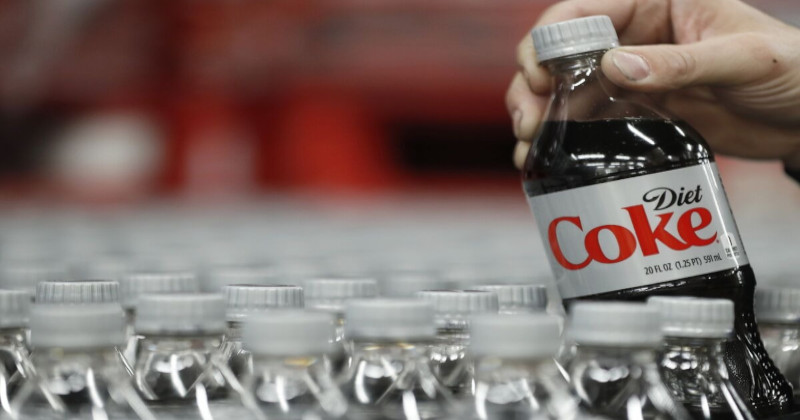
Aspartame, used in products from Coca-Cola diet sodas to Mars’ Extra chewing gum and some Snapple drinks, will be listed in July as “possibly carcinogenic to humans” for the first time by the International Agency for Research on Cancer (IARC), the World Health Organization’s (WHO) cancer research firm, the sources said.

However, similar IARC rulings in the past for different substances have raised concerns among consumers about their use, led to lawsuits, and pressured manufacturers to recreate recipes and swap to alternatives.

This has led to criticism that the IARC’s assessments can be confusing to the public.

JECFA, the WHO committee on additives, is also reviewing aspartame use this year. Its meeting began at the end of June and it is due to announce its findings on the same day that the IARC makes public its decision – on July 14.

Since 1981, JECFA has said aspartame is safe to consume within accepted daily limits. For example, an adult weighing 60 kg (132 pounds) would have to drink between 12 and 36 cans of diet soda – depending on the amount of aspartame in the beverage – every day to be at risk. Its view has been widely shared by national regulators, including in the United States and Europe.

An IARC spokesperson said both the IARC and JECFA committees’ findings were confidential until July, but added they were “complementary”, with IARC’s conclusion representing “the first fundamental step to understand carcinogenicity”. The additives committee “conducts risk assessment, which determines the probability of a specific type of harm (e.g., cancer) to occur under certain conditions and levels of exposure.”

However, industry and regulators fear that holding both processes at around the same time could be confusing, according to letters from U.S. and Japanese regulators seen by Reuters.

“We kindly ask both bodies to coordinate their efforts in reviewing aspartame to avoid any confusion or concerns among the public,” Nozomi Tomita, an official from Japan’s Ministry of Health, Labour and Welfare, wrote in a letter dated March 27 to WHO’s deputy director general, Zsuzsanna Jakab.

The letter, reviewed by Reuters, also called for the conclusions of both bodies to be released on the same day, as is now happening. The Japanese mission in Geneva, where the WHO is based, did not respond to a request for comment.

DEBATE

The IARC’s rulings can have huge impact. In 2015, its committee concluded that glyphosate is “probably carcinogenic”. Years later, even as other bodies like the European Food Safety Authority (EFSA) contested this assessment, companies were still feeling the effects of the decision. Germany’s Bayer in 2021 lost its third appeal against U.S. court verdicts that awarded damages to customers blaming their cancers on use of its glyphosate-based weedkillers.

The IARC’s decisions have also faced criticism for sparking needless alarm over hard to avoid substances or situations. It has previously put working overnight and consuming red meat into its “probably cancer-causing” class, and using mobile phones as “possibly cancer-causing”, similar to aspartame.

“IARC is not a food safety body and their review of aspartame is not scientifically comprehensive and is based heavily on widely discredited research,” Frances Hunt-Wood, the secretary general of the International Sweeteners Association (ISA), said.

The body, whose members include Mars Wrigley, a Coca-Cola unit and Cargill, said it had “serious concerns with the IARC review, which may mislead consumers”.

Aspartame has been extensively studied for years. Last year, an observational study in France among 100,000 adults showed that people who consumed larger amounts of artificial sweeteners – including aspartame – had a slightly higher cancer risk.

It followed a study from the Ramazzini Institute in Italy in the early 2000s, which reported that some cancers in mice and rats were linked to aspartame.

However, the first study could not prove that aspartame caused the increased cancer risk, and questions have been raised about the methodology of the second study, including by EFSA, which assessed it.

Aspartame is authorised for use globally by regulators who have reviewed all the available evidence, and major food and beverage makers have for decades defended their use of the ingredient. The IARC said it had assessed 1,300 studies in its June review.

Recent recipe tweaks by soft drinks giant Pepsico demonstrate the struggle the industry has when it comes to balancing taste preferences with health concerns. Pepsico removed aspartame from sodas in 2015, bringing it back a year later, only to remove it again in 2020.

Listing aspartame as a possible carcinogen is intended to motivate more research, said the sources close to the IARC, which will help agencies, consumers and manufacturers draw firmer conclusions.

But it will also likely ignite debate once again over the IARC’s role, as well as the safety of sweeteners more generally.

Last month, the WHO published guidelines advising consumers not to use non-sugar sweeteners for weight control. The guidelines caused a furore in the food industry, which argues they can be helpful for consumers wanting to reduce the amount of sugar in their diet.

(With inputs from Agency)
Topics: WHOCoca-Cola diet sodasartificial sweetenersWorld Health organisationsIARCInternational Agency for Research on Cancer
ShareTweetSendShareSend
✮ Subscribe Organiser YouTube Channel. ✮
✮ Join Organiser's WhatsApp channel for Nationalist views beyond the news. ✮
Previous News

Countering Cultural Colonialism: Role of Gita Press and Bhaijee

Next News

Tarang Shakti: India to host multilateral air exercise, involving air force of twelve nations for defence cooperation

Related News

Ayurveda is rapidly emerging as one of India's strongest tools of global health diplomacy and soft power

From Jamnagar to the World: How Ayurveda is transforming India’s global health diplomacy and soft power

Government introduces AIR SUVIDHA portal following WHO Ebola emergency for international travellers

Kochi International Airport

Keralam: Kochi strengthens Ebola surveillance after WHO global emergency alert

A boy inflicted by polio

Pakistan’s polio nightmare continues after fresh cases reappear despite massive vaccination campaign

NLEP making India Free from Leprosy by 2030

India National Strategic Plan 2023–2027, India leads global fight against leprosy with 98 per cent decline since 1981

WHO issues alert against cough syrups made by Sresan, Rednex & Shape pharmaceutical companies after 25 infant deaths

Load More

Latest News

Governor Dr Haribabu Kambhampati, Chief Minister Shri Mohan Charan Majhi and other dignitaries at Nasha Mukt Yuva for Viksit Bharat Sankalp Abhiyan

‘Nasha Mukt Yuva – Viksit Bharat Sankalp Abhiyan’: Odisha CM warns drug mafia to reform or face bulldozer action

The third Sarsanghchalak of the RSS Balasaheb Deoras (Image source: https://archives.vsktelangana.org/)

Balasaheb Deoras’ letters to Indira Gandhi during Emergency: RSS stood between the dictatorship and democracy

Site of Suicide bombing attack in which 14 people were killed in in Swat district of Khyber Pakhtunkhwa province in Pakistan

Pakistan: 8 policemen among 14 killed in suicide bombing at Kabal police station in Swat district, 22 injured

(Left) Bilawal Bhutto (Right) Pakistan PM Shehbaz Sharif

PoJK Polls: Bilawal accuses PML-N of robbing votes through bullets & batons; warns of withdrawing support to PM Sharif

Minister Vanni Arasu, CM Vijay Joseph (Left to right) (File Photo)

Tamil Nadu: VCK Minister Vanni Arasu mistakes NCC’s ‘jai hind, sriman’ for ‘jai shri Ram’, BJP hits back

Protesters affiliated to Cockroach Janta Party confronting a policeman on duty at Jantar Mantar protest sight

Cockroach Janta Party: Scientific dissection of cockroaches

Dr Suresh Hanagavadi conferred with Padmashri

Dr Suresh Hanagavadi: The remarkable journey of a doctor who revolutionised haemophilia care & patient advocacy

A discussion on anti-paper leak in Parliament

Public Examinations (Prevention of Unfair Means) Amendment Bill, 2026: Passing the trust test

(Left) Sanket Upadhyay (Right) Veteran BBC journalist Rehan Fazal

Veteran Journalist Rehan Fazal claims BBC India blocked RSS coverage, raising questions over editorial neutrality

Kanwar Yatra

When Faith Walks the Highways: A journey through the Kanwar yatra and the living soul of India

Load More
  • Privacy
  • Terms
  • Cookie Policy
  • Refund and Cancellation
  • Delivery and Shipping

© Bharat Prakashan (Delhi) Limited.
Tech-enabled by Ananthapuri Technologies

  • Home
  • Search Organiser
  • Bharat
    • Assam
    • Bihar
    • Chhattisgarh
    • Jharkhand
    • Maharashtra
    • View All States
  • World
    • Asia
    • Africa
    • North America
    • South America
    • Europe
    • Australia
  • Editorial
  • Operation Sindoor
  • Opinion
  • Analysis
  • Defence
  • Culture
  • Sports
  • Business
  • RSS @ 100
  • Entertainment
  • More ..
    • Sci & Tech
    • Vocal4Local
    • Special Report
    • Education
    • Employment
    • Books
    • Interviews
    • Travel
    • Health
    • Politics
    • Law
    • Economy
    • Obituary
  • Subscribe Magazine
  • Read Ecopy
  • Advertise
  • Circulation
  • Careers
  • About Us
  • Contact Us
  • Policies & Terms
    • Privacy Policy
    • Cookie Policy
    • Refund and Cancellation
    • Terms of Use

© Bharat Prakashan (Delhi) Limited.
Tech-enabled by Ananthapuri Technologies