Study reveals how cancers in distant organs change liver function
June 4, 2026
  • Read Ecopy
  • Circulation
  • Advertise
  • Careers
  • About Us
  • Contact Us
Android AppiPhone AppArattai
Organiser
  • ‌
  • Bharat
    • Assam
    • Bihar
    • Chhattisgarh
    • Jharkhand
    • Maharashtra
    • View All States
  • World
    • Asia
    • Europe
    • North America
    • South America
    • Africa
    • Australia
  • Editorial
  • International
  • Opinion
  • RSS @ 100
  • More
    • Op Sindoor
    • Analysis
    • Sports
    • Defence
    • Politics
    • Business
    • Economy
    • Culture
    • Special Report
    • Sci & Tech
    • Entertainment
    • G20
    • Azadi Ka Amrit Mahotsav
    • Vocal4Local
    • Web Stories
    • Education
    • Employment
    • Books
    • Interviews
    • Travel
    • Law
    • Health
    • Obituary
  • Subscribe
    • Subscribe Print Edition
    • Subscribe Ecopy
    • Read Ecopy
  • ‌
  • Bharat
    • Assam
    • Bihar
    • Chhattisgarh
    • Jharkhand
    • Maharashtra
    • View All States
  • World
    • Asia
    • Europe
    • North America
    • South America
    • Africa
    • Australia
  • Editorial
  • International
  • Opinion
  • RSS @ 100
  • More
    • Op Sindoor
    • Analysis
    • Sports
    • Defence
    • Politics
    • Business
    • Economy
    • Culture
    • Special Report
    • Sci & Tech
    • Entertainment
    • G20
    • Azadi Ka Amrit Mahotsav
    • Vocal4Local
    • Web Stories
    • Education
    • Employment
    • Books
    • Interviews
    • Travel
    • Law
    • Health
    • Obituary
  • Subscribe
    • Subscribe Print Edition
    • Subscribe Ecopy
    • Read Ecopy
Organiser
  • Home
  • Bharat
  • World
  • Operation Sindoor
  • Editorial
  • Analysis
  • Opinion
  • Culture
  • Defence
  • International Edition
  • RSS @ 100
  • Magazine
  • Read Ecopy
Home World

Study reveals how cancers in distant organs change liver function

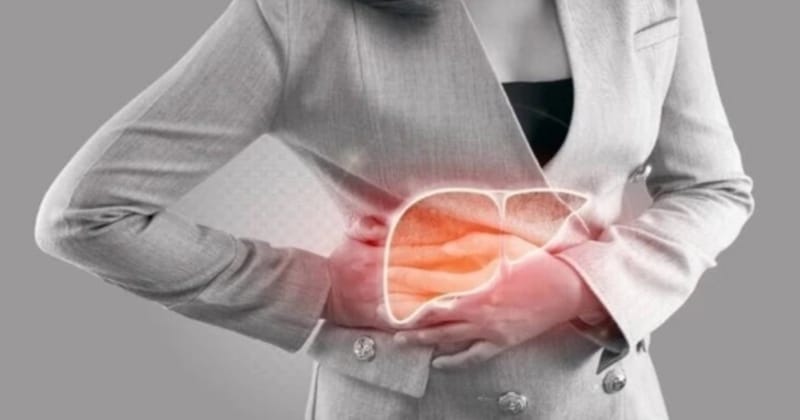
Researchers discovered that cancer frequently discharges substances into the bloodstream that pathologically affect the liver, putting it in an inflammatory condition, causing fat to build up, and interfering with its regular detoxification procedures

WEBDESKWEBDESK
May 26, 2023, 11:00 pm IST
in World, Health
Follow on Google News
FacebookTwitterWhatsAppTelegramEmail

Researchers at Weill Cornell Medicine found that cancer often releases molecules into the bloodstream that pathologically modify the liver, sending it into an inflammatory state, causing fat accumulation, and disrupting its typical detoxification processes. This finding sheds light on one of cancer’s sneakier survival strategies and raises the prospect of fresh diagnostics and therapeutics for identifying and reversing this process.

In the study, which was published in Nature, the researchers discovered that extracellular vesicles and particles (EVPs) containing fatty acids secreted by a wide range of tumour types that are developing outside the liver could remotely reprogram the liver to a condition approximating fatty liver disease. The livers of cancer patients and animal models of the disease both included signs of this mechanism, according to the researchers. “Our findings show that tumors can lead to significant systemic complications including liver disease, but also suggest that these complications can be addressed with future treatments,” said study co-senior author Dr David Lyden, the Stavros S Niarchos Professor in Pediatric Cardiology and a professor of pediatrics and of cell and developmental biology at Weill Cornell Medicine.

For the past two decades, Dr Lyden, who is also a member of the Gale and Ira Drukier Institute for Children’s Health and the Sandra and Edward Meyer Cancer Center at Weill Cornell Medicine, and his research group have been studying the systemic effects of cancers. These effects reflect specific strategies cancers use to secure their survival and speed their progression. In their work published in 2015, for example, the team discovered that pancreatic cancers secrete molecules encapsulated in extracellular vesicles, that travel through the bloodstream, are taken up by the liver, and prepare the organ to support the outgrowth of new, metastatic tumors.

In the new study, the researchers uncovered a different set of liver changes caused by distant cancer cells, which they observed in animal models of bone, skin and breast cancer that metastasise to other organs but not to the liver. The study’s key finding is that these tumors induce accumulation of fat molecules in liver cells, consequently reprogramming the liver in a way that resembles the obesity- and alcohol-related condition known as fatty liver disease.

The team also observed that reprogrammed livers have high levels of inflammation, marked by elevated level of tumor necrosis factor-a (TNF-a), and low levels of drug-metabolising enzymes called cytochrome P450, which break down potentially toxic molecules, including many drug molecules. The observed reduction in cytochrome P450 levels could explain why cancer patients often become less tolerant of chemotherapy and other drugs as their illness progresses.

The researchers traced this liver reprogramming to EVPs that are released by the distant tumors and carry fatty acids, especially palmitic acid. When taken up by liver-resident immune cells called Kupffer cells, the fatty acid cargo triggers the production TNF-a, which consequently drives fatty liver formation.

Although the researchers principally used animal models of cancers in the study, they observed similar changes in the livers of newly diagnosed pancreatic cancer patients who later developed non-liver metastases.

“One of our more striking observations was that this EVP-induced fatty liver condition did not co-occur with liver metastases, suggesting that causing fatty liver and preparing the liver for metastasis are distinct strategies that cancers use to manipulate liver function,” said co-first author Dr Gang Wang, a postdoctoral associate in the Lyden laboratory. Dr Jianlong Li, a scientific collaborator in the Lyden laboratory, is also a co-first author of the study.

The scientists suspect that the fatty liver condition benefits cancers in part by turning the liver into a lipid-based source of energy to fuel cancer growth.

“We see in liver cells not only an abnormal accumulation of fat but also a shift away from the normal processing of lipids, so that the lipids that are being produced are more advantageous to the cancer,” said co-senior author Dr Robert Schwartz, associate professor of medicine in the Division of Gastroenterology and Hepatology and a member of the Meyer Cancer Center at Weill Cornell Medicine and a hepatologist at NewYork-Presbyterian/Weill Cornell Medical Center.

That may not be the only benefit that cancers derive from this liver alteration. “There are also crucial molecules involved in immune cell function, but their production is altered in these fatty livers, hinting that this condition may also weakens anti-tumor immunity,” said co-senior author Dr. Haiying Zhang, assistant professor of cell and developmental biology in pediatrics at Weill Cornell Medicine.

The researchers were able to mitigate these systemic effects of tumors on the livers by implementing strategies such as blocking tumor-EVP release, inhibiting the packaging of palmitic acid into tumor EVPs, suppressing TNF-a activity, or eliminating Kupffer cells in the experimental animal models. The researchers are further investigating the potential of implementing these strategies in human patients to block these remote effects of tumors on the liver, and exploring the possibility of utilising the detection of palmitic acid in tumor EVPs circulating in the blood as a potential warning sign of advanced cancer.

(with inputs from ANI)


Topics: Cancer ResearchFatty liver diseaseLiver cancerLiver tumorsLiver pancreatic cancerBreast cancerSkin tumorsChemotherapyTumor growth
ShareTweetSendShareSend
✮ Subscribe Organiser YouTube Channel. ✮
✮ Join Organiser's WhatsApp channel for Nationalist views beyond the news. ✮
Previous News

Project Cheetah: NTCA constitutes 11-member screening committee after death of six cheetahs in Kuno National Park

Next News

How ‘Sengol’ became a Symbol of transfer of power from British to India 

Related News

Representative image

IIT Madras WSAI & Ohio State University researchers develop new AI framework to aid discovery of next-generation drugs

Representative image

Childhood exposure to bacterial toxin can trigger Colorectal cancer among the young: Study

Representative image

New study in breast cancer progression, drug resistance

Representative image

New antibody reduces tumour growth in treatment-resistant breast, ovarian cancers: Study

Representative image

Cancer Screening: Experts call for urgent action on women-centric testing, inadequacies in rural, semi-urban India

Representative image

Aspirin may prevent some cancers from spreading: Study

Load More

Latest News

B. Nagendra, Congress MLA and former minister in Karnataka

Karnataka: CBI files chargesheets against Nagendra, Congress leader, ex-minister, 29 others in Valmiki Corporation scam

Representative Image (This is an AI generated image)

From Class 10 to Ayurvedic Doctor: Central Sanskrit University unveils new pathway to BAMS

Heera Group founder Nowhera Shaik (File Photo)

Telangana: ED arrests Nowhera Shaik’s aide in Heera Group Sharia-compliant Rs 3000 Cr investment scam

Governor of Karnataka Thaawarchand Gehlot administered the Oath of Office and Secrecy to Chief Minister D.K. Shivakumar on June 3, 2026

DK Shivakumar takes oath as Karnataka CM, invokes Ajjayya in ceremony

TMC Leader Abhishek Banerjee attacked in Sonarpur

The Judgement Beyond the Ballot: Bengal’s Sonarpur, political memory, and accountability

Change of Guard in Punjab BJP: Challenges, opportunities and the road ahead

Sacrilege, state interference and the Sikh question in Punjab

After Schools, Vande Mataram Must For West Bengal Madarsas

West Bengal Madrasas Sing Vande Mataram: 1,600 madrasas comply with state govt order despite opposition criticism

Image of Dawood Aide Huzaifa, who is believed to be a close associate of Munna Jhingada

Dawood aide Huzaifa held in Mumbai crackdown; Probe focuses on Pakistan-linked recruitment network

Islamists to Launch Keralam’s First Sharia Gym in Palakkad — No Music, Hijab Must; A ‘Taliban’-Inspired Fitness Club

Load More
  • Privacy
  • Terms
  • Cookie Policy
  • Refund and Cancellation
  • Delivery and Shipping

© Bharat Prakashan (Delhi) Limited.
Tech-enabled by Ananthapuri Technologies

  • Home
  • Search Organiser
  • Bharat
    • Assam
    • Bihar
    • Chhattisgarh
    • Jharkhand
    • Maharashtra
    • View All States
  • World
    • Asia
    • Africa
    • North America
    • South America
    • Europe
    • Australia
  • Editorial
  • Operation Sindoor
  • Opinion
  • Analysis
  • Defence
  • Culture
  • Sports
  • Business
  • RSS @ 100
  • Entertainment
  • More ..
    • Sci & Tech
    • Vocal4Local
    • Special Report
    • Education
    • Employment
    • Books
    • Interviews
    • Travel
    • Health
    • Politics
    • Law
    • Economy
    • Obituary
  • Subscribe Magazine
  • Read Ecopy
  • Advertise
  • Circulation
  • Careers
  • About Us
  • Contact Us
  • Policies & Terms
    • Privacy Policy
    • Cookie Policy
    • Refund and Cancellation
    • Terms of Use

© Bharat Prakashan (Delhi) Limited.
Tech-enabled by Ananthapuri Technologies