A new way to speed up wound healing in diabetic patients
August 5, 2026
  • Read Ecopy
  • Circulation
  • Advertise
  • Careers
  • About Us
  • Contact Us
Android AppiPhone AppArattai
Organiser
  • ‌
  • Bharat
    • Assam
    • Bihar
    • Chhattisgarh
    • Jharkhand
    • Maharashtra
    • View All States
  • World
    • Asia
    • Europe
    • North America
    • South America
    • Africa
    • Australia
  • Editorial
  • International
  • Opinion
  • RSS @ 100
  • More
    • Op Sindoor
    • Analysis
    • Sports
    • Defence
    • Politics
    • Business
    • Economy
    • Culture
    • Special Report
    • Sci & Tech
    • Entertainment
    • G20
    • Azadi Ka Amrit Mahotsav
    • Vocal4Local
    • Web Stories
    • Education
    • Employment
    • Books
    • Interviews
    • Travel
    • Law
    • Health
    • Obituary
  • Subscribe
    • Subscribe Print Edition
    • Subscribe Ecopy
    • Read Ecopy
  • ‌
  • Bharat
    • Assam
    • Bihar
    • Chhattisgarh
    • Jharkhand
    • Maharashtra
    • View All States
  • World
    • Asia
    • Europe
    • North America
    • South America
    • Africa
    • Australia
  • Editorial
  • International
  • Opinion
  • RSS @ 100
  • More
    • Op Sindoor
    • Analysis
    • Sports
    • Defence
    • Politics
    • Business
    • Economy
    • Culture
    • Special Report
    • Sci & Tech
    • Entertainment
    • G20
    • Azadi Ka Amrit Mahotsav
    • Vocal4Local
    • Web Stories
    • Education
    • Employment
    • Books
    • Interviews
    • Travel
    • Law
    • Health
    • Obituary
  • Subscribe
    • Subscribe Print Edition
    • Subscribe Ecopy
    • Read Ecopy
Organiser
  • Home
  • Bharat
  • World
  • Operation Sindoor
  • Editorial
  • Analysis
  • Opinion
  • Culture
  • Defence
  • International Edition
  • RSS @ 100
  • Magazine
  • Read Ecopy
Home Bharat

A new way to speed up wound healing in diabetic patients

WEBDESKWEBDESK
Jul 8, 2021, 06:12 am IST
inBharat
Follow on Google News
Facebook
Twitter
WhatsAppTelegramEmail

New Delhi: Scientists created a new method for diabetic patients to heal their wounds quickly.


Diabetes is a major health challenge for India, showing a trend of increasing prevalence over the years. It is a chronic disease, and over time, uncontrolled diabetes can cause serious damage to many systems in the body, especially the blood vessels and nerves.


In individuals with diabetes, wounds take longer to heal. A large proportion of extremity amputations result from diabetes-induced impairment of wound repair. Timely healing of wounds is therefore pivotal to prevent such extreme consequences. A team of Indian researchers has devised a way to help this happen.


A type of blood cells, called peripheral blood (PB) or bone marrow-derived endothelial progenitor cells (EPCs), contributes to the formation of blood vessels and thus helps in wound healing. However, in people with diabetes, these cells' ability to home in on the wound site is hindered. It adversely influences the healing.


If EPC cells from non-diabetics can be transplanted onto wounds in diabetic individuals, it could enhance blood vessel formation. It helps wounds to heal faster. But, so far, there is no simple method to grow these cells outside the body and deliver them to the wound site. Researchers have been investigating different means to solve the problem. These include biocompatible scaffolds use or matrices that support the growth of cells to deliver the cells at the site of the wound. Most of the matrices created and tested experimentally, however, have had limitations or drawbacks.


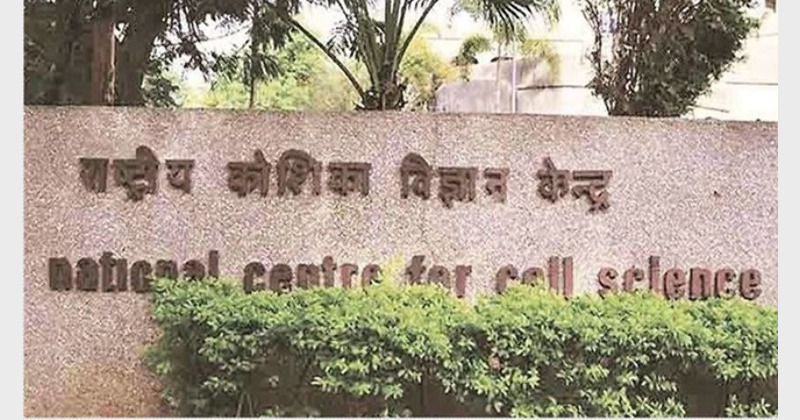
A team of scientists led by Dr. Vaijayanti Kale, a former scientist of the Department of Biotechnology’s Pune-based National Centre for Cell Science (DBT-NCCS), and Prof. Jayesh Bellare of the Department of Chemical Engineering at IIT-Bombay has come up with a solution that could break the impasse.


Blending their cell biology and chemical engineering expertise, they fabricated a nanofiber matrix from polycaprolactone (PC) and gelatin (G) using a new method. This matrix showed some very good properties, including its ability to promote the growth of EPCs.


They tested its efficacy as a therapeutic tool to facilitate diabetic wound healing in a standard laboratory animal model for diabetes, using ethically approved experimental protocols. These investigations yielded promising outcomes, and the studies were reported in the international scientific journal, PLOS ONE. In this article, the team proposed that their novel system can serve as a one-step combined growth and delivery system for direct application on skin wounds, including those in Diabetics. Indian Patent Office has also recently granted a patent based on the research work. “Given its double advantage of the ease of handling along with good support for EPC growth, this matrix promises to hold the potential to be used therapeutically in human patients,” the scientists said.


Courtesy: India Science Wire

 

Share
Tweet
SendShareSend
✮ Subscribe Organiser YouTube Channel. ✮
✮ Join Organiser's WhatsApp channel for Nationalist views beyond the news. ✮
Previous News

Narendra Modi led Union Council of Ministers expands with induction of 15 Cabinet Ministers

Next News

Assam CM Sarma bats for scientific monitoring of greenery programs

Related News

Representative Image

7 years of Article 370 abrogation in J&K: Terror, stone pelting incidents decline steeply, state witnesses’ development

NIA court extends judicial custody of Red Fort Blast Case accused

Red Fort blast case: NIA Court extends judicial custody of Dr Shaheen, others till August 12

Union Minister JP Nadda, Himanta Visit Ravaged Sivasagar Village; Centre Promises Full Relief Support

Assam Floods: JP Nadda, Himanta assess ground situation in Sivasagar; Centre pledges full support for rehabilitation

Security forces seize arms and ammunitions of the Maoists from Sukma Forests

Chhattisgarh: Maoist arms dump unearthed in Sukma forest; Rifle and ammunition seized

Police in J&K’s Ramban detained 21 suspected Bangladeshi nationals during a verification drive

J&K: 21 suspected Bangladeshi nationals detained in Ramban during verification drive, six more held in Delhi

A viral social media post claiming a WHO warning about milk adulteration causing cancer in 87 per cent of Indians by 2035 has been debunked as fake by PIB.

Fact Check: PIB debunks fake post claiming WHO warned 87 per cent of Indians will get Cancer from milk adulteration

Load More

Latest News

Representative Image

7 years of Article 370 abrogation in J&K: Terror, stone pelting incidents decline steeply, state witnesses’ development

NIA court extends judicial custody of Red Fort Blast Case accused

Red Fort blast case: NIA Court extends judicial custody of Dr Shaheen, others till August 12

Union Minister JP Nadda, Himanta Visit Ravaged Sivasagar Village; Centre Promises Full Relief Support

Assam Floods: JP Nadda, Himanta assess ground situation in Sivasagar; Centre pledges full support for rehabilitation

Security forces seize arms and ammunitions of the Maoists from Sukma Forests

Chhattisgarh: Maoist arms dump unearthed in Sukma forest; Rifle and ammunition seized

Police in J&K’s Ramban detained 21 suspected Bangladeshi nationals during a verification drive

J&K: 21 suspected Bangladeshi nationals detained in Ramban during verification drive, six more held in Delhi

A viral social media post claiming a WHO warning about milk adulteration causing cancer in 87 per cent of Indians by 2035 has been debunked as fake by PIB.

Fact Check: PIB debunks fake post claiming WHO warned 87 per cent of Indians will get Cancer from milk adulteration

‘Who brought a 12 year old to protest?’: POCSO complaint slams CJP organisers over Jantar Mantar NEET agitation

Former Bangladesh Prime Minister Sheikh Hasina's son Sajeeb Wazed

‘August 5 was a conspiracy’: Sheikh Hasina’s son vows Awami League will reclaim Bangladesh’s democratic path

India gets 101st Ramsar Site in Arunachal Pradesh's Glaw Lake

India Crosses 100 Ramsar Sites: Arunachal Pradesh’s Glaw Lake becomes country’s 101st wetland of global importance

Centre proposes drug-free campuses, 500-metre zones and consent-based student screening under its 2026–2029 narcotics roadmap

Drug-Free Campuses in Focus: Centre proposes 500-metre safety zone and consent-based screening for students

Load More
  • Privacy
  • Terms
  • Cookie Policy
  • Refund and Cancellation
  • Delivery and Shipping

© Bharat Prakashan (Delhi) Limited.
Tech-enabled by Ananthapuri Technologies

  • Home
  • Search Organiser
  • Bharat
    • Assam
    • Bihar
    • Chhattisgarh
    • Jharkhand
    • Maharashtra
    • View All States
  • World
    • Asia
    • Africa
    • North America
    • South America
    • Europe
    • Australia
  • Editorial
  • Operation Sindoor
  • Opinion
  • Analysis
  • Defence
  • Culture
  • Sports
  • Business
  • RSS @ 100
  • Entertainment
  • More ..
    • Sci & Tech
    • Vocal4Local
    • Special Report
    • Education
    • Employment
    • Books
    • Interviews
    • Travel
    • Health
    • Politics
    • Law
    • Economy
    • Obituary
  • Subscribe Magazine
  • Read Ecopy
  • Advertise
  • Circulation
  • Careers
  • About Us
  • Contact Us
  • Policies & Terms
    • Privacy Policy
    • Cookie Policy
    • Refund and Cancellation
    • Terms of Use

© Bharat Prakashan (Delhi) Limited.
Tech-enabled by Ananthapuri Technologies