Sun Tzi and ancient Chinese military science
June 12, 2026
  • Read Ecopy
  • Circulation
  • Advertise
  • Careers
  • About Us
  • Contact Us
Android AppiPhone AppArattai
Organiser
  • ‌
  • Bharat
    • Assam
    • Bihar
    • Chhattisgarh
    • Jharkhand
    • Maharashtra
    • View All States
  • World
    • Asia
    • Europe
    • North America
    • South America
    • Africa
    • Australia
  • Editorial
  • International
  • Opinion
  • RSS @ 100
  • More
    • Op Sindoor
    • Analysis
    • Sports
    • Defence
    • Politics
    • Business
    • Economy
    • Culture
    • Special Report
    • Sci & Tech
    • Entertainment
    • G20
    • Azadi Ka Amrit Mahotsav
    • Vocal4Local
    • Web Stories
    • Education
    • Employment
    • Books
    • Interviews
    • Travel
    • Law
    • Health
    • Obituary
  • Subscribe
    • Subscribe Print Edition
    • Subscribe Ecopy
    • Read Ecopy
  • ‌
  • Bharat
    • Assam
    • Bihar
    • Chhattisgarh
    • Jharkhand
    • Maharashtra
    • View All States
  • World
    • Asia
    • Europe
    • North America
    • South America
    • Africa
    • Australia
  • Editorial
  • International
  • Opinion
  • RSS @ 100
  • More
    • Op Sindoor
    • Analysis
    • Sports
    • Defence
    • Politics
    • Business
    • Economy
    • Culture
    • Special Report
    • Sci & Tech
    • Entertainment
    • G20
    • Azadi Ka Amrit Mahotsav
    • Vocal4Local
    • Web Stories
    • Education
    • Employment
    • Books
    • Interviews
    • Travel
    • Law
    • Health
    • Obituary
  • Subscribe
    • Subscribe Print Edition
    • Subscribe Ecopy
    • Read Ecopy
Organiser
  • Home
  • Bharat
  • World
  • Operation Sindoor
  • Editorial
  • Analysis
  • Opinion
  • Culture
  • Defence
  • International Edition
  • RSS @ 100
  • Magazine
  • Read Ecopy
Home Bharat

Sun Tzi and ancient Chinese military science

Chinese civilisation has evolved through the cycles of chaos and political restorations. The political conflicts were certain as a number of clans, feudal lords and ethnic groups shifted their political apriorities for controlling the land.

Archive ManagerArchive Manager
Sep 16, 2013, 01:16 pm IST
in Bharat
Follow on Google News
FacebookTwitterWhatsAppTelegramEmail

Understanding Our Neighbours

Aravind Yelery, Shanghai
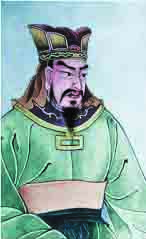
undefinedChinese civilisation has evolved through the cycles of chaos and political restorations. The political conflicts were certain as a number of clans, feudal lords and ethnic groups shifted their political apriorities for controlling the land. The arid land in the West, attached to the Central Asia brought some of the ferocious attacks from central Asian nomadic tribes, whereas the plains and green plateau of Mongolia and beyond were the place for Xiongnu and Huns, who challenged the authority of Chinese states. This was the fundamental reason behind constructing the Great Wall, the name originated when the parts of these different protective walls were joined by Qin emperor. The walled fortification and their sheer size made them Great Wall of China. The secured boundaries against the intruders were seen essential to establish authority as well as ensure the integrity and peace within the walled terrain. The so called military science was yet to take the central place in Chinese imperial courts. 

The construction of the Great Wall started well before the birth of a Chinese Chanakya-alike historical entity, Sun Tzi. Wu Sun was the real name of Sun Tzi. He was an ancient Chinese strategist and philosopher who lived around 544–496 BC. ‘Tziwas’ a title meaning master was graciously given to several Chinese thinkers and philosophers, including Confucius and Mencious. Sun belonged to a learned family which did not have feudal background. The warring state of affairs worked well to condition Sun’s thoughts on warfare and mainly its strategic aspects. The amount of experience he collected as a military general helped him when he was on the height of his prominence during warring states period (476-221 BC). These thoughts were practical and gave Chinese fighting states a rational to build strong armies and planning of warfare. There is no doubt that Sun Tzi was responsible for grooming Chinese strategic brain. Although he fought wars for the Wu kingdom, his techniques were largely adopted by almost all the dynasties followed in the later millennia. As Confucius is credited for analyzing the social order more from the state centric approach, Sun Tzi imbibed Chinese minds with his breathtaking accounts of war tactics. Chinese society carried this wisdom of altruism and nationalism together.

Sun Tzi’s The Art of Warfare consists of 13 chapters. Although, like some ancient texts, this military piece also gets repetitive on many occasions but the fundamental thoughts on military science are clearly established. It elaborates on various warfare techniques in general and asymmetric warfare and C3I (command,control, communications,and intelligence) in specific, these are the terms which strategists fondly use in present contexts. These are some quotes;

1) All warfare is based on deception.

2) Supreme excellence consists in breaking the enemy’s resistance without fighting.

3) If you know the enemy and know yourself, you need not fear the result of a hundred battles. If you know yourself but not the enemy, for every victory gained you will also suffer a defeat. If you know neither the enemy nor yourself, you will succumb in every battle.

4) To secure ourselves against defeat lies in our own hands, but the opportunity of defeating the enemy is provided by the enemy himself.

(To be concluded)

(The writer is a Corporate Consultant Sanghai ji Ou, Sanghai/Delhi)
ShareTweetSendShareSend
✮ Subscribe Organiser YouTube Channel. ✮
✮ Join Organiser's WhatsApp channel for Nationalist views beyond the news. ✮
Previous News

Now international Islamic University in Tirupati

Next News

Taliban still rules Afghanistan

Related News

US: Anshul Kuncha’s death exposes anti-India racist racket; Assaulting the community that powers American economy!

Security forces undertake anti-Maoist campaign in Odisha in Kandhamal and Malkangiri and seize huge cache of arms

Odisha: Security forces recover caches of weapons of Maoists in Kandhamal and Malkangiri in last three days

Kashmiri Pandits at Kheer Bhawani Temple(File Photo)

J&K: Exiled Kashmiri Pandits throng temples amid enhanced security; Crowd peaks on Jyestha Ashtami at Kheer Bhawani

Global Peace Index Farce: Does the GPI penalise democracies fighting terrorism? India’s case explained

Five Ayush hospitals cum medical colleges to come up in Uttar Pradesh (This is an AI generated image)

Uttar Pradesh plans five integrated AYUSH Colleges and Hospitals to expand traditional healthcare and medical education

(Left) Site of the protest (Right) NIA team in JNIMS hospital

Manipur: NIA starts forensic probe of abduction and killings of 6 Naga civilians by Kuki militants

Load More

Latest News

US: Anshul Kuncha’s death exposes anti-India racist racket; Assaulting the community that powers American economy!

Security forces undertake anti-Maoist campaign in Odisha in Kandhamal and Malkangiri and seize huge cache of arms

Odisha: Security forces recover caches of weapons of Maoists in Kandhamal and Malkangiri in last three days

Kashmiri Pandits at Kheer Bhawani Temple(File Photo)

J&K: Exiled Kashmiri Pandits throng temples amid enhanced security; Crowd peaks on Jyestha Ashtami at Kheer Bhawani

Global Peace Index Farce: Does the GPI penalise democracies fighting terrorism? India’s case explained

Five Ayush hospitals cum medical colleges to come up in Uttar Pradesh (This is an AI generated image)

Uttar Pradesh plans five integrated AYUSH Colleges and Hospitals to expand traditional healthcare and medical education

(Left) Site of the protest (Right) NIA team in JNIMS hospital

Manipur: NIA starts forensic probe of abduction and killings of 6 Naga civilians by Kuki militants

Prime Minister Narendra Modi

The MODI Era: Legacy of 4399 days of Transformation

Late Laxmananda Saraswati (File Photo)

Missing Swami Laxmananda murder judicial inquiry report triggers FIR in Odisha; BJP targets Naveen Patnaik

4,399 days of Prime Minister Narendra Modi

The Meaning of 4,399 Days: Why Even the Opposition Must Now Play by the New Rules Set in the Modi Era

Keralam: Audit finds gold and silver ornaments missing from nearly 20 temples under Neyyattinkara Devaswom sub group

Load More
  • Privacy
  • Terms
  • Cookie Policy
  • Refund and Cancellation
  • Delivery and Shipping

© Bharat Prakashan (Delhi) Limited.
Tech-enabled by Ananthapuri Technologies

  • Home
  • Search Organiser
  • Bharat
    • Assam
    • Bihar
    • Chhattisgarh
    • Jharkhand
    • Maharashtra
    • View All States
  • World
    • Asia
    • Africa
    • North America
    • South America
    • Europe
    • Australia
  • Editorial
  • Operation Sindoor
  • Opinion
  • Analysis
  • Defence
  • Culture
  • Sports
  • Business
  • RSS @ 100
  • Entertainment
  • More ..
    • Sci & Tech
    • Vocal4Local
    • Special Report
    • Education
    • Employment
    • Books
    • Interviews
    • Travel
    • Health
    • Politics
    • Law
    • Economy
    • Obituary
  • Subscribe Magazine
  • Read Ecopy
  • Advertise
  • Circulation
  • Careers
  • About Us
  • Contact Us
  • Policies & Terms
    • Privacy Policy
    • Cookie Policy
    • Refund and Cancellation
    • Terms of Use

© Bharat Prakashan (Delhi) Limited.
Tech-enabled by Ananthapuri Technologies