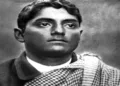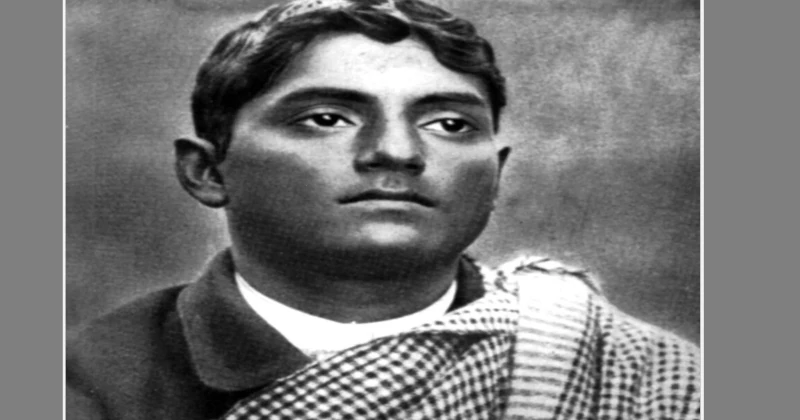
September 10 marks the death anniversary of revolutionary hero Bagha Jatin, remembered for his extraordinary courage, fierce resistance to British rule and ultimate sacrifice for India’s freedom.
Born Jyotindranath Mukherjee, Jatin earned the legendary title “Bagha Jatin” after an astonishing encounter with a Bengal tiger in his youth. Armed only with a dagger, he fought the animal at close quarters and survived despite suffering severe injuries. The feat soon made him a symbol of fearlessness.
Jatin later became involved with revolutionary groups committed to an armed struggle against British rule. During the First World War, revolutionaries hoped to obtain German arms to intensify their campaign against the British. Jatin and his associates established themselves in the forests near Balasore in Odisha, awaiting an expected shipment of weapons aboard the Maverick.
10 सितम्बर/बलिदान-दिवस
क्रान्तिवीर बाघा जतीन का बलिदान
उड़ीसा के काया ग्राम में जन्मा बालक ज्योतिन्द्रनाथ मुखर्जी बचपन से ही बहुत साहसी था। उसे खतरों से खेलने में मजा आता था। व्यायाम से उसने अपनी देह सुडौल बना ली थी। उसे घोड़े की सवारी का भी शौक था। जब वह किशोर था,… pic.twitter.com/MZZgubF764
— Rashtra Sevika Samiti Delhi Prant (@sevikasamiti) September 10, 2026
However, British authorities received information about the plan. Police forces led by Officer Taggart began pursuing the revolutionaries. Despite the danger, Jatin refused to abandon his comrades. Even when urged to escape, he chose to remain with them and undertook a difficult journey through the forests to reunite with companions who were some distance away.
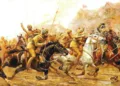
The revolutionaries were eventually surrounded. On September 9, 1915, a fierce gun battle broke out between the small group of revolutionaries and heavily armed British police.
One of Jatin’s associates, Chittapriya, was killed in the encounter. Bagha Jatin and Manoranjan were also seriously wounded by multiple bullets. Despite his injuries, Jatin ordered his surviving comrades to escape rather than remain and face capture.
As Jatin lay wounded, he asked for water. Manoranjan managed to bring him water despite his own condition. According to the account, even Taggart was moved by the scene and brought water for the injured revolutionary in his hat.
The wounded Jatin was taken to Balasore Hospital. When questioned by the police about his associates, he refused to reveal their names. On September 10, 1915, Jyotindranath Mukherjee succumbed to his injuries.
Bagha Jatin’s final hours came to embody the spirit of revolutionary resistance: wounded but unbroken, surrounded but refusing to surrender his comrades. More than a century later, his sacrifice remains a powerful chapter in India’s freedom struggle and a reminder of the courage displayed by those who chose resistance over submission.