Bengaluru: The Karnataka government’s claim that major irrigation projects are progressing despite mounting dues to contractors has come under scrutiny, with more than ₹15,429 crore remaining unpaid across four irrigation corporations. The huge outstanding amount has raised questions over whether several infrastructure projects are being delayed or slowed down because of inadequate and irregular fund flow.
The issue has gained prominence after Water Resources Minister Cheluvarayaswamy disclosed the corporation-wise dues in a written reply to a question raised by Leader of the Opposition in the Legislative Council Chalavadi T Narayanaswamy.
According to the government’s response, Krishna Bhagya Jala Nigam owes ₹1,649.57 crore to contractors, while Karnataka Neeravari Nigam has outstanding bills amounting to ₹4,696.86 crore. Cauvery Neeravari Nigam owes ₹3,305.66 crore and Visvesvaraya Jala Nigam has the highest outstanding amount of ₹5,777.42 crore. Together, the four corporations owe contractors ₹15,429.51 crore.
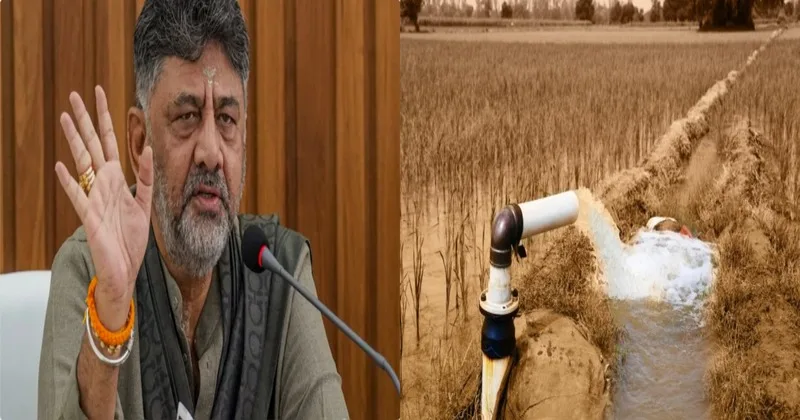
The figures have triggered criticism over the government’s handling of irrigation infrastructure, particularly at a time when several projects are expected to provide water to agricultural areas and strengthen irrigation facilities. Contractors have reportedly faced financial stress because of delayed payments, while concerns have also been raised that pending bills could affect the pace of execution.
The government, however, has denied that irrigation works have been completely stalled because of non-payment of bills. In its response, the Water Resources Department said funds were being released to the corporations every month in accordance with the budget allocation and that payments were being made to contractors based on priority and seniority.
The explanation has not fully addressed concerns about the physical progress of projects. While the government has stated that work is being managed by adjusting available funds and prioritising payments, it has not provided a clear time-bound plan for clearing the entire ₹15,429.51 crore outstanding amount.
The issue is particularly significant because irrigation projects involve large-scale construction of canals, reservoirs, bridges and related infrastructure. Any prolonged delay in contractor payments can affect mobilisation of manpower and machinery and potentially push project completion schedules further.
The government has maintained that the funds released to the irrigation corporations are being utilised according to the availability of resources and project priorities. It has also stated that pending bills are being cleared based on the availability of funds.
However, the opposition has questioned whether this approach is sufficient to ensure timely completion of projects. BJP leaders have argued that the government cannot claim that development works are progressing normally while thousands of crores remain pending with contractors.
The government’s own records indicate that the problem of pending payments is not new. Earlier records showed that thousands of irrigation works were under implementation and substantial amounts were pending under various heads, including capital expenditure, land acquisition, rehabilitation and reconstruction, NABARD-funded projects and SCSP and TSP programmes.
The figures also show the scale of the financial pressure faced by the irrigation corporations. At an earlier stage, thousands of works were under progress across the Krishna Bhagya Jala Nigam, Karnataka Neeravari Nigam and Cauvery Neeravari Nigam, with outstanding liabilities running into tens of thousands of crores.
The government had subsequently released portions of the required funds. But the continuing accumulation of contractor dues suggests that the funding gap has remained a challenge.
The Cauvery Neeravari Nigam, for instance, had reported the requirement of substantial funds for payment of capital expenditure bills, salaries, maintenance and electricity-related dues. Similarly, the Krishna Bhagya Jala Nigam had sought additional funds to clear bills and ensure continued progress of works.
Opposition leaders are now expected to press the government for details of projects that have been delayed, the amount of work pending and the exact schedule for clearing contractor dues.
The controversy also puts the spotlight on the government’s budgetary priorities. Irrigation projects require sustained funding over several years, and delays in releasing funds can increase project costs besides affecting farmers waiting for irrigation benefits.
While the government has rejected the suggestion that irrigation projects have been completely stopped, the ₹15,429.51 crore liability presents a significant financial challenge. Unless the backlog is cleared systematically, questions are likely to persist over the pace of ongoing development works. The opposition is likely to demand a comprehensive financial roadmap, including project-wise liabilities, physical progress, pending works and deadlines for completion.
For farmers awaiting irrigation facilities, the key concern remains timely completion rather than assurances about fund releases. With thousands of crores locked in pending bills, the government faces mounting pressure.