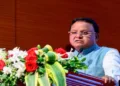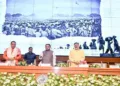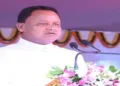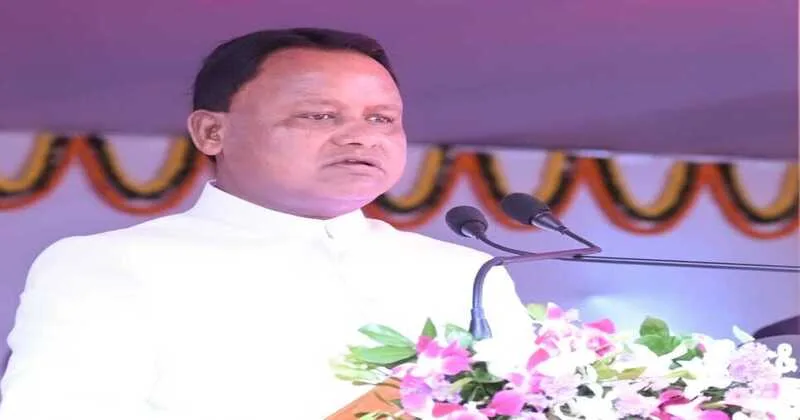
Bhubaneswar: Odisha joined the nation in celebrating the 80th Independence Day with patriotic fervour. The state-level ceremony was held at Mahatma Gandhi Marg in Bhubaneswar, where Chief Minister Mohan Charan Majhi hoisted the Tricolour and addressed the people. In his address, Majhi outlined an ambitious roadmap for building a prosperous and developed Odisha, highlighting key initiatives in education, healthcare, employment, agriculture, women’s empowerment, infrastructure, social security and inclusive growth.
Addressing the state from Mahatma Gandhi Marg in Bhubaneswar, Majhi said the next decade would be the “decade of Odisha” and called upon people to work collectively towards building a prosperous Odisha by 2036 and a developed Odisha and developed India by 2047.
The Chief Minister began his address by paying tribute to the freedom fighters who sacrificed their lives for India’s independence. He recalled the contribution of leaders and revolutionaries across the freedom movement and highlighted Odisha’s own history of resistance, including the Paika Rebellion of 1817, the tribal uprisings and the Prajamandal movement.
ମାନ୍ୟବର ମୁଖ୍ୟମନ୍ତ୍ରୀ ଶ୍ରୀ @MohanMOdisha ଭୁବନେଶ୍ୱରଠାରେ ଆୟୋଜିତ ୮୦ତମ ରାଜ୍ୟସ୍ତରୀୟ ସ୍ୱାଧୀନତା ଦିବସ – ୨୦୨୬ ପାଳନ ଅବସରରେ ଯୋଗଦେଇ ଦେଶର ସ୍ବାଧୀନତା, ଅଖଣ୍ଡତା ପାଇଁ ବଳିଦାନ ଦେଇଥିବା ମହାନ ସଂଗ୍ରାମୀମାନଙ୍କୁ ଶ୍ରଦ୍ଧାଞ୍ଜଳି ଅର୍ପଣ କରିଛନ୍ତି ।
ଏହି ଅବସରରେ ମାନ୍ୟବର ମୁଖ୍ୟମନ୍ତ୍ରୀଙ୍କ ଘୋଷଣା:-
✅ପୂର୍ବରୁ ବିଦ୍ୟାଳୟ… pic.twitter.com/4xpYax1yJd
— CMO Odisha (@CMO_Odisha) August 15, 2026
Majhi said India’s freedom struggle was not merely a political battle against British rule but also the first major step towards nation-building. He paid homage to prominent national and Odisha-based freedom fighters and said their sacrifices would remain an enduring source of inspiration.
Focus on a confident and self-reliant India
Reflecting on India’s journey over eight decades, Majhi said the country had emerged as a major global economy and described the present-day India as one marked by confidence, self-reliance and self-respect.
He credited Prime Minister Narendra Modi’s leadership since 2014 with accelerating the country’s development and cited initiatives in financial inclusion, welfare, healthcare, defence and technology as examples of the transformation. He also referred to India’s growing defence capabilities and technological achievements.
End of red terror paves way for accelerated development in Odisha
Over the past twelve years under the leadership of Prime Minister Narendra Modi, the country has achieved numerous milestones. One of the most significant accomplishments, however, has been the elimination of the “Red Terror.” Twelve years ago, nearly one-fourth of the districts in the country were affected by Maoist violence. However, under the able guidance of Prime Minister Narendra Modi and the effective leadership of Union Home Minister Amit Shah, the menace of Red Terror has now become a part of history.
୮୦ତମ ସ୍ୱାଧୀନତା ଦିବସର ଐତିହାସିକ ଅବସରରେ ଭୁବନେଶ୍ୱରର ମହାତ୍ମା ଗାନ୍ଧୀ ମାର୍ଗଠାରେ ଜାତୀୟ ପତାକା ଉତ୍ତୋଳନ କରି ରାଜ୍ୟବାସୀଙ୍କୁ ସମ୍ବୋଧିତ କରିବାସହ ଦେଶମାତୃକାର ସ୍ୱାଧୀନତା ପାଇଁ ସର୍ବସ୍ୱ ଅର୍ପଣ କରିଥିବା ଅଗଣିତ ସଂଗ୍ରାମୀ ଓ ବୀର ସନ୍ତାନଙ୍କ ଅସୀମ ତ୍ୟାଗ, ଅତୁଳନୀୟ ଶୌର୍ଯ୍ୟ ଓ ବଳିଦାନ ପ୍ରତି ମୋର କୋଟି କୋଟି ପ୍ରଣାମ ଓ ଗଭୀର… pic.twitter.com/5LXo6oVoCW
— Mohan Charan Majhi (@MohanMOdisha) August 15, 2026
Odisha has been one of the major beneficiaries of these efforts, as nearly half of the state’s territory was once affected by Red Terror. Following its end on March 31 this year, development activities that had remained stalled in these districts have now gained significant momentum.
Education gets major push
Education emerged as one of the key themes of the Chief Minister’s address. Majhi said the state government had made education from kindergarten to postgraduate level completely free in government and aided institutions, describing the measure as a major step towards reducing the financial burden on families.
He announced that free textbooks would now also be provided to students of Classes IX and X. Until now, free textbooks had been provided up to Class VIII, he said.
୮୦ତମ ସ୍ୱାଧୀନତା ଦିବସ ଅବସରରେ ଆଜି ଭୁବନେଶ୍ୱରର ଐତିହାସିକ ମହାତ୍ମା ଗାନ୍ଧୀ ମାର୍ଗଠାରେ ଆୟୋଜିତ ରାଜ୍ୟସ୍ତରୀୟ ପରେଡରେ ଆମର ପୋଲିସ ବାହିନୀ, ସୁରକ୍ଷା ବଳ, NCC ତଥା ଛାତ୍ରଛାତ୍ରୀମାନଙ୍କ ପ୍ରଭାବଶାଳୀ ଓ ମନୋରମ ପରେଡ୍ ପ୍ରଦର୍ଶନ ଅତ୍ୟନ୍ତ ଆକର୍ଷଣୀୟ ଓ ଉଚ୍ଚକୋଟୀର ଥିଲା। ସେମାନଙ୍କ ଶୃଙ୍ଖଳା, ନିଷ୍ଠା, ଶୌର୍ଯ୍ୟ ଏବଂ ତାଳମେଳ ଆମ… pic.twitter.com/e45RwbvFqe
— Mohan Charan Majhi (@MohanMOdisha) August 15, 2026
The government is also planning to establish 2,200 “Godabarish Mishra Adarsha Primary Schools” in the first phase. Majhi said around 26,000 teachers had been recruited during the past two years, while the process for recruiting another 45,000 teachers had begun.
The state has also introduced midday meals for students of Classes IX and X, he said. In higher education, the government has decided to establish 18 new government colleges in peripheral districts and four new universities.
The Chief Minister also highlighted reservation measures for Scheduled Caste and Scheduled Tribe students in general, medical and technical education, along with provisions for socially and educationally backward students.
Healthcare coverage expanded
On healthcare, Majhi said the combined implementation of the Ayushman Bharat–Pradhan Mantri Jan Arogya Yojana and the state’s Gopabandhu Jana Arogya Yojana had expanded access to private healthcare for around 3.70 crore people, or nearly 80 per cent of Odisha’s population.
He said medical colleges had been established at Jajpur, Talcher and Kandhamal and that steps were being taken to establish four more modern medical colleges and seven nursing colleges. The government also plans to open three new Ayurvedic and two homoeopathic medical colleges.
The Chief Minister said the government was strengthening healthcare infrastructure from primary health centres to the district level, with the objective of making quality medical services more accessible to people across the state.
Farmer welfare remains a priority
Calling farmers the “annadatas” of the state, Majhi said increasing agricultural incomes was essential for strengthening Odisha’s economy. He highlighted paddy procurement at ₹3,100 per quintal, assistance of ₹10,000 annually under PM-KISAN and CM-KISAN, and schemes for agriculture, livestock and fisheries as measures aimed at improving the income of farming households.
Addressing concerns over farmer registration for paddy procurement, Majhi clarified that AgriStack registration and paddy procurement registration through the P-PAS system were separate. He assured farmers that P-PAS registration would continue as in previous years and that paddy procurement would be undertaken on that basis.
The Chief Minister also said the state had provided an initial assistance of ₹136 crore to people and farmers affected by the recent floods, adding that further assistance would be provided after the final damage assessment.
Women’s empowerment and social security
Majhi said women constituted half of Odisha’s population and that their economic, social and political empowerment was essential for the state’s development.
He highlighted the Subhadra scheme and the Lakhpati Didi programme, stating that more than one crore women had benefited under Subhadra and over 26 lakh women had become Lakhpati Didis. The government, he said, was also implementing schemes aimed at improving women’s social and economic status.
For vulnerable sections, the Chief Minister said the government had expanded social-security coverage and was working to include more eligible beneficiaries under the Madhubabu Pension Yojana. He also highlighted the provision of free foodgrains and the Mukhyamantri Annapurna Yojana for economically weaker sections.
‘Second industrial revolution’ underway in Odisha
Majhi said Odisha was witnessing what he described as a “second industrial revolution,” with investment increasingly spreading beyond traditional mining and mineral-based industries. He said that the state was focusing on sectors such as textiles, pharmaceuticals, food processing, semiconductors, artificial intelligence, tourism and information technology.
According to the Chief Minister, investment proposals worth ₹21 lakh crore had been received during the past two years, while 453 industrial projects involving ₹10 lakh crore had been approved. Of these, projects worth around ₹3.5 lakh crore involving 152 projects had already reached the inauguration or foundation-stone stage, he said.
These projects, according to Majhi, were expected to generate employment opportunities for around 2.5 lakh young people. He said industrial development across districts would help address regional disparities and create opportunities within Odisha, potentially reducing migration of skilled workers to other states.
The government, he added, was building an investment ecosystem aimed at attracting major industries and strengthening investor confidence in Odisha.
Infrastructure expansion
The Chief Minister placed strong emphasis on infrastructure, saying roads, bridges, ports, airports and connectivity were crucial to Odisha’s long-term economic growth.
He said Odisha was spending around 6.5 per cent of its Gross State Domestic Product on infrastructure and highlighted major railway, highway, airport and economic-corridor projects being undertaken with the support of the Union Government.
He also announced plans for three major road infrastructure projects connecting different parts of Odisha, with a proposed investment of ₹31,000 crore.
20 lakh jobs in five years
Employment generation and skill development formed another major component of Majhi’s address. Telling young people that they were the “future” of the country, the Chief Minister said the government recognised employment as one of the biggest challenges facing the youth.
He announced that at least three lakh attractive employment opportunities were expected to be created in the next one to two years, while the state was targeting 20 lakh jobs over the next five years. To prepare young people for these opportunities, the government is focusing on industry-oriented skill development and advanced training.
Majhi said Odisha’s World Skill Centre was being operated in partnership with Singapore and that three more such centres were planned. The state’s skill-development model, he said, had emerged as one of the country’s best practices.
He also highlighted the modernisation of ITIs through the Utkarsh ITI programme, the establishment of Centres of Excellence in 25 ITIs and AI laboratories in 13 ITIs. Odisha emerged as the national skills champion at IndiaSkills 2025-26, with its youth winning 57 medals across categories, he said.
Governance and anti-corruption
Majhi said development schemes could succeed only when backed by effective governance. He identified grievance redressal and elimination of corruption as two major pillars of good governance.
He said the state government had conducted 18 grievance-hearing sessions, heard around 15,000 complaints and resolved 96 per cent of them. He also reiterated the government’s zero-tolerance policy towards corruption.
The Chief Minister announced that the upper age limit for applicants seeking government jobs had been increased from 32 to 42 years. He further announced the removal of the existing limit of six attempts for the Odisha Civil Services examination, allowing candidates to appear until they reach the prescribed upper age limit.
He directed authorities to ensure a transparent and corruption-free examination system and warned that irregularities would invite stringent action.
Tribal welfare and inclusive development
Majhi said Odisha’s tribal population constituted nearly one-fourth of the state’s population and stressed that inclusive development could not be achieved without the advancement of tribal communities.
He highlighted initiatives including the Pradhan Mantri Dharti Aaba Janjatiya Gram Utkarsh Abhiyan and PM-JANMAN to improve infrastructure and basic amenities in tribal areas. The Shaheed Madho Singh Hasta Kharcha Yojana, he said, was aimed at helping prevent dropouts, while skill development and support for micro-enterprises would strengthen economic opportunities for tribal youth.
Cultural identity and Jagannath heritage
Towards the conclusion of his address, Majhi spoke about Odisha’s cultural identity and the preservation of Odia heritage. Referring to the Prime Minister’s call for “Vikas Bhi, Virasat Bhi,” he said the state government had taken steps to promote Odia language and preserve the heritage of major monasteries and temples.
He said the government had begun work to develop Puri as a world-class spiritual and tourism destination, while stressing the importance of the Jagannath tradition to Odisha’s cultural identity. Calling upon people to uphold the spirit of patriotism symbolised by “Vande Mataram” and the Tricolour, Majhi urged every Odia to contribute to building a prosperous, empowered, inclusive and developed state.
“The next ten years will be the decade of Odisha,” the Chief Minister said, setting out the government’s long-term vision of a prosperous Odisha by 2036 and a developed Odisha and developed India by 2047.