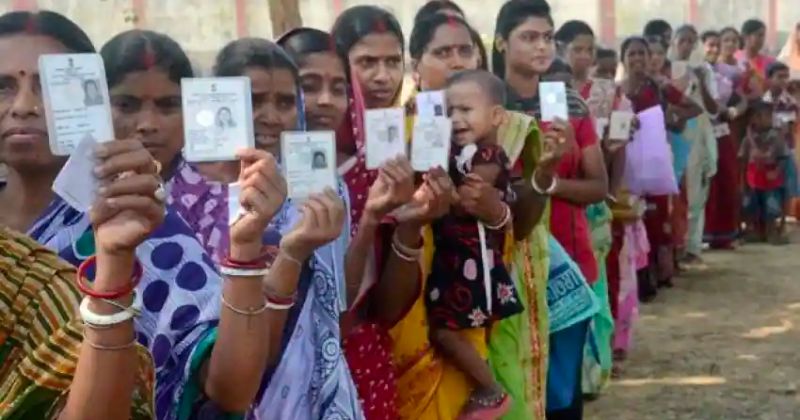
The Election Commission of India (ECI) is preparing to begin the Special Intensive Revision (SIR) of electoral rolls in West Bengal starting November 1, following the successful completion of the exercise in Bihar.
According to sources quoted in media, all District Election Officers (DEOs) have been instructed to remain alert, as work on the SIR process could begin “at any moment.” The Chief Electoral Officer (CEO) of West Bengal has communicated these directions to all District Magistrates, asking them to start groundwork and ensure the completion of all pending electoral tasks on a priority basis.
“The CEO’s office will remain open 24×7, and all personnel engaged in SIR-related activities must be present at their posts,” a senior official said, emphasising the urgency of preparations.
Each District Election Officer (DEO) and Electoral Registration Officer (ERO) has been asked to set up help desks in their respective offices to address SIR-related grievances and queries from the public.
The CEO’s office has also directed that multi-party meetings be organised at both the state and district levels a day after the official SIR announcement. These meetings will involve representatives from all political parties to ensure transparency in the voter list revision process.
“All discussions and resolutions from these meetings will be recorded and forwarded to the Election Commission,” an official said, adding that ECI sources have confirmed the communication of these directives to all District Magistrates in the state.
Sources quoted in media further revealed that the mapping of voter lists between 2002 and 2025 has been completed across most districts in West Bengal. The process was delayed in Darjeeling and Jalpaiguri due to flooding but is expected to be finalised within the next few days.
The mapping exercise is a key preparatory step before the SIR begins, ensuring accuracy in voter records and helping identify duplicate or invalid entries.
The Special Intensive Revision model implemented in Bihar earlier this year serves as the blueprint for the Bengal exercise. In Bihar, the voter verification and cleansing drive led to the deletion of around 69 lakh names from the rolls, mostly due to deaths, illegal immigrants, and duplicate voter IDs.
After the revision, Bihar’s total voter count stood at 7.43 crore. The ECI defended the exercise as an effort to “purify and standardise” electoral rolls nationwide ahead of future elections.
“The Election Commission has already decided to conduct a pan-India SIR across all states and Union Territories. It is a work in progress,” Chief Election Commissioner Gyanesh Kumar had said earlier this month.
The SIR exercise in Bihar had triggered sharp political reactions, with opposition parties alleging attempts to disenfranchise voters ahead of assembly polls. The Election Commission, however, firmly rejected these claims, asserting that the goal was to enhance transparency and ensure credible electoral rolls.
The Bengal exercise will follow a similar framework, with a focus on verifying identity, residence, and eligibility of voters ahead of upcoming elections. The process is expected to set a nationwide standard for future revisions of the electoral database.
With the Special Intensive Revision exercise in Bihar setting the tone, West Bengal is next in line for a detailed voter list update beginning November 1. The Election Commission’s objective, officials say, is clear, to ensure that India’s voter database remains authentic, transparent, and free from irregularities ahead of the next electoral cycle.