According to an investigation report by Bhaskar, the probe began after information surfaced about a suspected counterfeit currency network operating between Nepal, Bihar, Uttar Pradesh and Assam.
The investigation team traced an alleged network from Nepal’s Parsa district to Guwahati. A woman identified as Maya Paudel was named as an intermediary in transactions between Bihar and Uttar Pradesh.
The investigation claims that increased enforcement in Nepal had pushed parts of the suspected operation towards Guwahati.
The team subsequently contacted Ratul, who allegedly claimed to operate a counterfeit currency network from Guwahati. An undercover reporter posed as a potential buyer and discussed a purported deal worth Rs 80 crore ahead of the 2027 Uttar Pradesh Assembly elections.
Ratul offers Rs 3 Crore for Rs 1 Crore
During the conversation, Ratul allegedly claimed that counterfeit currency worth Rs 3 crore could be supplied for Rs 1 crore.
He also claimed that preparations for the 2027 UP election had already begun and that his network could arrange deliveries across different Assembly constituencies.
Ratul claimed that managers would be appointed in different districts to receive consignments, while the buyer’s people would handle further distribution.
He further claimed that his network had supplied counterfeit currency during the previous Uttar Pradesh election and alleged that around Rs 65 crore had been circulated at that time. These claims have not been independently established by the investigation material provided.
Claims of China, Pakistan and Bangladesh links
During the undercover conversation, Ratul allegedly claimed that the counterfeit notes originated from China and Pakistan and entered India through Bangladesh.
He reportedly said a “currency chest” was operating in Guwahati from where consignments could be moved to Uttar Pradesh and other states.
The alleged network was also said to have contacts in Uttar Pradesh, Bihar, Delhi, Rajasthan and Haryana.
However, these claims were made by the person approached during the undercover operation and do not by themselves establish the origin or movement of counterfeit currency.
Reporter travels to Guwahati
The investigation team said its reporter later travelled to Guwahati while posing as a potential buyer.
After being contacted, Ratul connected the reporter with a man identified as Rajiv. The latter reportedly met the reporter near the Lokhra flyover and took him towards an alleged storage facility.
Rajiv claimed that a smaller bundle was being prepared from a larger consignment that had arrived from Bangladesh.
The reporter was later taken towards a hilly area and stopped outside an old two-storey building. Rajiv reportedly said outsiders were inside and did not take the reporter into the premises.
Instead, he allegedly showed the reporter a video of people packing what were claimed to be counterfeit notes.
Video shows bundles of fake currency
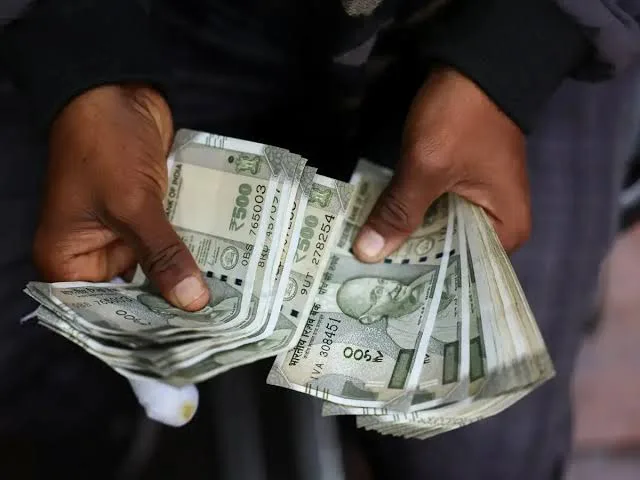
According to the investigation, the video showed several people packing bundles of notes into plastic wrappers. Bundles resembling Rs 500 notes were visible.
The investigation team said one carton appeared to contain counterfeit notes worth around ₹2 crore, although the authenticity and actual value of the material shown could not independently be established from the footage.
Rajiv allegedly claimed that the currency was being prepared for delivery to Bihar, where he said demand existed even outside election periods.
Two types of notes shown
The investigation also claims that two types of suspected counterfeit notes were shown to the reporter.
One was described as black-coated, while another was designed to resemble genuine currency. Rajiv allegedly claimed that the black-coated notes originated from China and Pakistan and could evade scanning.
He further claimed that newer notes used better-quality paper and printing and could remain usable for longer than earlier consignments.
These statements remain claims made during the undercover interaction and would require independent verification by investigating agencies.
Alleged Rs 80 crore election deal
The investigation says the undercover reporter subsequently negotiated a purported Rs 80-crore deal with Ratul.
Ratul allegedly claimed that the network had previously operated from Nepal but shifted some operations to Guwahati following increased enforcement there. He also claimed that Guwahati’s location provided access to routes leading towards Bangladesh and other parts of India.
The investigation now raises questions about the alleged movement of counterfeit currency from Guwahati to Bihar and Uttar Pradesh, the people involved in receiving consignments and the routes used to transport them.
The claims made during the undercover operation have not, by themselves, established that the Rs 80-crore transaction took place or that counterfeit currency was actually distributed during an election.