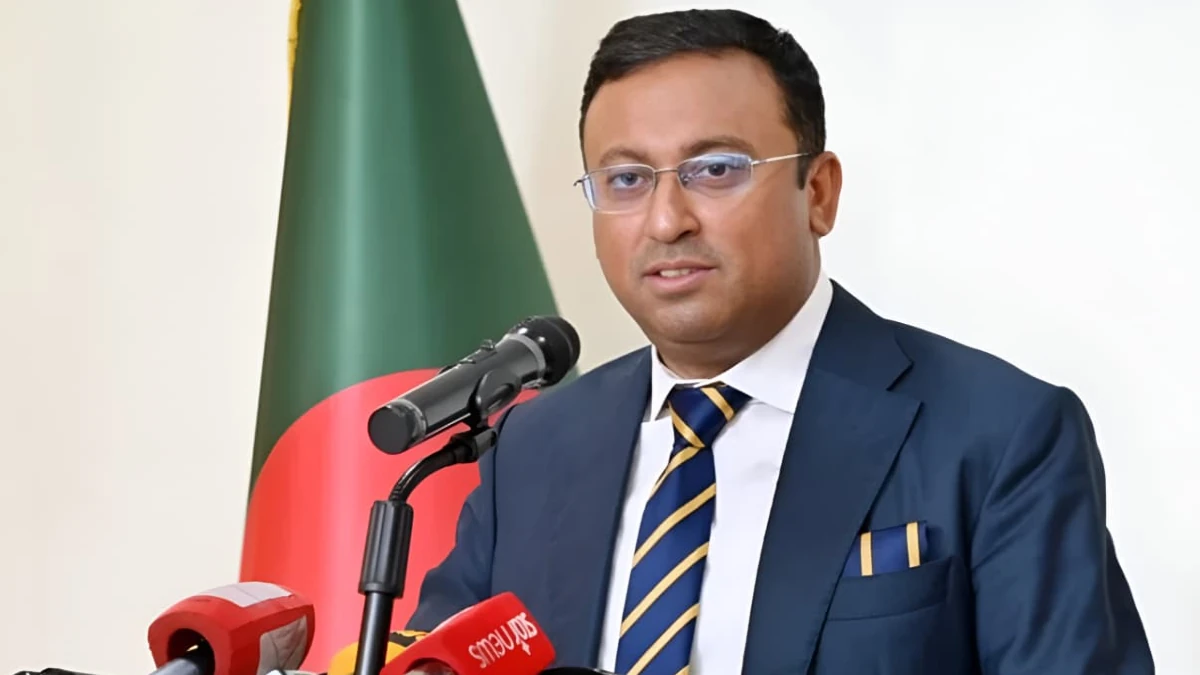
NEW DELHI: Bangladesh has expressed its desire to “reset” relations with India and develop a new phase of bilateral engagement based on mutual interests, direct dialogue and constructive cooperation. The remarks from Dhaka come as India continues to maintain an open and forward-looking approach towards its eastern neighbour, creating an opportunity for stronger India-Bangladesh relations in the months ahead.
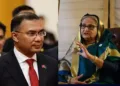
Bangladesh State Minister for Foreign Affairs Humaiun Kobir said on September 13 that Dhaka wants to move towards a new relationship with New Delhi through direct bilateral discussions. He emphasised that Bangladesh seeks a “good working bilateral relationship” with India and intends to engage New Delhi on the basis of mutual interests.
The statement assumes significance as India-Bangladesh relations enter a new phase following political changes in Dhaka. India has continued to keep the channels of diplomatic engagement open, including through an invitation to Bangladesh Prime Minister Tarique Rahman for a bilateral visit.
Tarique Rahman, who leads the Bangladesh Nationalist Party (BNP), is scheduled to travel to New York on September 21 to participate in the 81st session of the United Nations General Assembly. His visit is expected to provide opportunities for Bangladesh to engage with a wide range of international partners.
Shared geography, stronger India-Bangladesh ties
The India-Bangladesh relationship has considerable geographical, economic, cultural and people-to-people significance. India and Bangladesh share a long border and extensive links across trade, connectivity, energy, security and regional cooperation. Both countries are also important participants in regional platforms such as BIMSTEC.
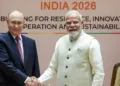
India hosted the BRICS Summit in New Delhi on September 12 and 13. Rahman did not participate in the summit, with Bangladesh maintaining that the invitation had been extended to him in his capacity as chair of BIMSTEC. India had also extended a separate bilateral invitation, with the possibility of a dedicated engagement between the two governments.
Kobir has indicated that Dhaka would prefer Prime Minister Rahman’s first visit to India to take place as a dedicated bilateral engagement rather than on the sidelines of a multilateral event. He has also said that Bangladesh remains committed to resolving outstanding issues through diplomatic channels, international law, existing agreements and border protocols.
The possibility of a bilateral visit therefore presents an important opportunity for New Delhi and Dhaka to expand practical cooperation. India’s continued emphasis on dialogue and people-oriented engagement can provide a constructive foundation for the relationship.
The new phase also comes after the tenure of former Bangladesh Prime Minister Sheikh Hasina, who left Bangladesh for India in August 2024. The issue remains part of the wider diplomatic context between the two countries, but the latest statements from Dhaka indicate an interest in establishing a forward-looking framework for India-Bangladesh relations.
For New Delhi, stronger engagement with Dhaka remains important for regional connectivity, economic cooperation and stability in the neighbourhood. A renewed bilateral dialogue between India and Bangladesh could therefore open the way for greater cooperation based on mutual respect, shared interests and the longstanding ties between the peoples of the two countries.