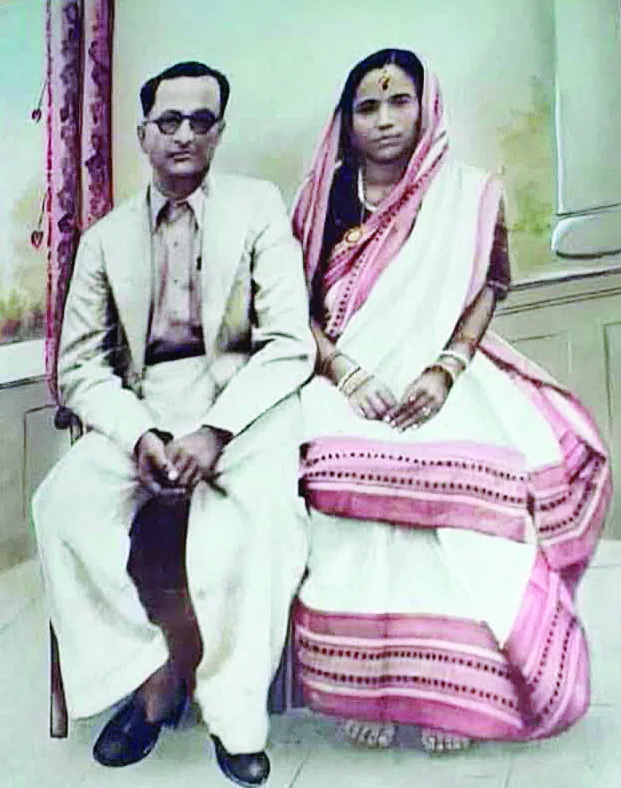
My grandfather, Atuleshwar Mukhopadhyay, left East Pakistan for India with his family in December 1950. He passed away many years before I was born. I never had the fortune of knowing him. I heard the accounts of those times from my eldest paternal uncle, Kamal Baran Mukhopadhyay, who was about fifteen or sixteen at the time of our exodus. Our ancestral home was in South Kashipur, in the Barisal district of present-day Bangladesh. We were hereditary talukdars (landholders) there, generation after generation. My great-grandfather was Basanta Kumar Mukhopadhyay. It was a modest estate, but it bore fruit as if the very soil yielded gold.
Flames of Barisal Massacre
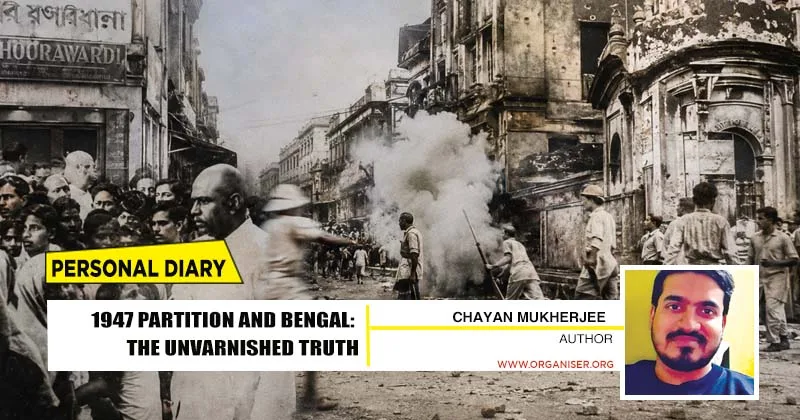
In February 1950, the Barisal massacre began and in truth, this carnage was far more extensive and brutal than the Noakhali genocide that preceded it. Its flames soon began to burn our household. In a single day of that pogrom, twenty-two thousand Hindus were slaughtered; on moving trains across the Meghna River, Hindus were singled out and systematically butchered. Within a month, fifty lakh refugees had streamed into West Bengal, plunging its economy into utter disarray. The Central Government treated Bengal with callous, stepmotherly neglect compared to the vast sums allocated for refugee rehabilitation in Punjab, Bengal received virtually nothing.
Let me return to our family’s story. Ours was an enormous, sprawling household. We possessed a licensed firearm. One day, quite suddenly, it vanished. We lodged a complaint with the local Police Station Officer (Daroga), but he paid it little heed. Just two days later, the very same gun was seen being flaunted in public by a Muslim man from our neighbourhood. We reported the matter again, yet the officer remained utterly indifferent. On the contrary, he retorted that this was now a Muslim country, and such occurrences were only to be expected. Hindus, he declared, would henceforth have to remain subservient to Muslims.
Saving Women of Our Family
The same thoroughfare along which our women had once travelled unmolested to attend schools and colleges now became a gauntlet of lewd jeers and catcalls. The women of our household lived in perpetual dread. News trickled in of beef being desecratingly dumped in temples across the neighbouring localities. Whenever the women went down to the pond to bathe, Muslim youths would accost them with obscene taunts. Soon after, my grandfather came to know from our old faithful Muslim retainer that an assault was being plotted against our very home. He was by no means oblivious to the turmoil sweeping the entire country. He wasted no further time and resolved to depart for India; he was absolutely unwilling to stake the honour and safety of his daughters and womenfolk. Barely three days after he set foot in India, our ancestral home was ransacked and pillaged and standing in the foremost ranks of the looters was that very same old Muslim servant who had once warned us. Today, I hear these events glibly dismissed as a “class struggle.” If that is indeed the lens through which we must view them, two questions inevitably arise: Firstly, why was the estate of a Muslim zamindar never targeted or attacked? Secondly, does the plundering of women’s dignity and honour fall within the ambit of this so-called class struggle? For too long, we have been fed a mendacious, sanitised version of history. It is time to shake the dust off those musty pages and lay the unvarnished truth before the public. As a member of the third generation of a displaced Bengali Hindu refugee family, this remains my earnest hope and my solemn prayer.