BENGALURU: The aftermath of the Davanagere South by-election has plunged the Karnataka unit of the Indian National Congress into a fresh phase of internal turmoil, with dissidence surfacing openly and triggering a chain of political developments, including resignations and possible disciplinary action against senior leaders.
The crisis has been triggered by an internal report submitted by AICC in-charge secretary Abhishek Dutt, which has now reached the party high command. The report reportedly flags serious lapses during the bypoll campaign, highlighting factional infighting and lack of coordination among leaders as key concerns that may have affected the party’s electoral prospects.
At the centre of the controversy is Housing Minister Zameer Ahmed Khan, who is facing mounting criticism within the party, particularly from leaders of the minority community. Several MLAs are said to have lodged complaints against him with the high command, accusing him of non-cooperation and unilateral functioning during the election.
Sources indicate that the report has warned the high command that internal dissent and ego clashes among leaders could prove detrimental to the party’s future electoral performance if not addressed immediately. The developments have set off alarm bells in the party’s central leadership, which is now believed to be considering disciplinary measures.
Resignations signal a deepening crisis
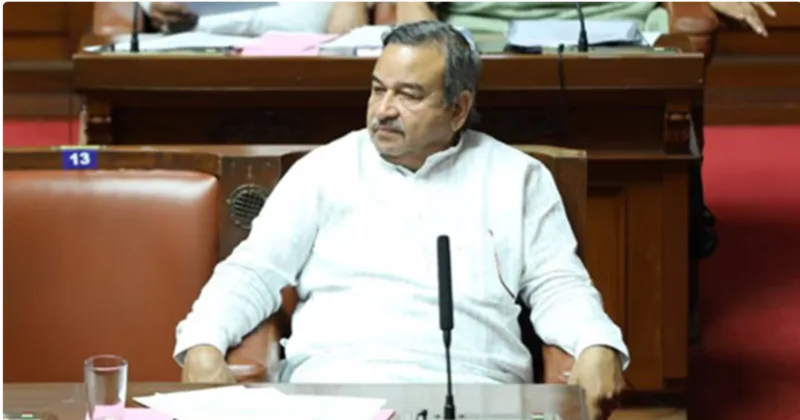
Even before any formal action could be initiated, KPCC Minority Wing president and MLC Abdul Jabbar tendered his resignation, widely seen as a pre-emptive move. Jabbar confirmed that he had stepped down from the post earlier this month and said he would abide by any decision made by the party high command.
“I resigned on April 3. I will respect whatever decision the party takes. I don’t know what mistake I have committed,” he said, while also expressing disappointment over not being consulted during the bypoll campaign.
Adding to the pressure, the Chief Minister’s political secretary and MLC Nazeer Ahmed has reportedly been directed by the high command to resign. Although official confirmation is pending, sources suggest this move is part of a broader strategy to contain the fallout and send a strong message within the party ranks.
Jabbar’s remarks expose internal fault lines
In a candid outburst, Abdul Jabbar openly questioned the party’s functioning and hinted at deeper factional divides. He alleged that he was sidelined during the by-election campaign and that key decisions were taken without consulting him.
“No leader discussed the bypoll with me. They went ahead without involving me, yet I wished for the party’s victory,” he said. He also raised concerns over ticket distribution, questioning the rationale behind giving multiple tickets within the same family while ignoring other deserving communities.
“Is it wrong to question such decisions? I had suggested giving opportunities to other communities, including Kuruba leaders. But raising such concerns seems to have been taken negatively,” he added.
Jabbar further denied any ambition for a ministerial berth, stating that his only demand was fair representation for minorities in the Cabinet. “I have never asked for a minister’s post. We only demanded representation for minorities,” he clarified.
Zameer under scanner
The focus of the high command’s attention now appears to be firmly on Zameer Ahmed Khan. Party insiders suggest that his role during the bypoll is under close scrutiny and that he could face action in the next Cabinet reshuffle.
There is growing speculation within Congress circles that Zameer may be dropped from the ministry as part of corrective measures to address the dissent. The demand for action against him has gained momentum, particularly among minority leaders who feel sidelined.
Kharge maintains strategic silence
Amid the escalating crisis, AICC president Mallikarjun Kharge has maintained a cautious distance. Responding to media queries, he stated that he was unaware of the developments, a response that is being interpreted as a deliberate attempt to avoid escalating tensions.
With resignations, internal accusations, and possible disciplinary action dominating the political landscape, the Congress in Karnataka is facing one of its most challenging phases since coming to power. The Davanagere bypoll, instead of being a routine electoral exercise, has exposed deep-rooted factionalism within the party.